
 Save
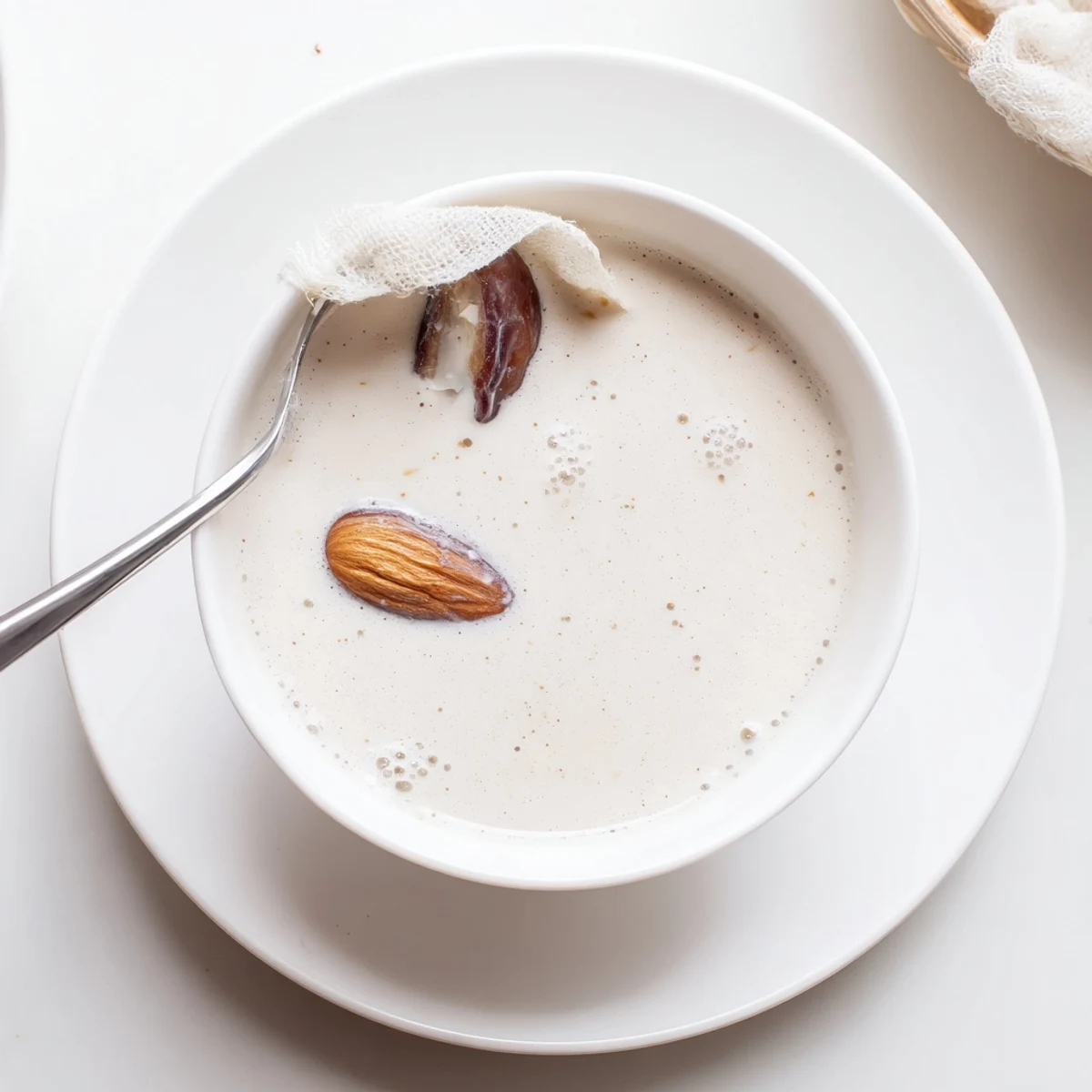
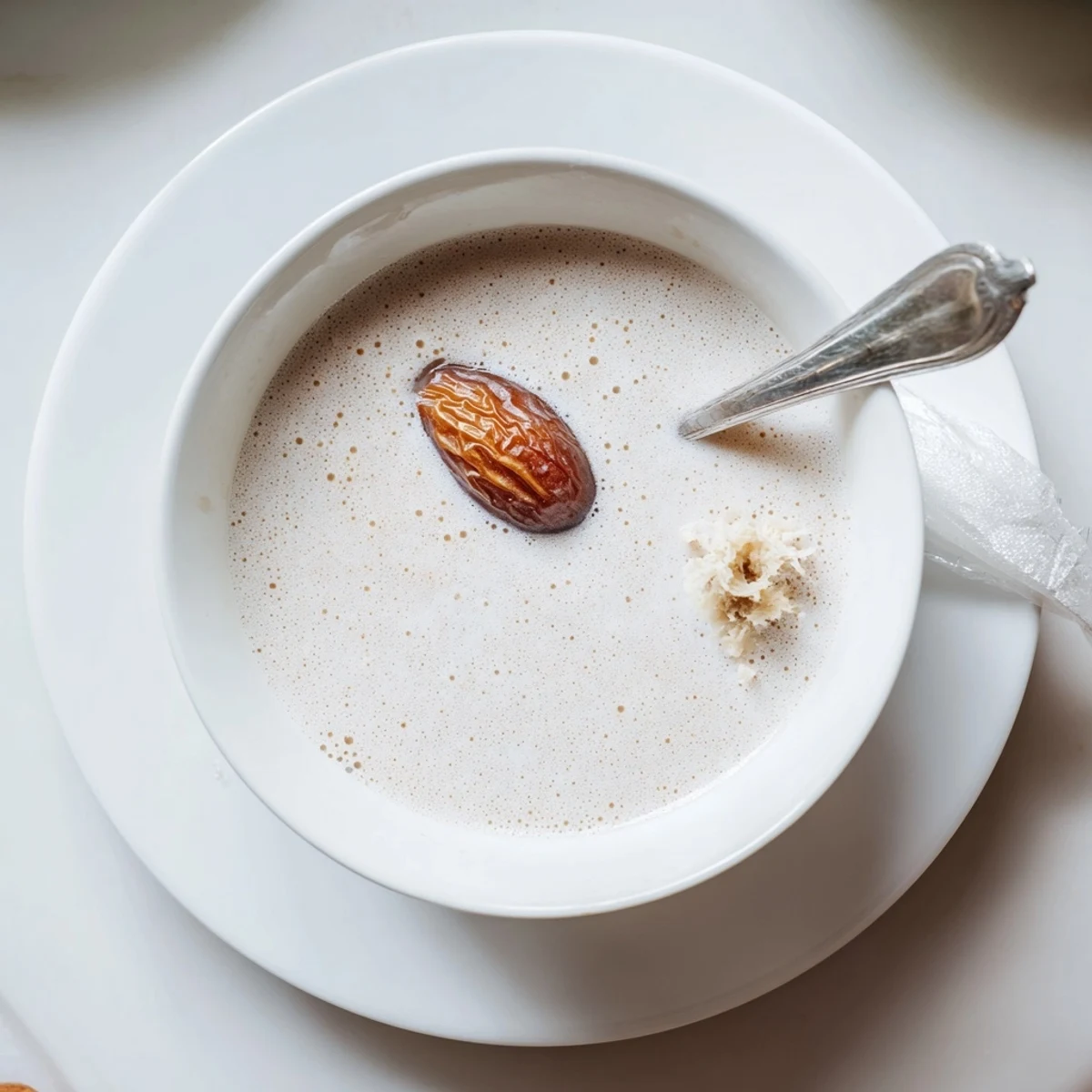
Save Almond milk is made by soaking raw almonds for at least 8 hours, then draining and blending with about 4 cups of fresh filtered water until very smooth. Strain through a nut milk bag or fine cloth and squeeze to extract as much liquid as possible. Add dates or vanilla for sweetness, refrigerate and use within 3–4 days; save the pulp for baking or smoothies.
My blender screamed like a small aircraft engine at six in the morning, and my roommate stumbled into the kitchen asking if we were under attack. That was my first attempt at homemade almond milk, and honestly, the noise was worth every second of the silken, ivory liquid that poured out. Store bought almond milk has never tasted the same since, mostly because it cannot compete with the freshness you get from making it yourself. Ten minutes of active work is all it takes to produce something genuinely better than anything in a carton.
I started making this every Sunday as a small ritual, filling an old glass juice bottle and labeling it with a sticky note for my partner, who used to be a committed dairy drinker. Now she pours it over granola without hesitation and asks me every Friday if the almond milk is ready for the weekend.
Ingredients
- Raw almonds, 1 cup (150 g): Use truly raw almonds, not roasted or salted, because the soaking process depends on them being unprocessed and pliable.
- Filtered water, 4 cups (1 liter), plus more for soaking: Good water matters here since it is the base of everything and tap water can introduce off flavors.
- 1 to 2 dates, pitted, optional: These bring a gentle, caramel like sweetness that feels luxurious without being heavy.
- 1 tsp vanilla extract, optional: A splash of good vanilla makes the milk taste like something you would pay eight dollars for at a boutique cafe.
- Pinch of sea salt, optional: Just a tiny amount amplifies all the other flavors in a way your tongue notices but your brain cannot quite place.
Instructions
- Soak the almonds:
- Cover the almonds generously with water in a bowl and leave them alone for at least eight hours, or overnight if you prefer. You will know they are ready when they look plump and slightly swollen between your fingers.
- Drain and rinse:
- Dump the soaking water and rinse the almonds under cold running water until it runs completely clear. The soaking water contains tannins and compounds that can make the milk taste bitter, so do not skip this step.
- Blend everything:
- Toss the rinsed almonds into your blender with four cups of fresh filtered water, plus the dates, vanilla, and salt if you are using them. Crank the blender to high and let it run for one to two minutes until the mixture looks completely smooth and frothy on top.
- Strain the milk:
- Pour the blended mixture through a nut milk bag or a double layer of cheesecloth into a large bowl, gathering the corners and squeezing firmly to extract every last drop. Your hands will get cold and slightly slippery, but keep pressing because that final squeeze holds the thickest, richest milk.
- Store properly:
- Transfer the strained milk into a clean glass bottle or jar with a tight lid and keep it in the refrigerator. Shake it well before each use because separation is completely natural and actually a sign you made it right.
 Save
Save There is something grounding about the whole process, standing at the sink with wet hands and a cloth full of almond meal, feeling like you have figured out a small, honest secret about food. It became my quiet contribution to the household, a humble bottle of white milk that somehow carried more care than anything I could buy.
Choosing the Right Almonds
Not all raw almonds behave the same way, and I learned this after buying a bag from a discount bin that produced grayish, flat tasting milk. Seek out almonds that are plump, uniform in color, and preferably from a source with good turnover so they have not been sitting around losing their oils. Organic almonds from California or Spain have consistently given me the creamiest results with the most delicate flavor.
Adjusting Thickness and Sweetness
The ratio of one cup almonds to four cups water is a reliable starting point, but you can nudge it in either direction depending on how you plan to use the milk. Four and a half cups of water makes a lighter milk perfect for drinking straight or pouring over cereal, while three and a half cups creates something rich enough to stand up in coffee. Taste the milk after straining and adjust sweetness gradually, because a little date or maple syrup goes further than you expect.
Getting the Most From Your Pulp
That pile of ground almonds left in the strainer is genuinely useful and tossing it feels wasteful once you see its potential. I spread it on a baking sheet, dry it at low heat, and pulse it in the blender to make almond flour for pancakes and quick breads.
- Mix wet pulp into overnight oats for added texture and subtle nuttiness.
- Freeze pulp in small portions so you always have some ready for baking.
- Remember that leftover pulp keeps in the fridge for about three days before it starts to turn.
 Save
Save Homemade almond milk is one of those small kitchen acts that quietly reshapes how you think about everyday food. Once you start making it, you will wonder why you ever settled for anything less.
Common Recipe Questions
- → How long should I soak the almonds?
-
Soak raw almonds for at least 8 hours or overnight to soften them. Longer soaking (up to 12 hours) yields a smoother blend and helps reduce bitterness.
- → How can I make the milk creamier?
-
Use less water when blending (try 3 cups per cup of almonds) or add a small handful more almonds. Blending longer at high speed also helps achieve a creamier texture.
- → What’s the best way to strain for a smooth texture?
-
Strain through a nut milk bag, tightly woven cheesecloth, or a fine mesh sieve. Squeeze or press firmly to extract as much liquid as possible for a smooth, less gritty milk.
- → How should I store the milk and how long does it last?
-
Transfer to a sealed bottle or jar and refrigerate. Fresh almond milk keeps 3–4 days; always shake before use, as separation is natural.
- → What can I do with the leftover almond pulp?
-
Dry or use the pulp in baking, energy balls, muffins, smoothies, or oatmeal. It adds fiber and a mild almond flavor to many preparations.
- → How can I sweeten or flavor the milk?
-
Add pitted dates while blending for natural sweetness, or stir in a teaspoon of vanilla extract, a touch of maple syrup, or a pinch of sea salt to enhance flavor.