
 Save
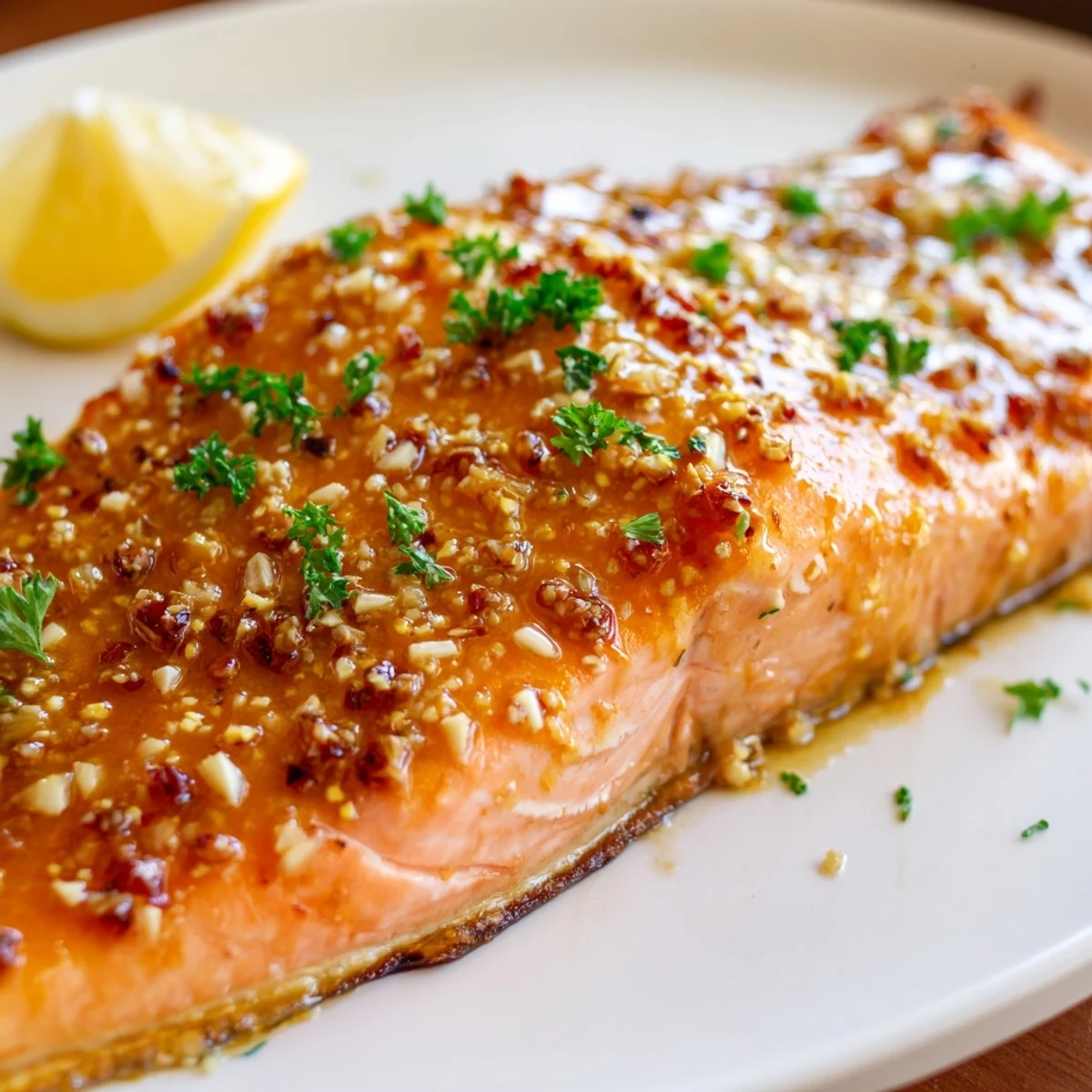
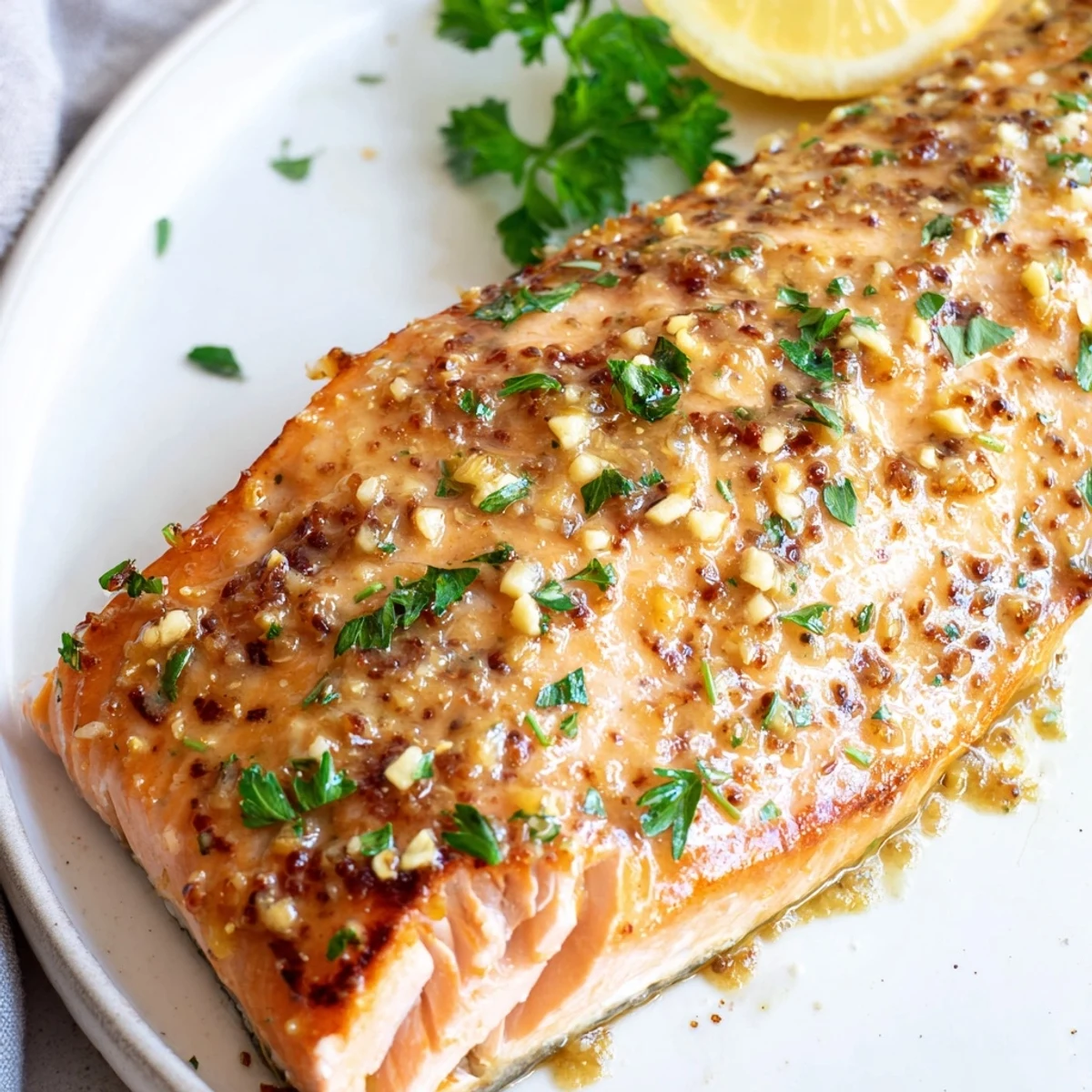
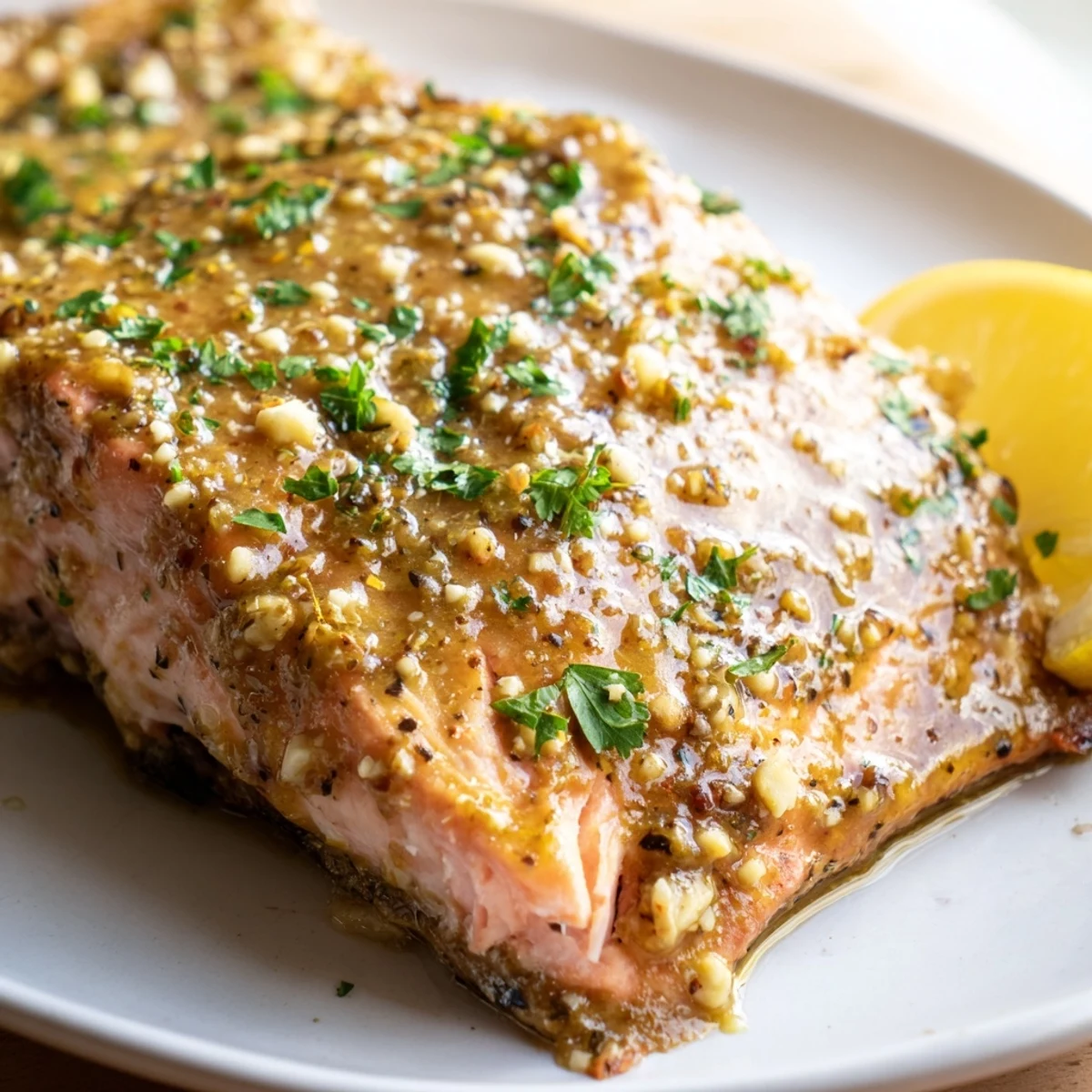
Save This baked honey mustard salmon delivers perfectly flaky, tender fish with a caramelized sweet and tangy glaze. Ready in just 25 minutes, it's an ideal weeknight dinner that feels elegant yet requires minimal effort.
The glaze combines Dijon mustard, honey, olive oil, and fresh lemon juice, creating a balanced coating that bakes into a beautiful golden crust. Serve alongside steamed vegetables, rice, or a crisp salad for a complete meal.
The smell of honey caramelizing against mustard on a hot oven rack is one of those scents that pulls everyone into the kitchen before the timer even beeps. My neighbor once knocked on my door holding a plate of cookies, took one whiff from the hallway, and forgot why she came over. Salmon has a reputation for being tricky, but this glaze does most of the work for you. It is the kind of recipe that makes you look like you tried much harder than you actually did.
I started making this on Tuesdays when the weekend cooking energy had completely run out and takeout felt like giving up. My roommate used to sit on the kitchen counter and watch me whisk the glaze together, stealing tastes with her finger before I could brush it onto the fish. Something about the routine of it made an ordinary weeknight feel slightly more intentional.
Ingredients
- 4 salmon fillets, about 150 g each: Skin on holds together better during baking but skinless works fine if that is what you have.
- 3 tbsp Dijon mustard: The smooth kind gives you a cleaner glaze while whole grain adds texture but breaks the sauce up a bit.
- 2 tbsp honey: This is what caramelizes in the oven and creates that gorgeous sticky crust on top.
- 1 tbsp olive oil: Helps the glaze spread evenly and keeps the fish from drying out at the edges.
- 1 tbsp freshly squeezed lemon juice: Bottled juice works but fresh brightens everything in a way you can actually taste.
- 2 cloves garlic, minced: Crush it and let it sit for a minute before mincing to release more flavor.
- Half tsp salt: Salmon needs salt to bring out its natural richness.
- Quarter tsp fresh ground black pepper: Freshly cracked makes a difference here since the ingredient list is so simple.
- 1 tbsp fresh parsley, chopped, and lemon wedges for garnish: Totally optional but the parsley adds color and the wedges are useful for anyone who wants extra brightness.
Instructions
- Get the oven hot:
- Preheat to 200 degrees Celsius, which is 400 Fahrenheit, and line a baking sheet with parchment paper so cleanup is effortless later.
- Whisk the glaze together:
- In a small bowl combine the Dijon mustard, honey, olive oil, lemon juice, minced garlic, salt, and pepper until smooth and golden.
- Arrange and glaze the salmon:
- Place the fillets on the baking sheet skin side down and brush each one generously, saving a little extra for a second coat if you are feeling indulgent.
- Bake until just right:
- Slide them into the oven for 12 to 15 minutes until the fish flakes easily with a fork and the center is just opaque, not dry.
- Rest and finish:
- Let the salmon sit for 2 minutes out of the oven, then scatter parsley over the top and serve with lemon wedges alongside.
 Save
Save There was a stretch where I made this every single week and my friend started calling it Tuesday fish night like it was an official event. It became a small anchor in weeks that otherwise blurred together.
What to Serve Alongside It
Steamed broccoli or green beans are the easiest pairing because they cook in roughly the same time on a separate rack. Rice soaks up any glaze that pools on the plate, which is honestly the best part. A simple salad with vinaigrette cuts through the richness if you want something lighter.
Making It Your Own
Maple syrup swaps in beautifully for honey if you want a deeper, more autumnal sweetness. A pinch of cayenne in the glaze adds heat that plays wonderfully against the sugar and mustard. You could also try adding a teaspoon of soy sauce for an umami kick that takes the flavor in a completely different direction.
Storage and Reheating
Leftover salmon keeps well in the fridge for up to two days but honestly it rarely lasts that long in my house. Reheat gently in a low oven around 150 degrees Celsius so the fish does not dry out and the glaze stays soft rather than hardening.
- Flake cold leftover salmon over a salad the next day for an effortless lunch.
- The glaze firms up in the fridge so bring leftovers to room temperature for the best texture.
- Never microwave it unless you enjoy the smell of fish lingering in your kitchen for hours.
 Save
Save This is the recipe that reminds me good food does not require a complicated technique or a long shopping list. Just a hot oven, a quick glaze, and the willingness to pull the fish out before you think it looks done.
Common Recipe Questions
- → What temperature should I bake salmon at?
-
Bake salmon at 200°C (400°F) for 12–15 minutes. The fish is done when it flakes easily with a fork and appears just opaque in the center.
- → Can I marinate the salmon before baking?
-
Yes, marinating the salmon in the honey mustard glaze for up to 20 minutes before baking will enhance the flavor penetration and result in a more flavorful dish.
- → Should I use skin-on or skinless salmon fillets?
-
Either works well. If using skin-on fillets, place them skin-side down on the baking sheet. The skin helps hold the fish together and can be easily removed after baking.
- → Can I substitute maple syrup for honey?
-
Yes, maple syrup is an excellent substitute for honey in this glaze. It provides a similar sweetness with a slightly different flavor profile that pairs beautifully with the mustard.
- → How do I know when the salmon is fully cooked?
-
The salmon is ready when it flakes easily when pressed with a fork and the center is just opaque, no longer translucent. An internal temperature of 63°C (145°F) indicates doneness.
- → What side dishes pair well with honey mustard salmon?
-
Steamed vegetables, jasmine rice, roasted asparagus, or a leafy green salad complement this dish nicely. The sweet and tangy glaze pairs well with both starches and fresh vegetables.