
 Save
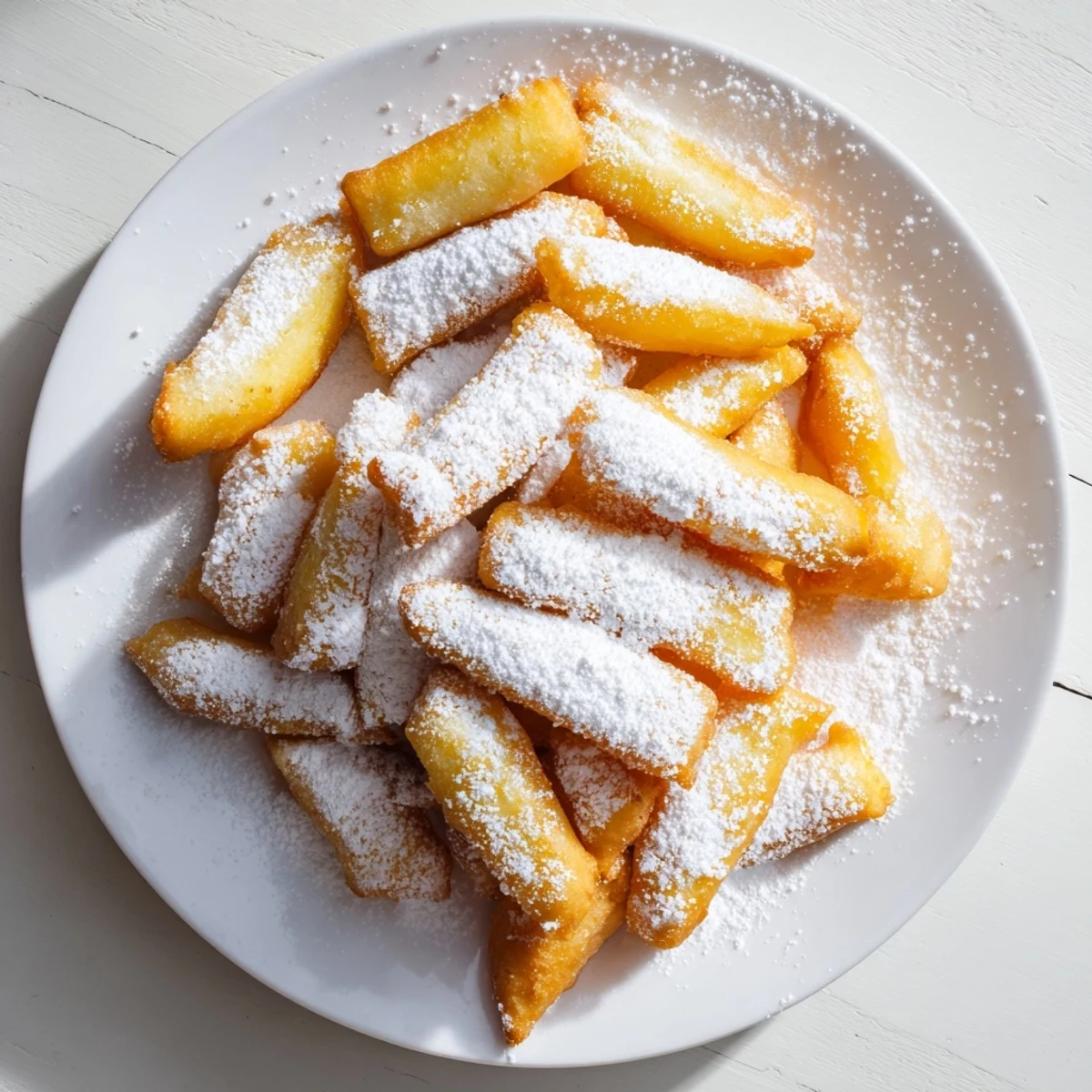
Save These golden beignet fries deliver a crispy, airy texture with a light, sweet dusting of powdered sugar. Made by whipping up a soft, yeasted dough, cutting it into strips, and frying until puffed and browned, they offer a playful, shareable snack or dessert. The ease of preparation and familiar flavors make them a perfect treat any time. For extra indulgence, try dipping them in chocolate or caramel sauces.
The first time I made beignet fries, it was supposed to be a joke dessert for a Mardi Gras party. My kitchen looked like a snow globe had exploded, powdered sugar everywhere, but when people took that first bite, the laughter stopped. Those crispy golden strips disappeared faster than I could fry them, and now they are the most requested treat whenever friends come over.
Last winter, my niece discovered these during a sleepover and declared them fairy wands. We stood over the stove together, watching the dough puff up like magic in the hot oil, taking turns dusting them with sugar. Now whenever she visits, the first thing she asks is whether we are making the magic sticks.
Ingredients
- Active dry yeast: This is what gives the fries their signature puff, so make sure your water is warm but not hot, or you will kill the yeast before it can work
- Warm water: Use a thermometer if you can, aiming for that sweet spot between 105 and 115 degrees, which feels comfortably warm to your wrist
- Granulated sugar: This feeds the yeast and helps the dough develop that lovely golden color when frying
- Salt: Just a half teaspoon balances the sweetness and keeps these from tasting like plain doughnuts
- Large egg: Room temperature eggs incorporate better into the dough, so set it out while you gather other ingredients
- Whole milk: Also bring this to room temperature for the smoothest, most elastic dough possible
- All-purpose flour: Keep extra handy for dusting your work surface, as sticky dough will make shaping the fries frustrating
- Unsalted butter: Melt it slightly so it mixes in evenly, adding richness without making the dough heavy
- Vegetable oil: You need enough to submerge the fries completely, so an inch or two in a deep pot works perfectly
- Powdered sugar: Sift it before dusting to avoid clumps, and apply generously while the fries are still warm so it sticks
Instructions
- Wake up the yeast:
- Stir the yeast into warm water in a large bowl and let it sit untouched for 5 minutes. You should see bubbles forming on top, which means it is alive and ready to work.
- Build the base:
- Whisk in the sugar, salt, egg, and milk until everything is smoothly combined. The mixture should look uniform and slightly creamy.
- Start the dough:
- Stir in 2 cups of flour first, mixing until completely smooth before adding the melted butter. This gradual addition prevents lumps and helps develop structure early.
- Finish the dough:
- Add the remaining flour and stir until a soft, slightly sticky dough forms. It should pull away from the sides but still feel tacky to the touch.
- Knead it out:
- Turn the dough onto a floured surface and knead for about 5 minutes, pushing it away with your palm and folding it back over itself. The dough should become smooth, elastic, and no longer stick to your hands.
- Let it rise:
- Place the dough in a greased bowl, cover with a clean towel, and leave it in a warm spot for an hour. It should double in size, looking puffy and alive.
- Shape the fries:
- Punch down the risen dough and roll it out until it is about half an inch thick. Cut it into strips half an inch wide and three inches long, aiming for uniform sizes so they fry evenly.
- Heat the oil:
- Pour oil into a deep skillet or pot until it is about two inches deep and heat to 350 degrees. A thermometer is your friend here, as oil that is too hot will burn the outside before the inside cooks.
- Fry in batches:
- Carefully lower a handful of dough strips into the hot oil and fry for 2 to 3 minutes, turning them occasionally. They are done when golden brown all over and puffed up like little pillows.
- Dust and serve:
- Lift the fries out with a slotted spoon and drain them on paper towels for just a minute. While they are still warm, dust them generously with powdered sugar and serve immediately.
 Save
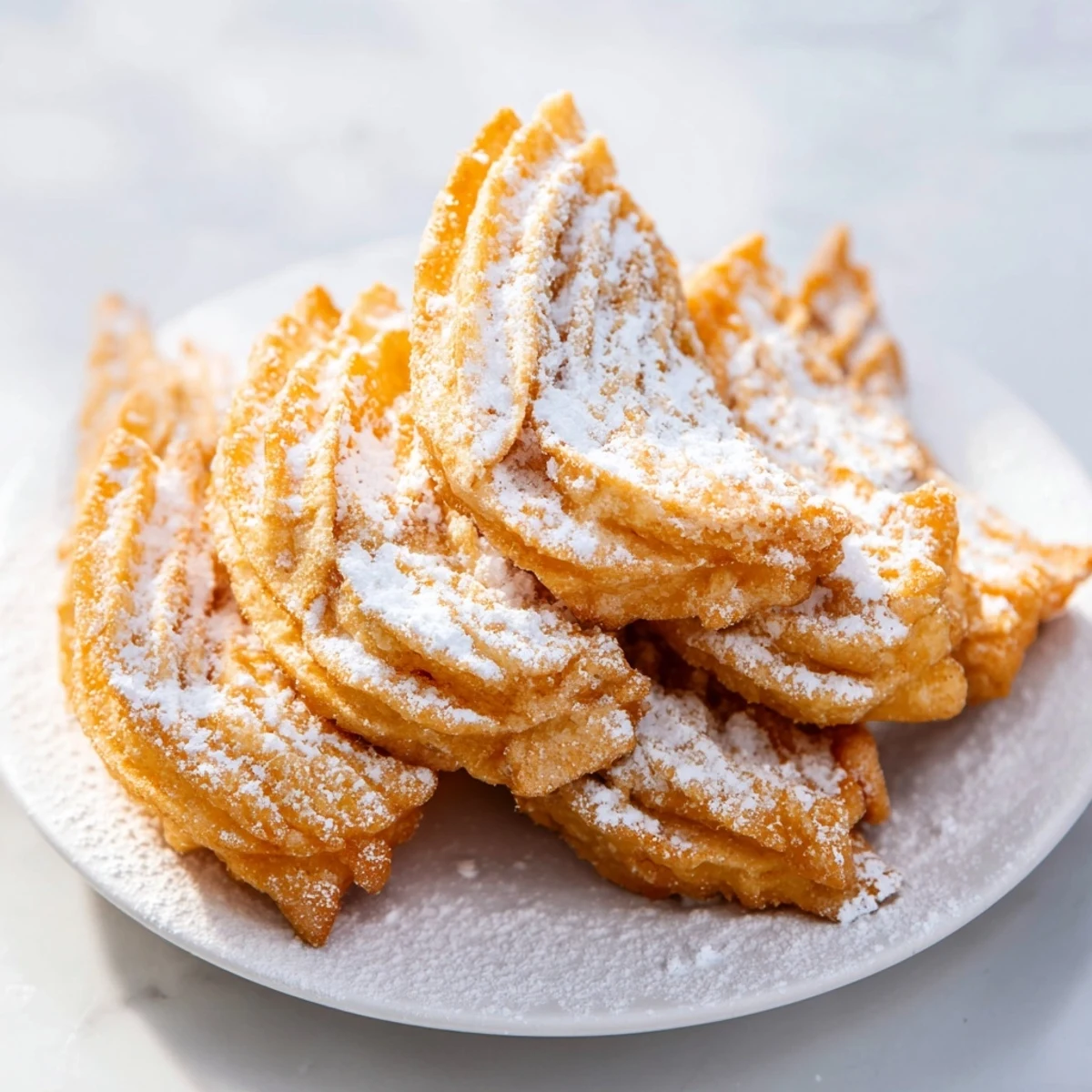
Save My neighbor smelled the frying from her yard and came over with a container of strawberry jam. We sat on the back porch dipping the warm beignet fries into jam while the sun went down, and that accidental combination has become our weekend tradition ever since.
Getting the Perfect Fry Shape
I used to cut my fries by hand, which resulted in wonky shapes that fried unevenly. A pizza cutter changed everything, gliding through the dough effortlessly and creating perfectly uniform strips every single time.
Oil Temperature Secrets
The difference between golden perfection and burnt disappointment is about 15 degrees. I keep an instant-read thermometer clipped to the side of my pot and adjust the heat as needed, maintaining that steady 350 degree frying zone.
Make-Ahead Magic
The dough can be made the night before and kept in the refrigerator, which actually develops more flavor. In the morning, just let it come to room temperature for 30 minutes before rolling and frying.
- Freeze uncooked strips on a baking sheet, then transfer to a bag and fry straight from frozen for last-minute treats
- Keep powdered sugar in a sieve for instant, even dusting without the mess
- Set up your draining station before you start frying so you are not scrambling when the first batch is done
 Save
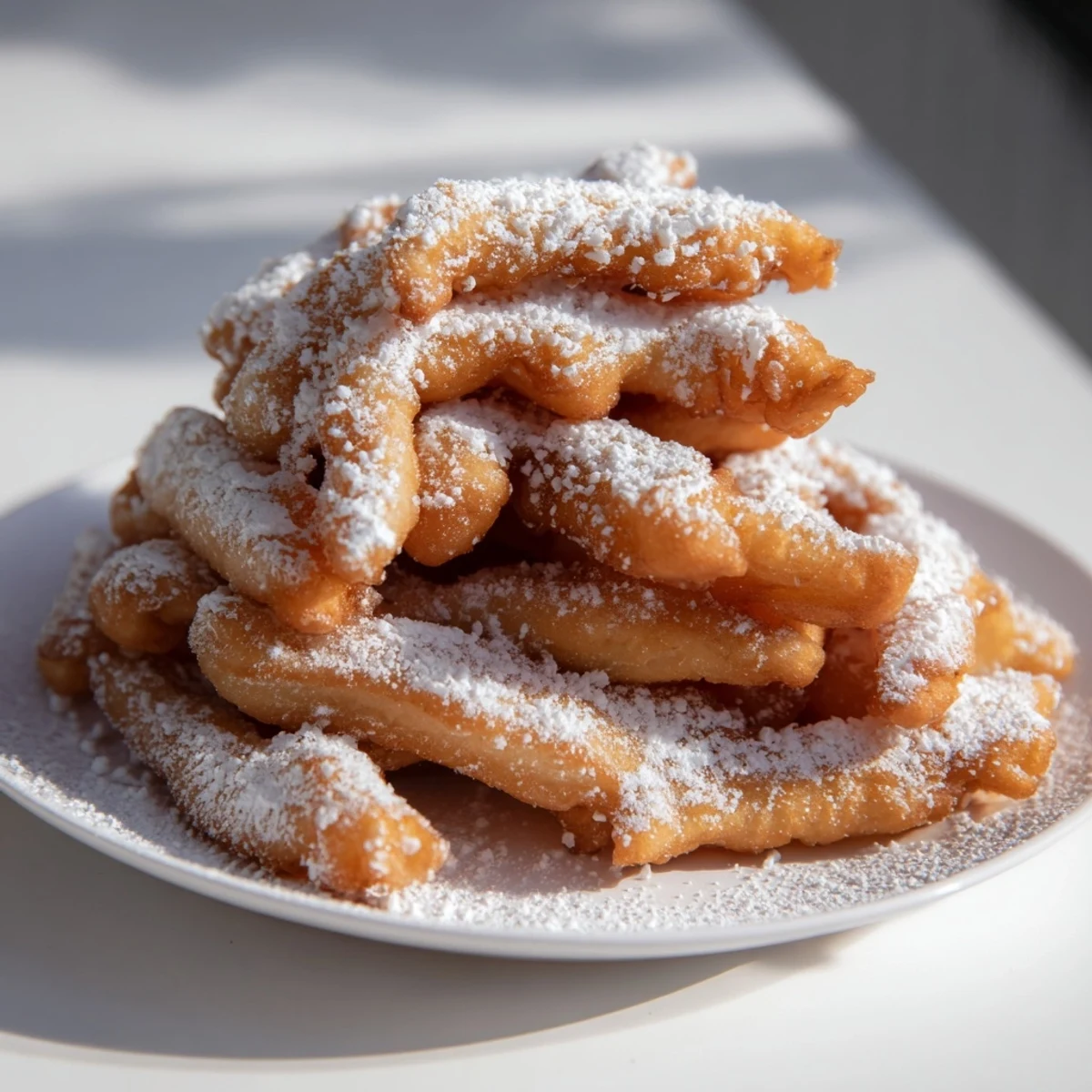
Save Whether you are feeding a crowd or just treating yourself on a quiet Tuesday morning, these beignet fries turn ordinary moments into something worth celebrating.
Common Recipe Questions
- → What type of dough is used for beignet fries?
-
A soft, yeasted dough made with flour, yeast, sugar, milk, and butter creates the base for fluffy, crispy beignet fries.
- → How are beignet fries cooked to achieve crispiness?
-
They are deep-fried in vegetable oil at 350°F until golden brown and puffed, resulting in a crunchy exterior and tender inside.
- → Can powdered sugar be substituted or omitted?
-
Powdered sugar adds a sweet finish, but you may opt for cinnamon sugar or leave it off for a less sweet version.
- → What dipping sauces pair well with beignet fries?
-
Chocolate, caramel, or fruit sauces complement the sweetness and add extra flavor contrast.
- → How long does the dough need to rise?
-
The dough should rest in a warm place for about 1 hour until it doubles in size, ensuring a light texture.
- → Can these be made ahead and reheated?
-
Beignet fries are best fresh but can be briefly reheated in an oven to restore crispness.