
 Save
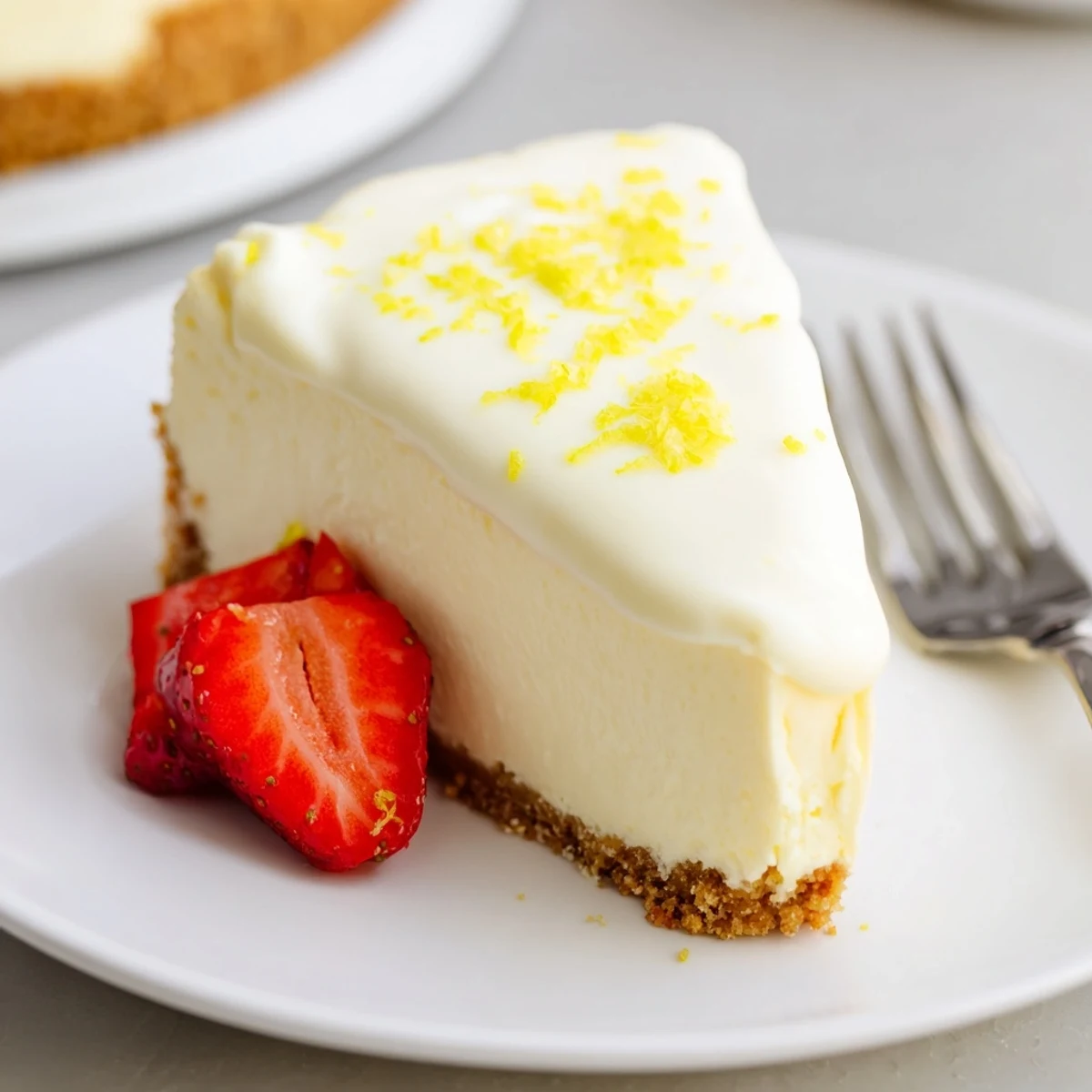
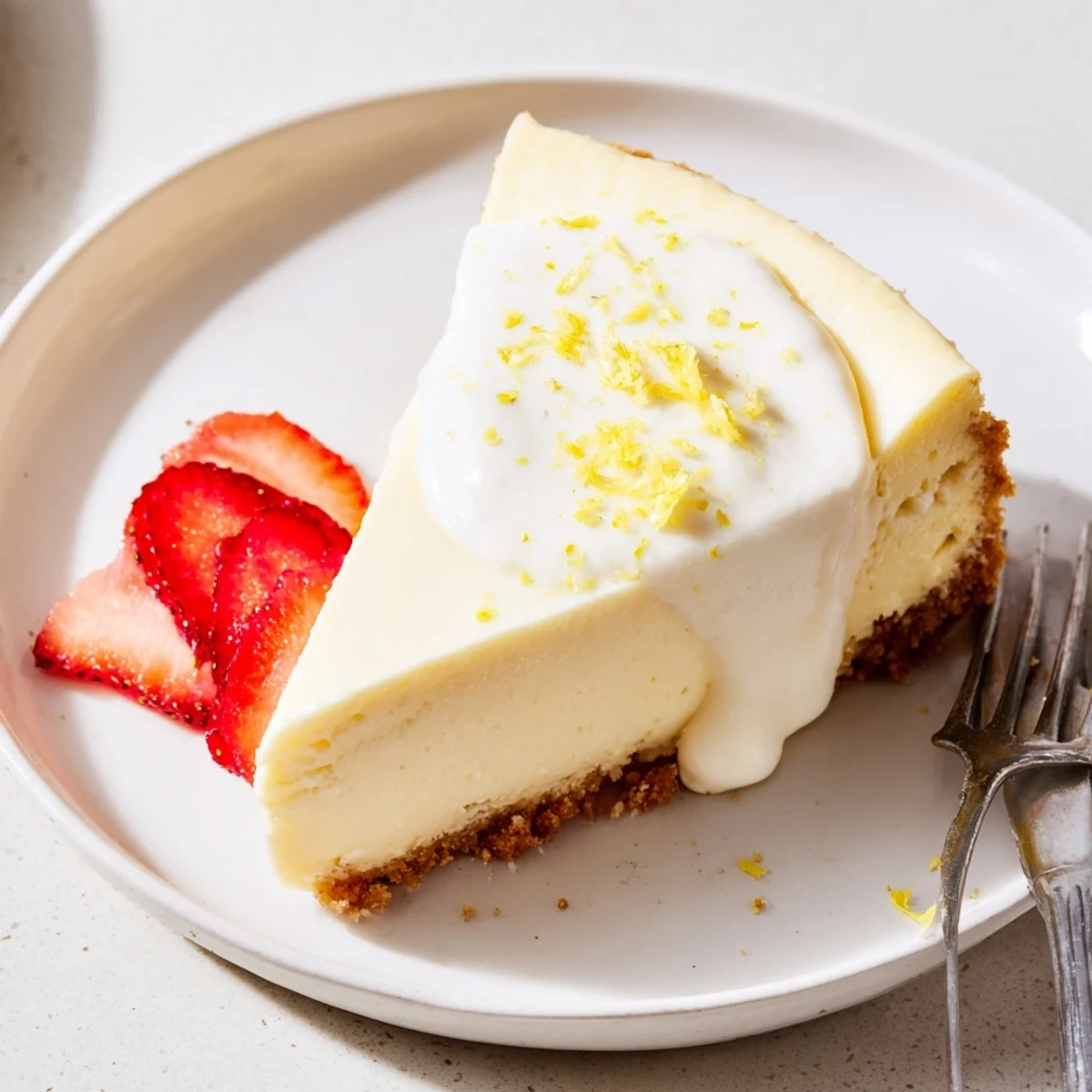
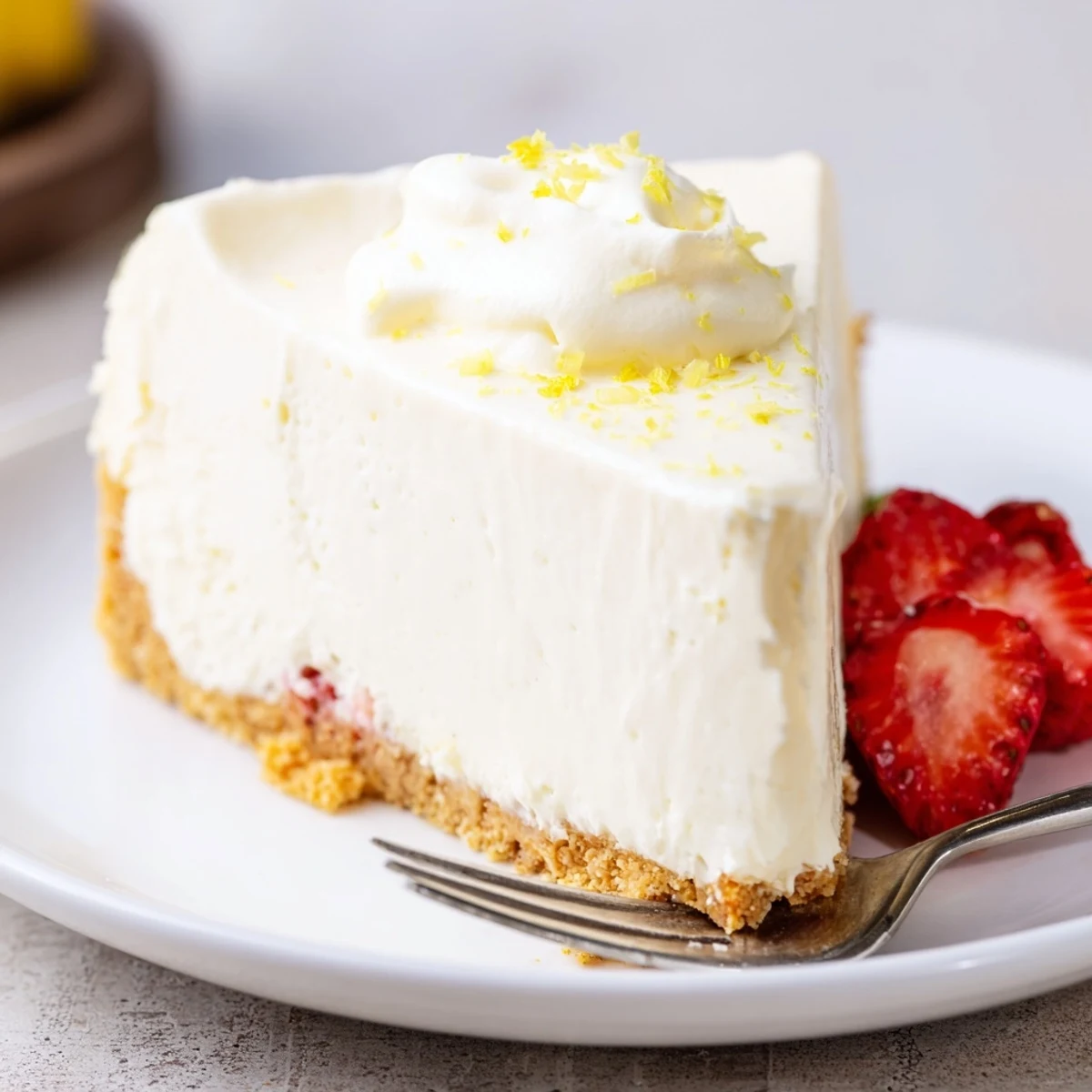
Save This classic cheesecake features a buttery graham-cracker crust and a silky cream cheese filling enriched with sour cream, vanilla and a touch of lemon. After a gentle bake until the center is slightly wobbly, cool slowly in the oven, then chill several hours. Top with a simple sour cream glaze or fresh berries for bright contrast.
The summer my oven thermometer betrayed me was the summer I truly learned cheesecake. I had invited six people over for dinner, confident in my dessert choice, only to discover my oven was running 25 degrees hot halfway through baking. That cracked, overdone cheesecake taught me more about patience and temperature than any cookbook ever could.
My friend Clara still talks about the time I brought this to her rooftop birthday party in September. She had requested something simple but I showed up with a full cheesecake topped with fresh raspberries and she nearly cried cutting into it.
Ingredients
- Graham cracker crumbs (200 g): Fresh crumbs make a huge difference so I pulse whole crackers in a food processor rather than buying pre made ones.
- Unsalted butter, melted (100 g): The butter binds everything and browning it slightly adds a nutty depth that takes the crust up a notch.
- Granulated sugar for crust (2 tbsp): Just enough sweetness to round out the crust without making it cloying.
- Cream cheese, softened (900 g): Full fat is non negotiable here and it must be properly softened or you will fight lumps all day long.
- Granulated sugar for filling (200 g): Added gradually so it blends smoothly into the cream cheese without deflating anything.
- Large eggs, room temperature (3): Cold eggs cause the batter to seize so I set them out first thing in the morning.
- Sour cream (240 ml): This is the secret to that tangy richness that keeps people guessing what makes it so good.
- Vanilla extract (2 tsp): I use the real stuff and sometimes a scrape of vanilla bean when I am feeling fancy.
- All-purpose flour (2 tbsp): A small amount that stabilizes the filling and helps prevent cracking.
- Lemon juice (1 tbsp): Just a squeeze to brighten all that richness and balance the sweetness perfectly.
- Topping sour cream, powdered sugar, and vanilla (optional): A silky blanket that hides any imperfections and adds a lovely creamy tang.
Instructions
- Prep the pan and oven:
- Preheat your oven to 160 degrees C (325 degrees F) and line the bottom of a 23 cm springform pan with parchment. Wrap the outside of the pan tightly in foil if you plan to use a water bath later.
- Build the crust:
- Toss the graham crumbs with melted butter and sugar until everything feels like damp sand. Press firmly and evenly into the bottom of the pan using the back of a measuring cup then bake for 10 minutes until fragrant and set.
- Start the filling:
- Beat the softened cream cheese in a large bowl until completely smooth and silky with no visible lumps. Gradually pour in the sugar while the mixer runs on medium low.
- Add the eggs and flavorings:
- Drop in one egg at a time mixing just until each one disappears into the batter. Fold in the sour cream, vanilla, flour, and lemon juice gently until combined but never overworked.
- Assemble and bake:
- Pour the filling over the cooled crust and smooth the top with a spatula using wide sweeping strokes. Bake for 45 minutes until the edges are set but the center still jiggles like gelatin when you gently shake the pan.
- The crucial cool down:
- Turn off the oven, crack the door open with a wooden spoon, and let the cheesecake sit inside for one full hour. This slow cooling is everything and it is where you earn that crack free top.
- Chill and finish:
- Remove the cheesecake, let it reach room temperature on the counter, then refrigerate at least 4 hours or preferably overnight. If using the topping, whisk together the sour cream, powdered sugar, and vanilla and spread it over the cold cheesecake before serving.
 Save
Save The moment I served this cheesecake to my neighbor who claimed she did not like dessert was the moment I realized food is just a language for saying things we cannot quite put into words.
A Few Words on Timing
I used to rush the chilling step and every time I regretted it when slicing revealed a sloppy, weepy texture. Now I treat the overnight rest as part of the recipe itself, not an optional suggestion.
Serving and Pairing Ideas
Fresh berries and a drizzle of fruit compote are classic for good reason but I also love a handful of toasted pecans on top for crunch. A cup of strong black coffee beside a slice is really all anyone needs on a quiet afternoon.
Storing Your Cheesecake
Cover the cheesecake tightly and it will keep beautifully in the refrigerator for up to five days though it rarely lasts that long in my house. For longer storage wrap individual slices and freeze them for up to two months.
- Thaw frozen slices in the refrigerator overnight rather than on the counter for the best texture.
- Always use a clean hot knife between cuts for bakery worthy slices.
- Remember that a cheesecake served slightly chilled rather than ice cold lets the flavors shine their brightest.
 Save
Save Every cheesecake I make still carries a little bit of that first cracked, overbaked, wonderfully imperfect one, and I would not have it any other way. This recipe is your invitation to make it your own.
Common Recipe Questions
- → What oven temperature and bake time work best?
-
Preheat to 160°C (325°F). Bake about 45 minutes until the edges are set and the center still has a slight wobble. Turning off the oven and leaving the cake inside with the door ajar for an hour helps prevent sudden temperature shifts.
- → How can I avoid cracks on the surface?
-
Avoid overmixing the batter and add eggs one at a time. Bake gently at a low temperature, cool slowly in the oven, and do not overbake—remove when the center is just set. A sour cream topping also helps mask small imperfections.
- → Can I swap the graham crust for another base?
-
Yes. Finely ground digestive biscuits, vanilla wafers or shortbread make great alternatives. Adjust butter to achieve a pressable, cohesive crust and prebake for 8–10 minutes to set the base.
- → How long should it chill before serving?
-
Chill at least 4 hours, preferably overnight. Extended chilling firms the texture and improves flavor melding, making slicing cleaner and the filling silkier.
- → Any tips for achieving a silky filling?
-
Use room-temperature cream cheese and mix until smooth, scraping the bowl. Add sour cream and vanilla toward the end and fold gently. A tablespoon of flour helps stabilize and yield a creamier bite.
- → What toppings pair best with this cheesecake?
-
Fresh berries or a bright berry compote contrast the rich filling nicely. A simple sour cream glaze, lemon or orange zest, or a drizzle of fruit syrup also enhance freshness and balance richness.