
 Save
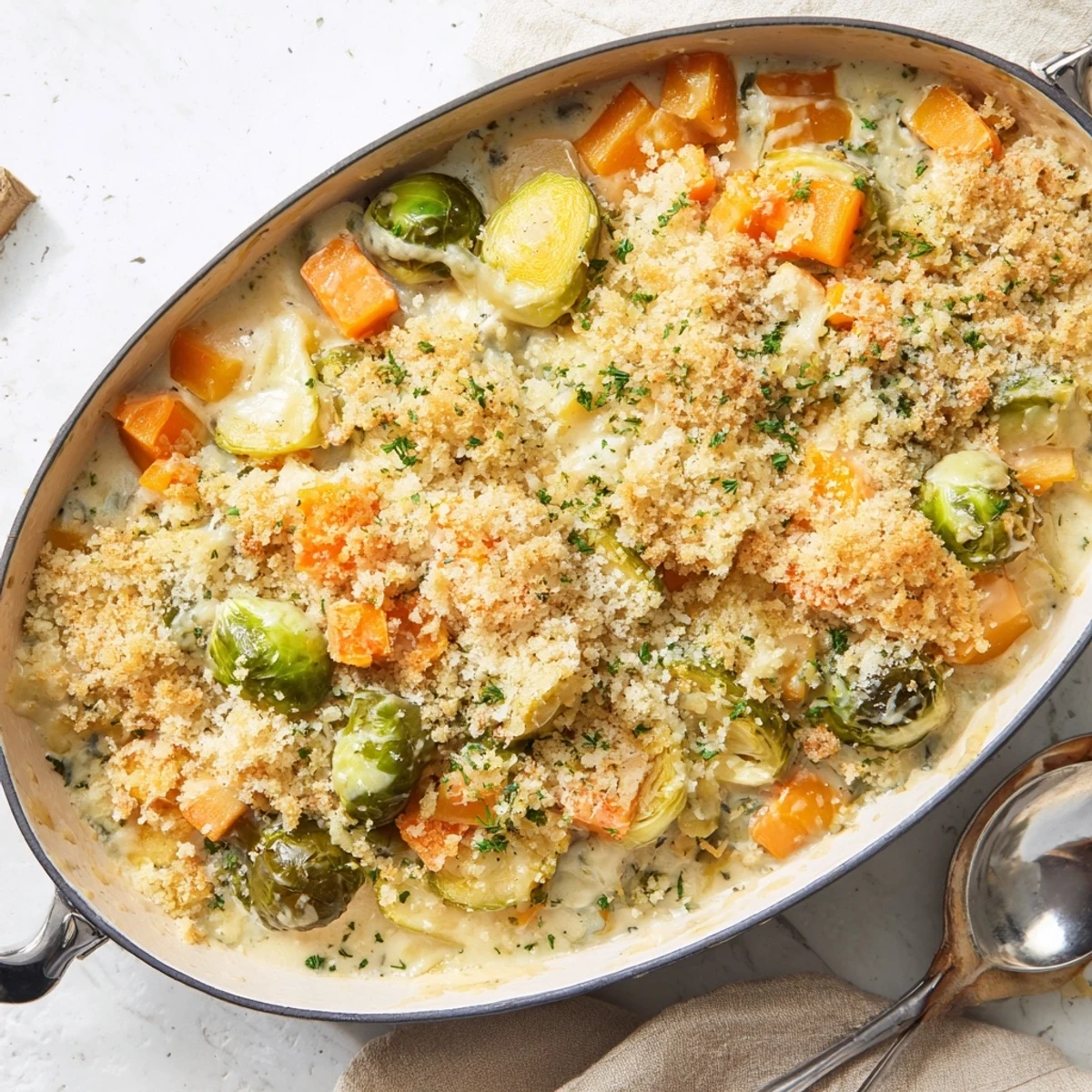
Save This comforting casserole combines butternut squash, parsnips, carrots, Brussels sprouts, and leeks in a rich, herb-infused cream sauce. The vegetables are lightly blanched before being folded into a velvety blend of butter, flour, milk, and heavy cream seasoned with thyme, sage, and nutmeg. A generous layer of Gruyère cheese creates a melty, savory topping, while buttery panko breadcrumbs add irresistible crunch. After baking until golden and bubbly, let it rest briefly to allow the sauce to set slightly before serving. This versatile dish pairs beautifully with crusty bread and a crisp white wine.
Last February when the thermometer refused to climb above freezing, my neighbor Sarah showed up at my door with a dish that smelled like comfort itself. She had made a creamy vegetable casserole with whatever remained from her winter CSA box. The combination of tender roasted vegetables swimming in that velvety, herb-scented sauce absolutely saved our dinner plans that night.
I first served this at a tiny Friendsgiving where the oven was the only source of warmth in my drafty apartment. The smell of nutmeg and sage wafting through the rooms made everyone congregate in the kitchen. One friend who claimed to hate parsnips actually went back for a third helping, proving that the right preparation can absolutely change minds about winter vegetables.
Ingredients
- Butternut squash, parsnips, carrots: These root vegetables form the hearty backbone of the casserole. Cutting them into similar sized pieces ensures they cook at the same rate.
- Brussels sprouts: Halving them exposes more surface area to the creamy sauce. Fresh ones work better than frozen for texture.
- Leeks and garlic: Leeks add a mild onion flavor that pairs beautifully with the cream sauce. Clean them thoroughly as dirt often hides between the layers.
- Unsalted butter: Essential for both the sauce base and the crispy topping. Unsalted gives you control over the final seasoning.
- All-purpose flour: This creates the roux that thickens the cream sauce. Whisk constantly to prevent any lumps from forming.
- Whole milk and heavy cream: The combination creates a rich sauce without being overwhelmingly heavy. The heavy cream provides the luxurious texture.
- Dried thyme and sage: These herbs capture the essence of winter cooking. Fresh herbs can be used but double the amount.
- Ground nutmeg: Just a hint adds warmth and depth. A little goes a long way so measure carefully.
- Gruyère cheese: Adds a nutty, complex flavor that melts beautifully. Sharp cheddar or Swiss make excellent alternatives.
- Panko breadcrumbs: Create a lighter, crispier topping than traditional breadcrumbs. They stay crunchier longer under the cream sauce.
Instructions
- Preheat and prepare:
- Heat your oven to 375°F (190°C) and give a 9x13-inch casserole dish a light coating of butter or oil.
- Blanch the vegetables:
- Boil salted water and cook the squash, parsnips, carrots, and Brussels sprouts for 8 minutes until slightly tender. Drain well.
- Soften the aromatics:
- Melt 2 tablespoons butter in a large skillet over medium heat. Cook the leeks and garlic for 3-4 minutes until fragrant and softened.
- Build the sauce base:
- Sprinkle flour over the leeks and stir for 1 minute. Slowly whisk in the milk and cream until smooth.
- Season the sauce:
- Add thyme, sage, nutmeg, salt, and pepper. Let the sauce simmer for 4-5 minutes until it coats the back of a spoon.
- Combine everything:
- Gently fold the blanched vegetables into the sauce. Pour the mixture into your prepared casserole dish.
- Add the cheese layer:
- Sprinkle the grated Gruyère evenly over the vegetable mixture.
- Create the crispy topping:
- Mix panko breadcrumbs with melted butter and parsley. Scatter this over the cheese layer.
- Bake to golden perfection:
- Bake uncovered for 35-40 minutes until the sauce bubbles and the topping turns deep golden brown.
- Let it rest:
- Allow the casserole to stand for 10 minutes before serving. This helps the sauce set slightly for easier scooping.
 Save
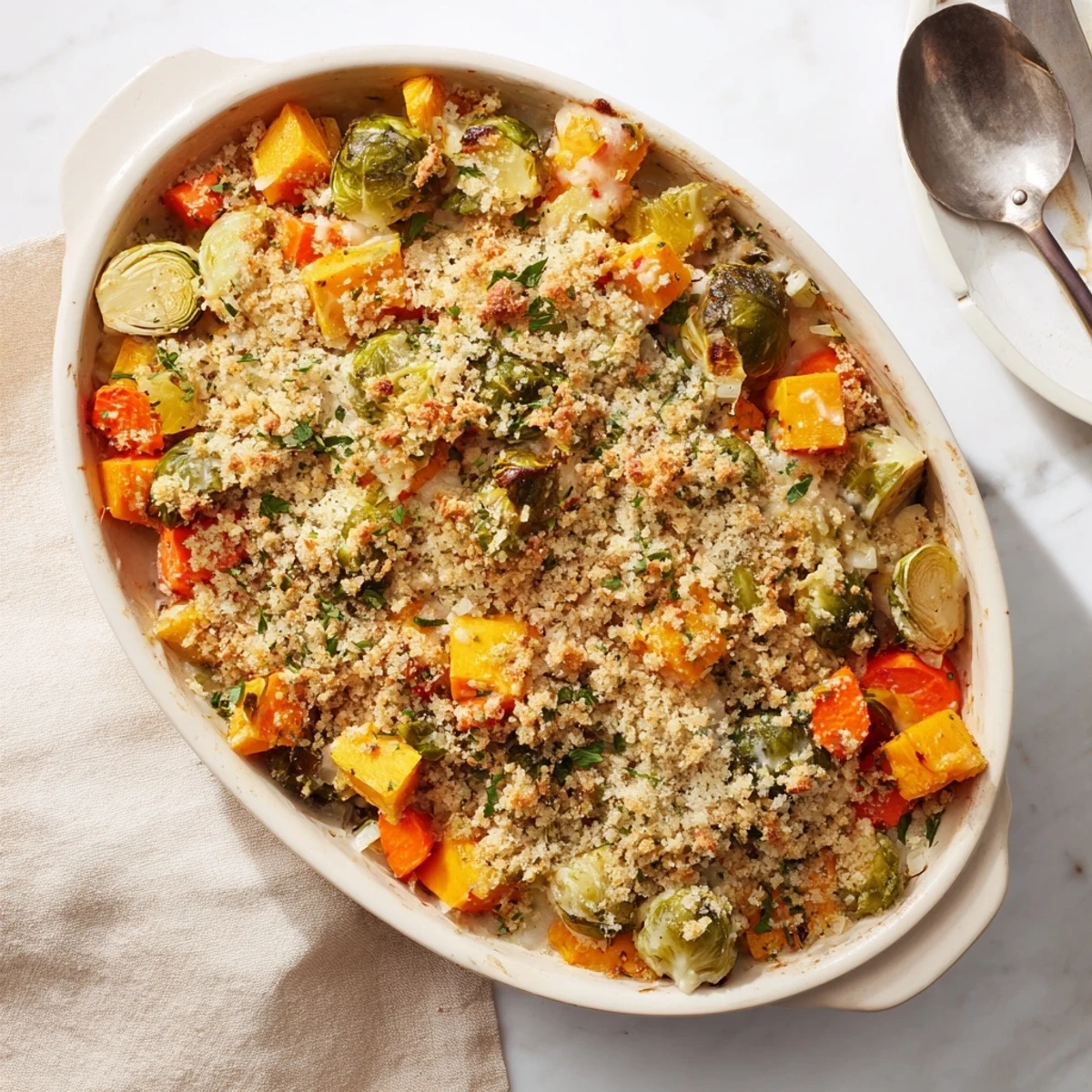
Save My grandmother used to say that a casserole is just a hug in a baking dish. This recipe proved her right during a particularly difficult winter when simple comfort was exactly what we needed. The leftovers reheat beautifully and somehow taste even better the next day.
Making It Ahead
You can assemble the entire casserole up to a day before baking. Cover tightly with foil and refrigerate, then add an extra 10-15 minutes to the baking time since it will be cold. The panko topping stays crispest if added just before baking, but it still works well if made ahead.
Choosing Your Vegetables
Feel free to swap in other winter vegetables based on what you have available. Cubed potatoes, turnips, or rutabaga work beautifully in place of some of the squash or parsnips. The key is keeping the pieces roughly the same size so they cook evenly.
Serving Suggestions
This casserole makes a satisfying vegetarian main dish, especially when served with a crisp green salad dressed with vinaigrette to cut through the richness. It also pairs wonderfully alongside roasted chicken, pork, or holiday ham.
- A glass of Sauvignon Blanc or Chardonnay complements the creamy sauce perfectly.
- Crusty bread is essential for sopping up any extra sauce on your plate.
- A simple arugula salad with lemon dressing provides a bright, fresh contrast.
 Save
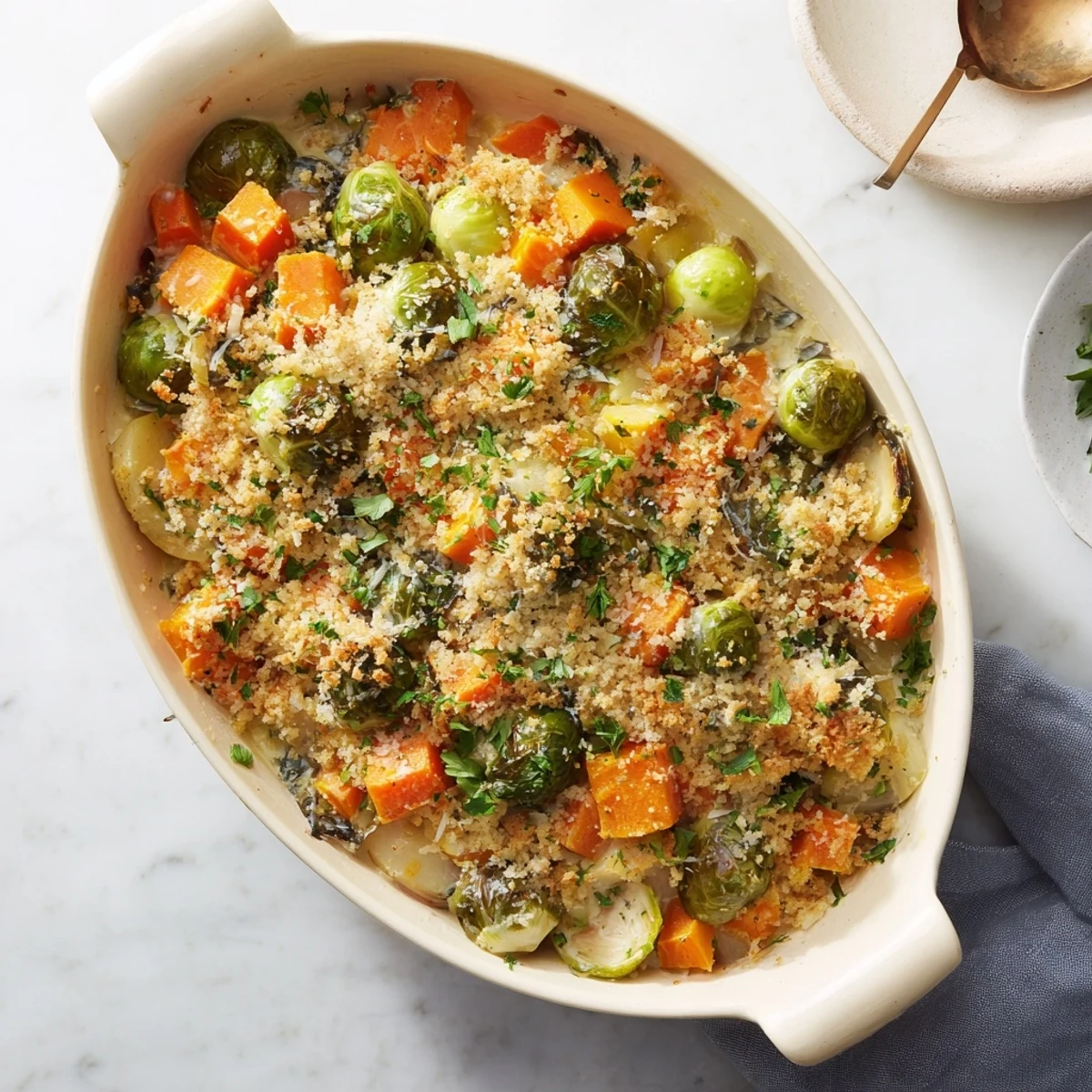
Save There is something deeply satisfying about transforming simple winter vegetables into a dish that feels special enough for holidays but easy enough for a Tuesday dinner. This casserole has earned its permanent place in my regular rotation.
Common Recipe Questions
- → Can I prepare this casserole ahead of time?
-
Yes, you can assemble the entire casserole up to 24 hours in advance and refrigerate it unbaked. Add an extra 10-15 minutes to the baking time if baking straight from the refrigerator.
- → What other vegetables work well in this dish?
-
Root vegetables like rutabaga, turnips, or sweet potatoes make excellent additions. You can also include cauliflower florets or diced potatoes. Keep the total vegetable quantity around 6 cups for best results.
- → Can I freeze the leftovers?
-
This casserole freezes well for up to 3 months. Portion leftovers into airtight containers and thaw overnight in the refrigerator before reheating at 350°F (175°C) until heated through.
- → How do I prevent the topping from getting too dark?
-
If the breadcrumbs brown too quickly, loosely cover the dish with aluminum foil for the last 10-15 minutes of baking. You can also broil for just 2-3 minutes at the end for extra crispness while watching closely.
- → What can I substitute for the heavy cream?
-
Half-and-half works as a lighter alternative, though the sauce will be slightly less rich. For a dairy-free option, use full-fat coconut milk or unsweetened oat milk mixed with 2 tablespoons of cornstarch for thickening.
- → Is blanching the vegetables necessary?
-
Blanching ensures all vegetables cook evenly and reach the perfect tenderness. Skipping this step may result in unevenly cooked vegetables, with some remaining crunchy while others become mushy during baking.