
 Save
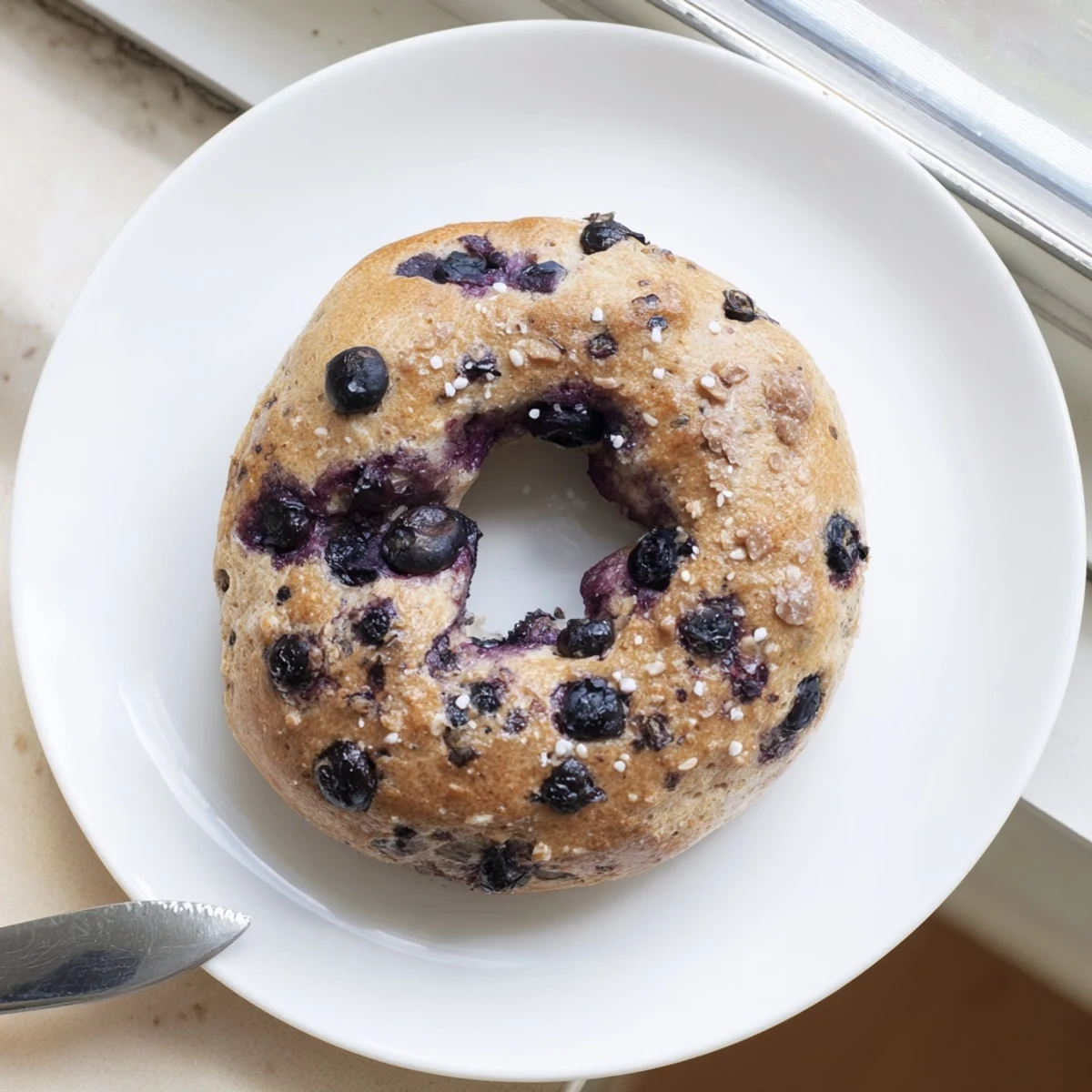
Save These homemade blueberry bagels deliver the perfect combination of soft interior and chewy exterior, all while remaining entirely gluten-free. The dough incorporates fresh or frozen blueberries that burst during baking, creating pockets of sweetness throughout each ring. After a 45-minute rise, each bagel gets a quick 30-second boil in honey-sweetened water before baking at high heat, ensuring that signature glossy crust and dense texture.
The recipe yields eight generous bagels that stay fresh in an airtight container for three days or freeze beautifully for two months. Top them with coarse sugar for extra crunch, or keep them plain and toast before serving with cream cheese or butter. The preparation fits perfectly into a relaxed morning routine, with most time spent hands-off while the dough rises.
The kitchen smelled like warm berries and yeast on a Tuesday morning when I first attempted gluten-free bagels. Id been craving that chewy, dense texture you get from a proper New York bagel shop, but every GF version Id tried either crumbled like dry cake or tasted like cardboard. My roommate wandered in, drawn by the scent, and asked if Id secretly started a bakery. We stood by the oven watching them rise, slightly skeptical, until that first golden tray emerged.
Last summer my sister visited, and shes brutally honest about my baking experiments. She took one bite, eyes wide, and asked if Id secretly ordered from a cafe. Seeing someone who can eat gluten genuinely prefer these made me realize Id finally cracked the code. Now she texts me whenever she spots blueberries on sale, reminding me to make a batch.
Ingredients
- Gluten-free bread flour blend: This is crucial because the xanthan gum already included provides the structure and elasticity that GF flour lacks
- Instant yeast: Skip the proofing step and mix it directly into the dry ingredients for reliable rise every time
- Apple cider vinegar: Reacts with the baking environment to help the dough achieve better lift and a lighter texture
- Blueberries: Fresh ones give you bursts of juice while frozen create pretty swirls, but either way keep them cold until folding
- Honey in boiling water: This step creates that glossy, authentic bagel crust that makes you question whether these are really gluten-free
Instructions
- Mix the foundation:
- Whisk together your gluten-free flour blend, sugar, instant yeast, and salt in a large bowl until everything is evenly distributed
- Bring dough together:
- Pour in the warm water, vegetable oil, and apple cider vinegar, then stir until you have a sticky, shaggy dough that holds together when pressed
- Introduce the berries:
- Gently fold in the blueberries using a spatula, being careful not to mash them or theyll bleed too much into the dough
- Let it rest:
- Cover the bowl with a clean towel and set it somewhere warm for about 45 minutes until the dough looks slightly puffy and alive
- Shape your bagels:
- Divide the dough into 8 equal pieces, roll each into a ball, then poke your thumb through the center to create the hole, stretching gently to form that classic ring
- The water bath:
- Bring a large pot of water to a gentle boil with honey stirred in, then carefully drop each bagel in for 30 seconds per side
- Bake to golden:
- Brush with egg wash if you want extra shine and crunch, sprinkle with coarse sugar, then bake at 425°F until deeply golden and fragrant
 Save
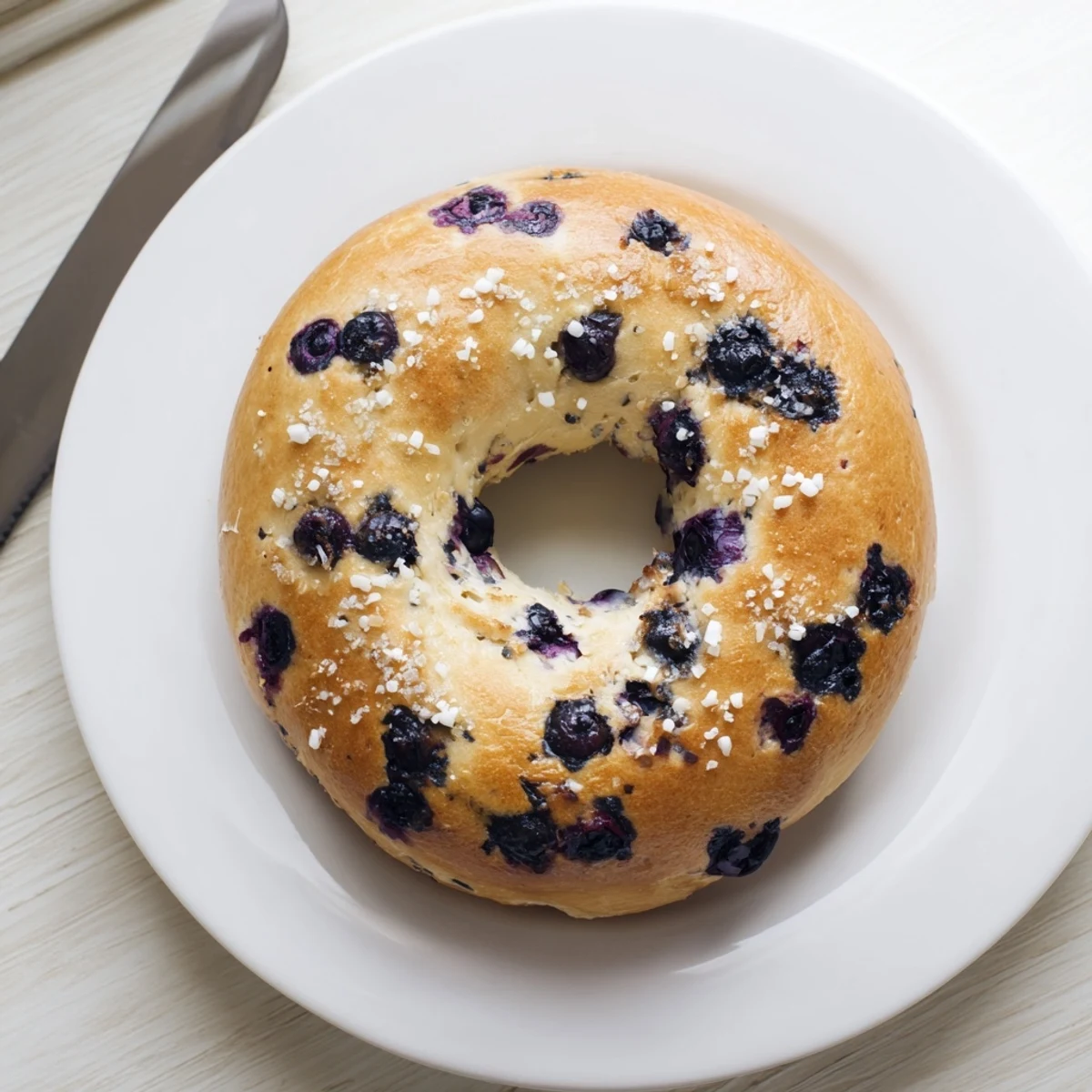
Save These became my go-to when friends announce they are visiting for weekend breakfast. Theres something incredibly satisfying about pulling warm bagels from the oven, slicing them open while still steaming, and watching slabs of cream cheese melt into the crevices. They make the house feel welcoming before anyone even arrives.
Getting The Shape Right
The dough will feel different than wheat dough, more like a thick, sticky batter than traditional bread dough. Do not be tempted to add more flour to make it easier to handle because that will make the bagels tough. Use oiled hands and work quickly, shaping each bagel directly onto the parchment-lined baking sheet so you do not have to transfer them later.
The Boiling Technique
I learned the hard way that you want a gentle simmer, not a rolling boil, because violent water will tear the delicate gluten-free structure. Use a slotted spoon and lift each bagel carefully, letting excess water drip off before returning it to the baking sheet. This 60-second bath is what transforms them from dinner rolls to actual bagels.
Storage And Freezing
These bagels are actually better the second day because the moisture redistributes throughout the crumb. Slice them before freezing so you can pop frozen halves directly into the toaster oven for a quick breakfast.
- Wrap individually in plastic wrap before freezing for the best results
- Refresh day-old bagels by sprinkling with water and warming at 350°F for 5-7 minutes
- Store at room temperature in a paper bag to prevent the crust from getting soft
 Save
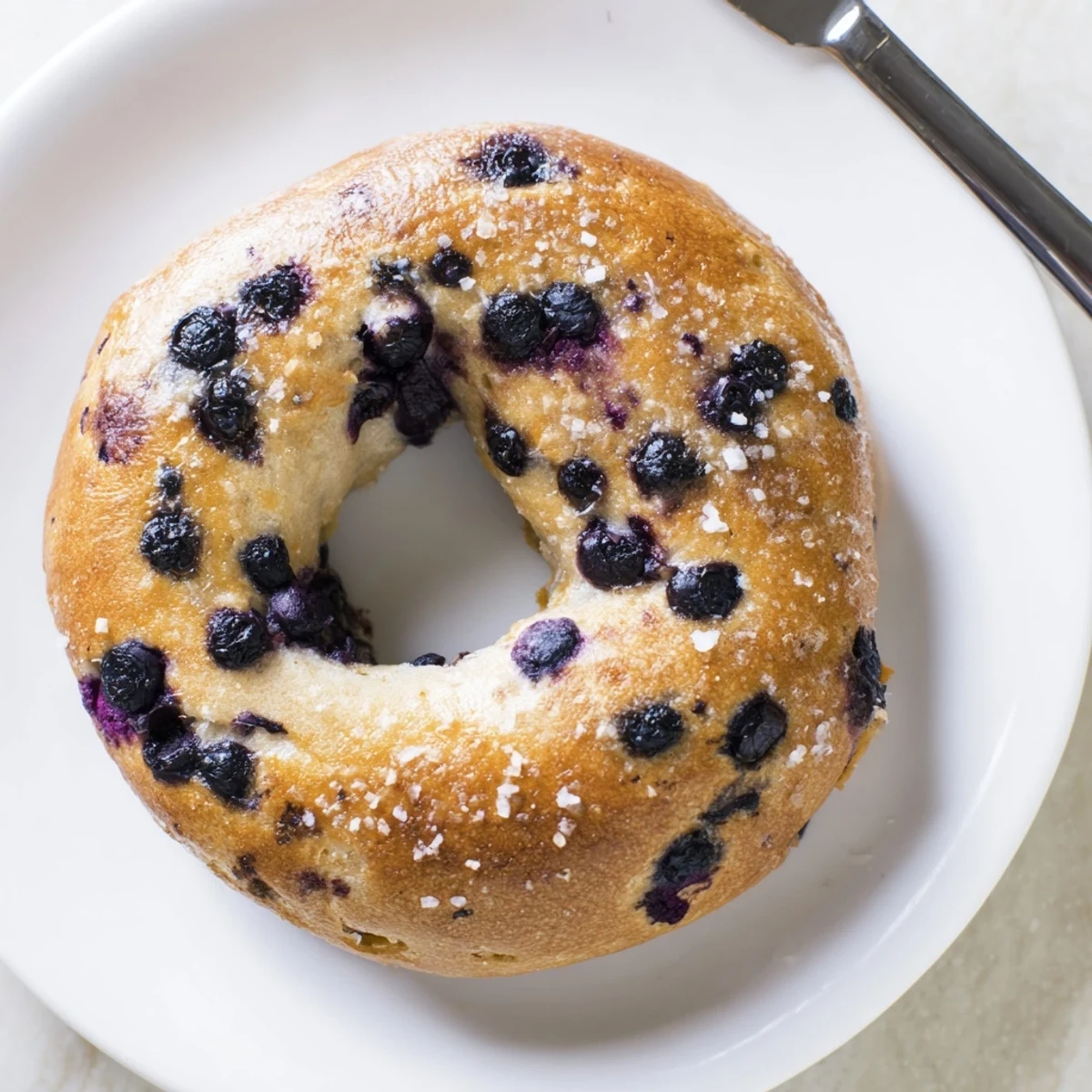
Save Theres nothing quite like pulling a warm bagel apart and watching the steam rise, especially when you have not had a proper bagel in years because of dietary restrictions. These are worth every sticky-fingered moment of shaping.
Common Recipe Questions
- → Can I use frozen blueberries instead of fresh?
-
Absolutely. Add frozen blueberries directly from the freezer without thawing. This prevents excess bleeding into the dough and maintains the texture. Folding them in gently helps keep them intact.
- → Why do I need to boil the bagels before baking?
-
Boiling gelatinizes the surface starch, creating that signature chewy, glossy exterior that bagels are known for. The 30-second boil per side is essential for authentic texture and helps the bagels maintain their shape during baking.
- → How do I store these bagels for maximum freshness?
-
Keep completely cooled bagels in an airtight container at room temperature for up to three days. For longer storage, slice and freeze individually wrapped portions. They toast beautifully from frozen in about 2-3 minutes.
- → What makes this gluten-free flour blend work best?
-
Use a blend containing xanthan gum, which helps bind the dough and provides elasticity. The gum is crucial for structure since gluten-free flours lack the protein network that wheat flour naturally provides.
- → Can I make these dairy-free and vegan?
-
Yes. Simply omit the egg wash or brush with non-dairy milk before baking. The rest of the ingredients are naturally plant-based, making these suitable for vegan diets with this small adjustment.
- → Why is apple cider vinegar added to the dough?
-
The vinegar enhances yeast activity and helps break down the gluten-free flours, improving the dough's texture and rise. It also balances sweetness from the blueberries and sugar without adding a detectable flavor.