
 Save
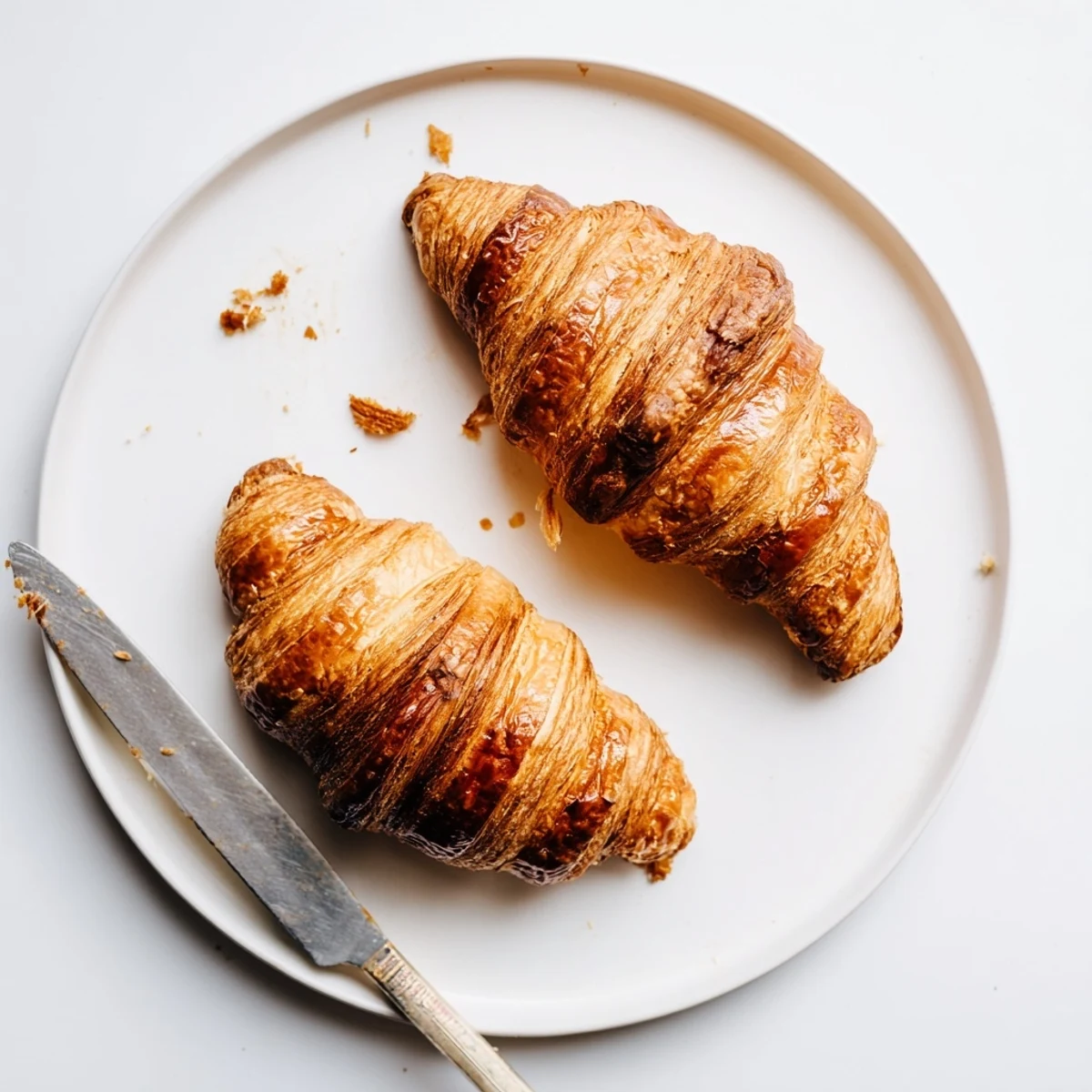
Save Create stunning French-style croissants without gluten through a precise lamination process. This method yields eight golden, flaky pastries with signature buttery layers and a tender crumb. The technique involves multiple rolling and folding turns to create hundreds of delicate layers, followed by proper proofing and high-heat baking for that coveted deep golden crust. While the process demands patience and attention to temperature, the results rival any traditional bakery.
The kitchen counter was covered in a fine dusting of flour when my sister called, asking what on earth I was attempting. When I said gluten-free croissants, she laughed, then went silent when I sent her a photo of the golden layers coming out of the oven. Sometimes the most stubborn recipes teach us the most about patience.
I made these for a friends brunch last month, and when my friend Sarah took her first bite, she actually stopped talking mid-sentence. She is not gluten-free. That is the highest compliment I have ever received on anything I have baked.
Ingredients
- Gluten-Free Flour Blend: Choose one with xanthan gum already added, as it provides the structure wheat flour normally gives. I have learned the hard way that not all blends perform equally in pastry.
- Almond Flour: Adds a subtle nuttiness and helps tenderize the dough. It also contributes to that gorgeous golden color in the oven.
- Instant Yeast: Your reliable workhorse here. No proofing needed, just mix it in and trust it to do its thing.
- Cold Butter for Layering: This is where the magic happens. The butter must stay cold to create distinct layers. If it melts into the dough, you lose the flake.
- Room Temperature Egg: Helps the dough come together smoothly. A cold egg can seize the softened butter and make mixing frustrating.
Instructions
- Mix the Dough:
- Whisk together the gluten-free flour, almond flour, sugar, yeast, and salt until thoroughly combined. In another bowl, blend the warm milk, water, egg, and softened butter, then pour into the dry ingredients. Mix until you have a sticky, shaggy dough that holds together when pressed.
- First Chill:
- Shape the dough into a rough rectangle, wrap tightly in plastic, and refrigerate for 45 minutes. This rest lets the flour hydrate fully and makes rolling much easier.
- Prepare the Butter Layer:
- Slice your cold butter into thin slabs and sandwich them between parchment paper. Pound with a rolling pin until you have an even rectangle, then chill if it has softened. Precision here pays off later.
- First Fold:
- Roll the chilled dough into a rectangle and place the butter over the bottom two-thirds, leaving a border. Fold the top third down over the butter, then fold the bottom third up like a letter.
- Create the Layers:
- Rotate the dough 90 degrees, roll out again, and repeat the fold. Chill for 20 minutes, then repeat this rolling and folding two more times. The chilling is not optional. Your future self will thank you.
- Final Rest:
- After the last fold, wrap the dough and chill for a full hour. This long rest relaxes the gluten-free proteins and helps the butter firm up again for shaping.
- Shape the Croissants:
- Roll the dough into a larger rectangle and cut into 8 triangles using a sharp knife or pizza cutter. Roll each triangle tightly from the wide end, tucking the point under as you place it on the baking sheet.
- Proof Until Puffy:
- Cover the tray and let the croissants rise in a warm spot for 1 to 1 1/2 hours. They should look slightly puffy and have a gentle jiggle when you shake the pan.
- Bake to Golden Perfection:
- Brush the proofed croissants with egg wash and bake at 400°F for 20 to 22 minutes. You are looking for deep golden brown, not pale. Let them cool slightly before serving, or serve warm if you can resist.
 Save
Save My mother-in-law, who has eaten real croissants in Paris, tried these cautiously. She took a second one home. That is all I really need to say.
The Temperature Game
Gluten-free dough warms up faster than wheat dough because of the different starches involved. I keep a marble rolling pin in the freezer now, and I work on a cool surface when possible. Every little bit helps keep those butter layers distinct.
Storage Strategy
Fresh baked croissants are best the same day, but you can freeze them immediately after baking. Reheat in a 350°F oven for about 8 minutes and they will nearly recreate that fresh-baked experience. Do not microwave, or you will lose everything that makes them special.
Make It Your Own
Once you have mastered the plain version, try adding dark chocolate before rolling, or sprinkle the dough with cheese and herbs for a savory twist. The technique remains the same, only the filling changes.
- Almond paste adds a lovely sweetness and pairs beautifully with the buttery layers
- Ham and gruyère transform them into a worthy lunch
- A dusting of powdered sugar makes chocolate versions feel even more indulgent
 Save
Save There is something profoundly satisfying about pulling a tray of these from the oven, seeing the layers you worked so carefully to create. Share them with someone who will appreciate the effort.
Common Recipe Questions
- → Can I make these dairy-free?
-
Yes, substitute the butter with high-quality plant-based butter and use almond or oat milk. Keep all ingredients cold for proper lamination.
- → Why is my dough sticky or hard to work with?
-
Gluten-free dough lacks elastic structure, so stickiness is normal. Chill frequently and use extra flour for dusting. Cold dough is essential for clean layers.
- → How do I know when croissants are properly proofed?
-
Proofed croissants look visibly puffy and jiggle slightly when the tray is gently shaken. They should increase in size by about half and hold an indentation when lightly touched.
- → Can I freeze the dough?
-
Freeze after the final fold and hour-long chill. Thaw overnight in the refrigerator before rolling, cutting, and shaping. Proof completely before baking.
- → What causes croissants to lose layers during baking?
-
Warm butter melting into the dough or insufficient chilling between folds causes layers to fuse. Keep everything cold and don't skip the 20-minute rests between turns.
- → How should I store leftover croissants?
-
Store at room temperature for up to 2 days in a sealed container. For longer storage, freeze baked croissants and reheat in a 350°F oven for 5-7 minutes.