
 Save
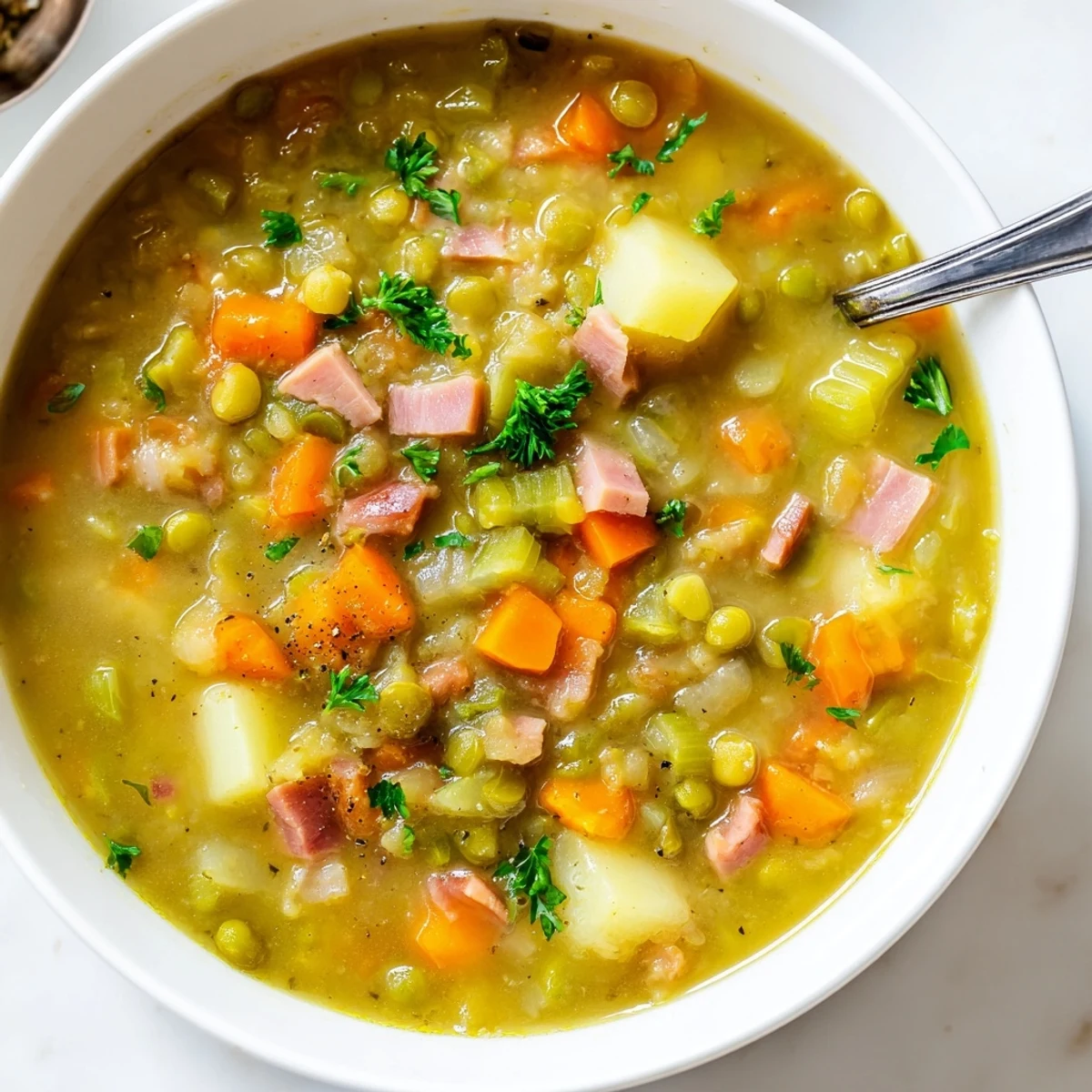
Save This hearty split pea soup delivers rich, comforting flavors in every bowl. Packed with tender split peas, diced vegetables, and aromatic herbs, it simmers to perfection in under two hours. The smoked ham adds depth while keeping it gluten-free and dairy-free. Ideal for meal prep, it thickens beautifully and tastes even better the next day.
There's something deeply satisfying about the way split peas transform from hard little pellets into velvety comfort after a slow simmer. I discovered this on a particularly brutal January afternoon when I came home frozen through and needed something that would warm me from the inside out.
My grandmother kept a ham bone in her freezer specifically for split pea soup, treating it like culinary gold. The first time I tried making it without one, I worried it would lack depth, but the smoked paprika trick I learned from a chef friend saved the day completely.
Ingredients
- 2 cups dried split peas: Rinsing and picking through them feels tedious but trust me, finding a tiny rock in your soup later is worse
- 1 large onion, diced: Sweet onions work beautifully here if that's what you have on hand
- 2 medium carrots, diced: They add natural sweetness that balances the earthy peas perfectly
- 2 celery stalks, diced: Don't skip this aromatic foundation it's what makes the kitchen smell amazing
- 3 cloves garlic, minced: Fresh garlic makes all the difference, don't even think about powder here
- 1 medium Yukon gold potato, peeled and diced: This secret ingredient adds an extra creamy texture without being obvious
- 1 smoked ham hock or 8 oz diced smoked ham: Optional but absolutely worth it if you're not vegetarian
- 8 cups low-sodium chicken or vegetable broth: Homemade is ideal but quality store-bought works perfectly fine
- 1 bay leaf: Remove it before serving unless you want someone to have an unpleasant surprise
- 1 tsp dried thyme: Fresh thyme is lovely but dried works beautifully in long-simmered soups
- 1/2 tsp freshly ground black pepper: Grind it fresh if you can, the aroma alone will convince you
- 1/2 tsp smoked paprika: This is my secret weapon for smoky depth without meat
- 1 tsp salt: Start with less and add more at the end, ham saltiness varies wildly
- 2 tbsp chopped fresh parsley: Adds a bright fresh finish against all that rich earthiness
- 1 tbsp olive oil: Use a decent one here since it's the foundation of your flavor base
Instructions
- Build your flavor foundation:
- Heat olive oil in a large soup pot over medium heat, then add onion, carrots, celery, and a pinch of salt. Sauté for 5 to 7 minutes until the vegetables soften and your kitchen starts smelling incredible.
- Wake up the garlic:
- Stir in the minced garlic and cook for just 1 minute until fragrant. Don't let it brown or it'll turn bitter on you.
- Bring everything together:
- Add the potato, split peas, bay leaf, thyme, black pepper, smoked paprika, and ham hock if using. Pour in the broth and give everything a good stir to combine.
- Let it work its magic:
- Bring to a boil, then reduce heat to low and simmer uncovered for 1 to 1.5 hours. Stir occasionally and watch in wonder as the soup transforms into something thick and velvety.
- Finish with finesse:
- Remove the ham hock, shred any meat, and return it to the pot. Fish out and discard the bay leaf.
- Make it your own:
- Taste and adjust salt as needed. For a smoother texture, mash some peas against the side of the pot or use an immersion blender for a partially pureed soup.
- Serve it up:
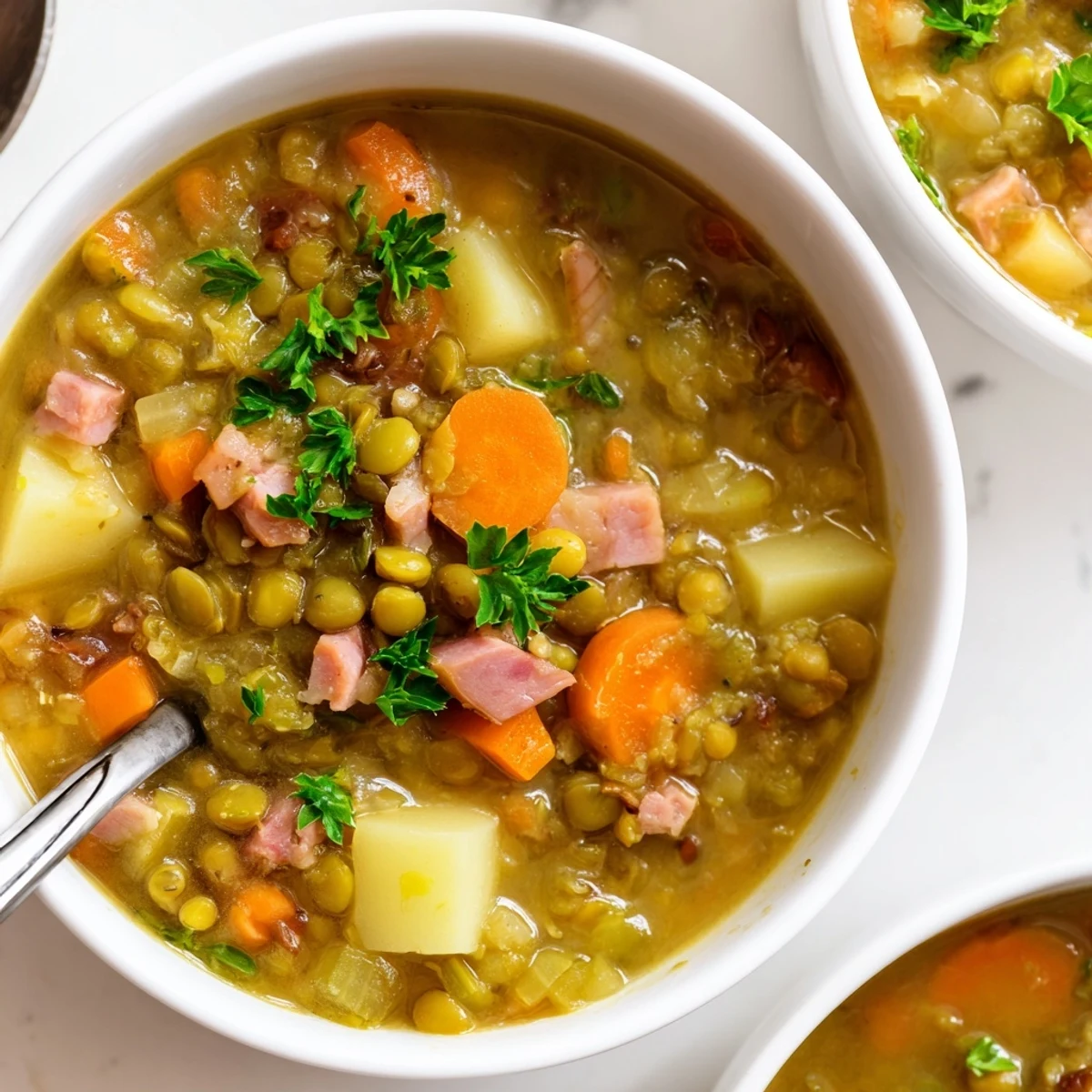
- Ladle into bowls, sprinkle with fresh parsley, and serve piping hot with good crusty bread.
 Save
Save The first time I served this at a dinner party, my friend Sarah sat in comfortable silence for five minutes straight before looking up and admitting she'd been skeptical about pea soup her whole life. That quiet moment of someone discovering they actually love something they thought they hated is exactly why I keep cooking.
Making It Your Own
I've made this soup countless ways over the years. Sometimes I add diced pancetta instead of ham hock for a different kind of smokiness. Other times I throw in a handful of spinach at the very end just for color and extra nutrients. The recipe is wonderfully forgiving once you understand the basic mechanics.
Texture Talk
Some people love completely smooth split pea soup, while others want to see and feel the individual peas. I've found the sweet spot is partially mashing about a third of the soup, leaving plenty of texture intact. An immersion blender makes this effortless, but a potato masher works beautifully too.
The Bread Factor
Never underestimate what the right bread can do for this soup. A crusty sourdough, warm cornbread, or even simple dinner rolls turn this from a meal into an experience. I once served it with garlic knots and my husband declared it the best dinner of the year.
- Toast your bread slices for extra texture contrast against the creamy soup
- Rub a raw garlic clove over warm bread for an aromatic kick
- Keep some bread on the table for that final swipe of the bowl
 Save
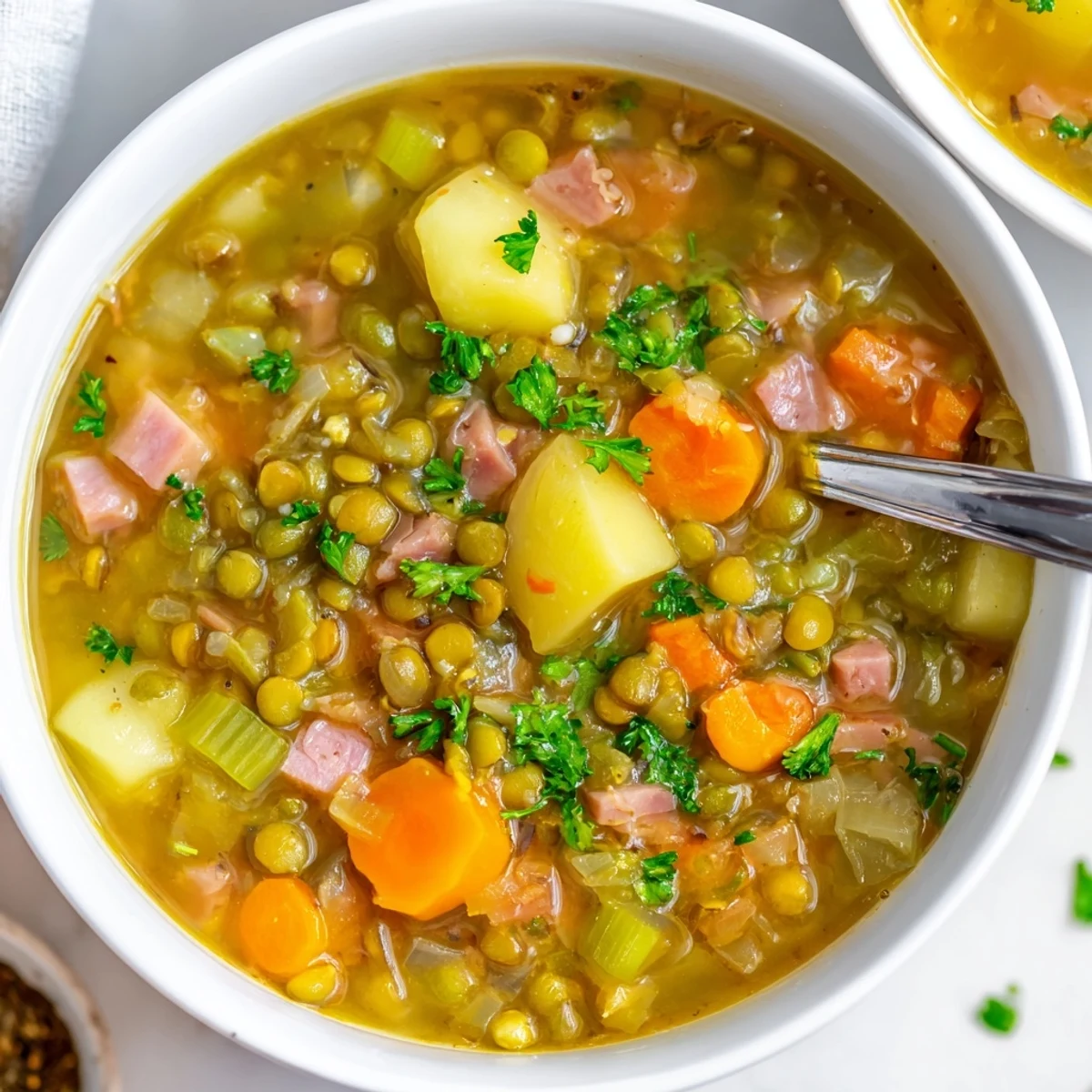
Save There's quiet poetry in taking something as humble as dried peas and turning it into a meal that makes people close their eyes in pure enjoyment.
Common Recipe Questions
- → How long does split pea soup need to cook?
-
Split peas require approximately 1 to 1.5 hours of simmering to become tender and achieve the desired creamy texture. Stir occasionally to prevent sticking.
- → Do I need to soak split peas before cooking?
-
No soaking is required for split peas. Unlike dried beans, they naturally soften during the simmering process, making this soup convenient to prepare.
- → Can I make this vegetarian?
-
Yes, simply omit the ham hock or smoked ham and use vegetable broth instead of chicken broth. The result remains flavorful and satisfying.
- → Why is my soup too thick?
-
Split peas continue absorbing liquid as they cool. Simply add more broth or water to reach your preferred consistency. This natural thickening creates a rich, hearty texture.
- → How should I store leftovers?
-
Refrigerate in an airtight container for up to 5 days, or freeze for 3 months. The flavors develop beautifully over time, making it ideal for batch cooking.