
 Save
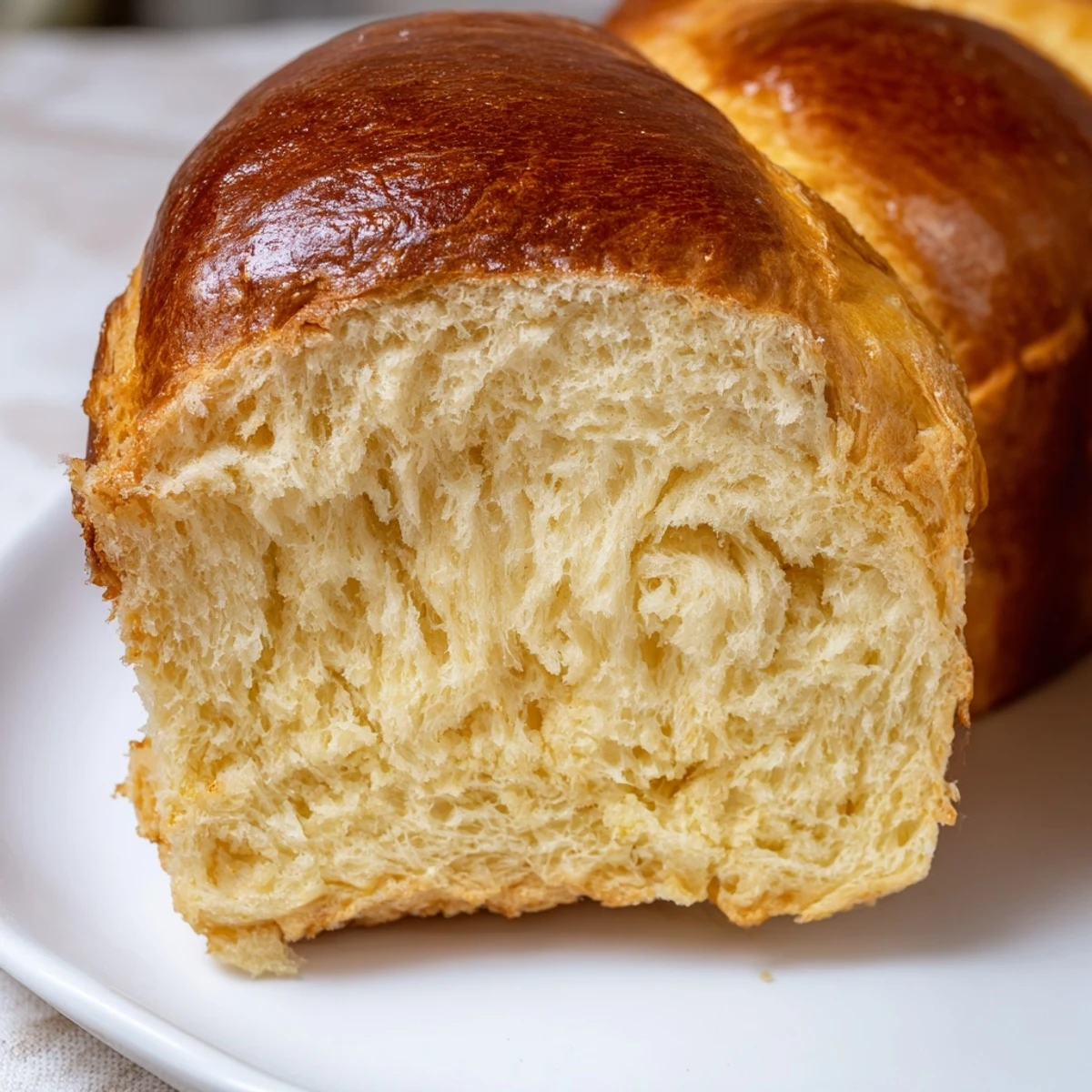
Save This classic French brioche delivers exceptional softness and richness from milk and butter. The dough requires careful kneading to develop gluten before adding butter gradually, resulting in a glossy, elastic texture. After rising twice, the brioche can be braided or baked in a loaf pan, then finished with an egg wash for a beautiful golden crust.
Perfect for breakfast, brunch, or as an indulgent snack, this versatile bread serves well toasted with jam, honey, or transformed into French toast. The rich flavor profile and tender texture make it a standout addition to any meal.
The first time I pulled a brioche from my oven, the entire apartment filled with this buttery, warm sweetness that made my roommate wander in from her room, sleepy-eyed and asking what bakery I'd visited. When I told her I'd made it, she didn't believe me until I showed her the empty mixing bowl and flour-dusted counter. We ate half the loaf standing right there in the kitchen, tearing off pieces while it was still too hot to touch properly, slathering it with salted butter I'd probably softened too much. That's the thing about brioche—it turns ordinary people into those who will burn their fingers for fresh bread.
Last Christmas morning, I made three loaves back to back because my family kept eating them before I could even set them on the brunch table. My dad, who's usually strictly toast-and-eggs about breakfast, took one slice, then another, then asked if I could teach him how to make it. There's something about brioche that feels special without being fussy—the kind of bread that makes people pause and really taste what they're eating.
Ingredients
- All-purpose flour: The structure builder here, giving your brioche enough strength to hold all that butter and eggs
- Instant yeast: Makes everything rise predictably, no proofing needed, just straight into the flour mix
- Room temperature eggs: Cold eggs will shock your dough and mess up the butter incorporation, trust me, I learned this the messy way
- Lukewarm milk: Should feel like a comfortable baby bath, too hot kills yeast, too cold slows everything down
- Softened butter in cubes: The magic ingredient, added gradually so each piece gets fully worked into the dough before the next arrives
- Egg yolk and milk for wash: Creates that gorgeous burnished gold top that makes everyone think you're secretly a professional baker
Instructions
- Mix the dry foundation:
- Combine flour, sugar, yeast, and salt in your stand mixer, giving it a quick whisk so everything's evenly distributed before the wet ingredients join the party.
- Bring it together:
- Add those room temperature eggs and warm milk, mixing on low until you have what looks like a shaggy, unimpressive mess—this is exactly right, keep going.
- Develop the structure:
- Knead on medium speed for five full minutes, watching the dough transform from ragged to smooth, developing the gluten network that will eventually support all that rich butter.
- Introduce the butter gradually:
- Add butter cubes one handful at a time, letting each batch disappear completely before adding more, then knead for ten minutes until your dough is glossy, elastic, and practically hugging itself.
- First rise:
- Shape into a smooth ball, place in a greased bowl, cover, and let it rise in a warm spot until it's doubled in size—about an hour to ninety minutes depending on how cozy your kitchen is.
- Shape your loaf:
- Gently deflate the dough, divide into three equal ropes, braid them together like you're making hair for a very fancy doll, then tuck into your buttered loaf pan.
- Second rise:
- Cover loosely and let it proof for forty-five minutes until it's puffy and doubled, looking like it's ready to burst with anticipation.
- Give it that golden glow:
- Whisk egg yolk with milk and brush it over the top gently, like you're applying a very expensive face cream, being careful not to deflate all that beautiful rise you've built.
- Bake to perfection:
- Bake at 180°C for twenty-five to thirty minutes until it's deeply golden and a skewer comes out clean—your kitchen will smell absolutely incredible by now.
- The hardest part—waiting:
- Let it cool in the pan for ten minutes, then turn it out onto a wire rack to cool completely before slicing, or at least try to, I won't tell anyone if you steal a warm piece first.
 Save
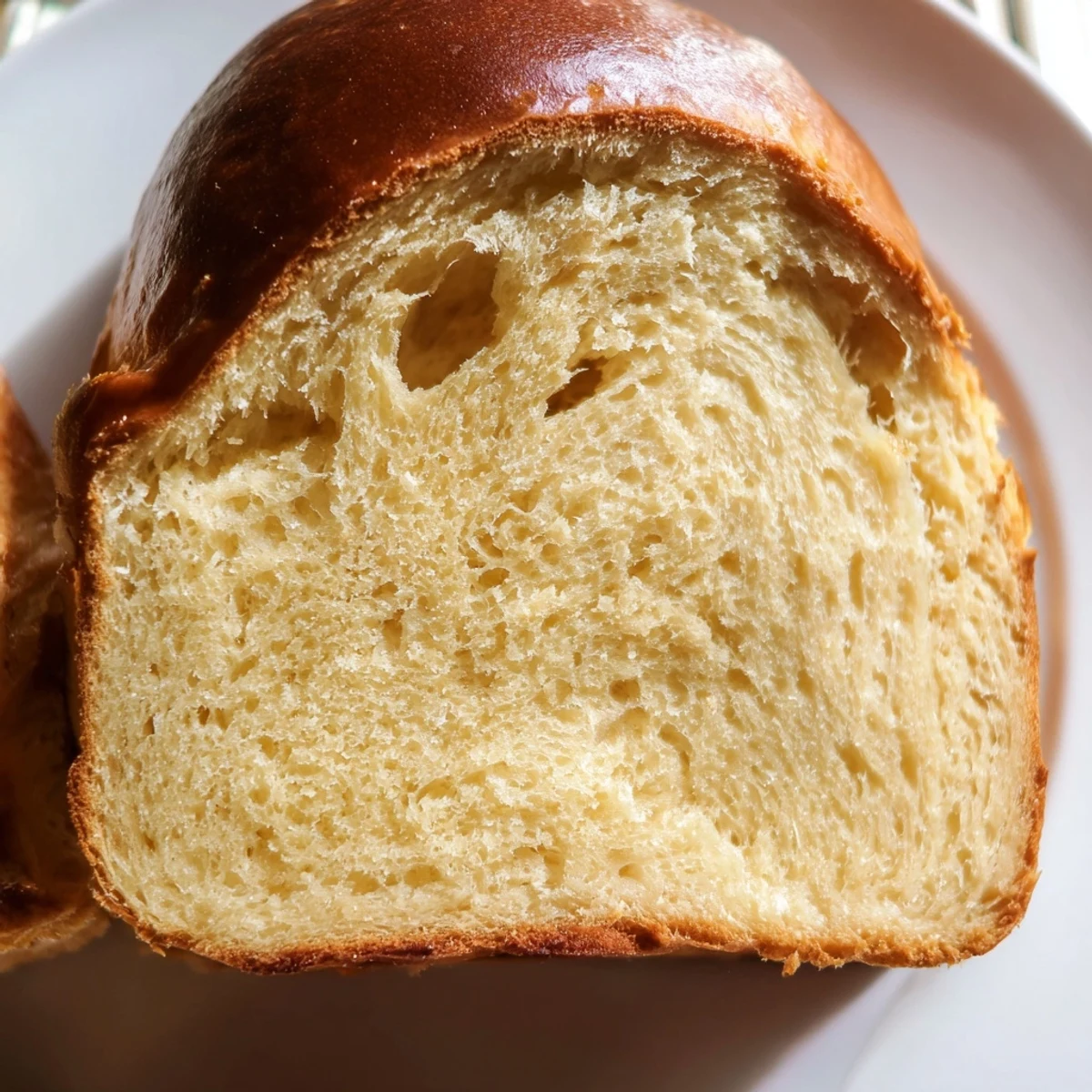
Save My youngest niece calls this 'the cloud bread' because when she presses her finger into it, the dough bounces back like a little pillow. She helped me braid the last loaf I made, her tiny fingers getting sticky with dough, and she was so proud of her slightly lopsided braid that we baked it exactly as she'd shaped it. It was the most beautiful loaf I've ever made.
Making It Your Own
Half the milk can be heavy cream if you're feeling particularly indulgent, or orange zest adds this lovely brightness that cuts through all that richness. Chocolate chips folded in during the last minute of kneading will melt into little pools of chocolate throughout the bread—okay, that one might have happened by accident once, but it was a delicious accident.
Beyond the Fresh Loaf
Day-old brioche makes the most incredible French toast you'll ever eat, or cube and toast it for bread pudding that will ruin you for all other bread puddings forever. I keep a loaf in the freezer, sliced and wrapped individually, for emergency breakfast situations—mostly those mornings when I wake up craving something special but don't have the energy to start from scratch.
The Brioche Mindset
Baking brioche has taught me more about patience than almost anything else in my kitchen. There's something meditative about the slow transformation from rough shaggy dough to glossy elastic perfection, about waiting through two separate rises while your house gradually fills with the promise of something wonderful. It's not a quick bread, but honestly, the best things rarely are.
- Resist the urge to rush the butter incorporation, those ten minutes feel long but they're essential
- A warm draft free spot is crucial for rising, I use my oven with just the light on
- Leftover slices make the best sandwiches, especially with ham and gruyere
 Save
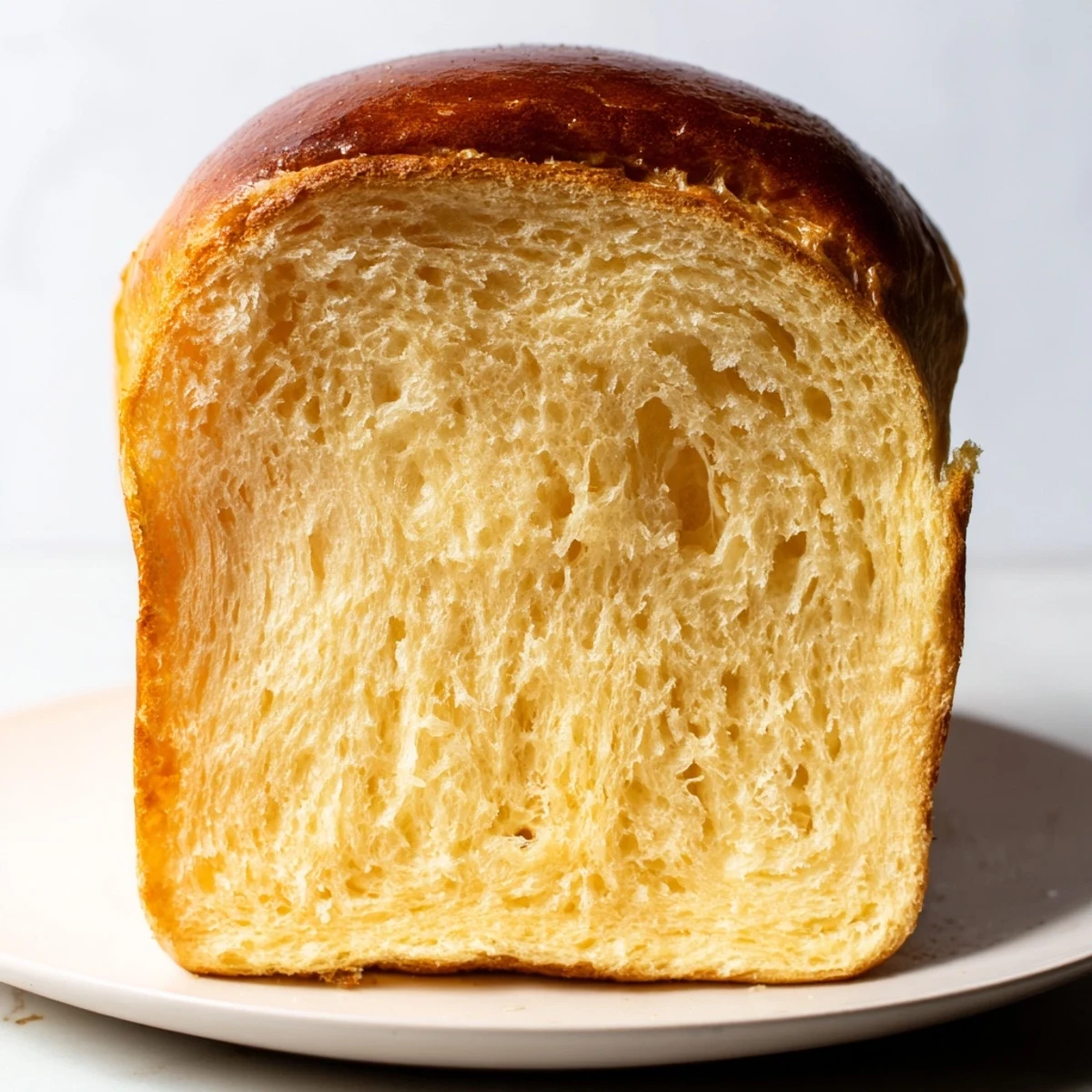
Save There's something deeply satisfying about pulling a golden brioche from the oven, knowing you created something so fundamentally comforting from the simplest ingredients. May your kitchen always smell like butter and patience.
Common Recipe Questions
- → What makes this brioche different from regular bread?
-
The high butter and egg content creates a tender, rich crumb with exceptional softness. The gradual butter incorporation during kneading develops gluten while maintaining a light texture, resulting in the characteristic richness of French brioche.
- → Can I use different types of milk?
-
Whole milk works best for richness, but you can substitute with 2% or even heavy cream for extra indulgence. Avoid skim milk as it won't provide enough fat for the desired texture.
- → Why does the dough need to rise twice?
-
The first rise develops flavor and structure, while the second rise before baking ensures proper oven spring and a light, airy texture. Skipping either rise will result in a dense, heavy loaf.
- → How do I know when it's fully baked?
-
The brioche should be golden brown and sound hollow when tapped. A skewer inserted in the center should come out clean, without any wet dough clinging to it.
- → Can I freeze this bread?
-
Yes, brioche freezes exceptionally well. Cool completely, then slice and store in an airtight container for up to one month. Thaw at room temperature or gently reheat in the oven.