
 Save
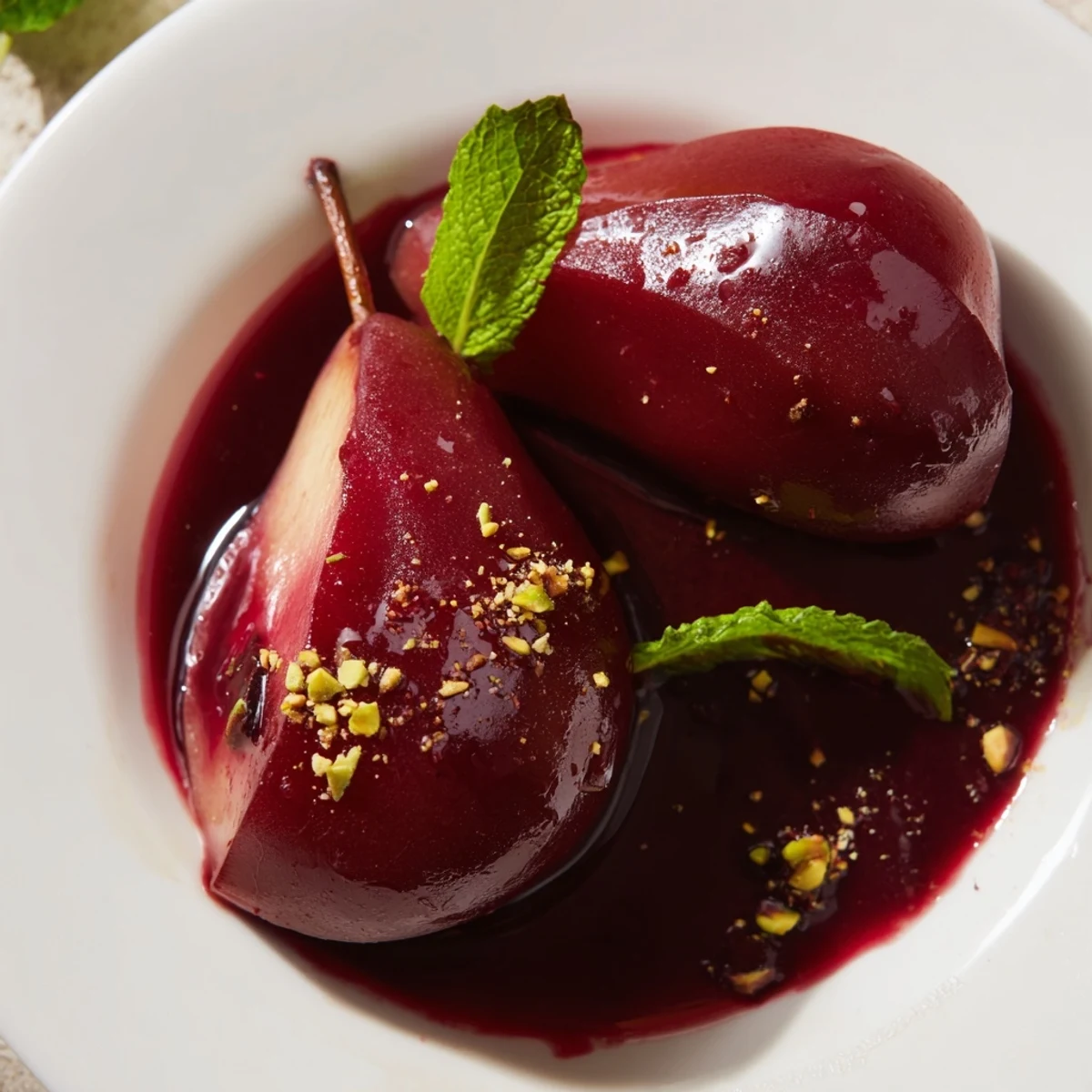
Save Poached pears are carefully simmered in a fragrant grape juice syrup infused with cinnamon, star anise, and lemon zest. The pears become tender yet hold their shape while absorbing the subtly spiced, naturally sweet flavors of the syrup. After cooking, the syrup is reduced to a slightly thick consistency, creating a glossy coating that complements the fruit. Garnishes like fresh mint and toasted nuts add a refreshing crunch and brightness to the dish, making it an elegant dessert option. Served warm or chilled, it pairs beautifully with creamy accompaniments but shines on its own as a delicate treat.
The kitchen filled with this warm spiced aroma that made my apartment feel like a cozy European café on a rainy Sunday afternoon. I had half a bottle of grape juice leftover from a brunch and wondered what would happen if I treated it like wine for poaching. The pears turned this stunning ruby color and tasted like something from a fancy patisserie, except it took almost no effort at all.
I served these at a dinner party last fall when friends were already stuffed from pasta but still wanted something sweet. The pears felt light and refreshing yet indulgent, and everyone kept asking what restaurant they came from. Watching people close their eyes and make happy noises after that first bite told me I had found something special.
Ingredients
- 4 ripe but firm pears: Bosc or Anjou work beautifully because they hold their shape while becoming tender
- 750 ml red grape juice: The natural grape sweetness creates a complex syrup without needing much added sugar
- 60 g granulated sugar: Just enough to balance the tartness and help the syrup coat the pears
- 1 cinnamon stick: Warm spice that pairs perfectly with both pears and grape
- 1 star anise: Adds a subtle licorice note that makes the flavor feel sophisticated
- 1 strip lemon zest: Brightens everything and keeps the syrup from becoming too cloying
Instructions
- Build your spiced syrup base:
- Pour the grape juice into a large saucepan and add the sugar, cinnamon stick, star anise, and lemon zest. Bring it to a gentle simmer over medium heat, stirring occasionally until all the sugar has dissolved into the juice.
- Add the pears:
- Carefully lower the pear halves into the simmering syrup, cut side down if possible. Arrange them so they are mostly submerged in the liquid to ensure even cooking and that beautiful ruby color.
- Gently poach until tender:
- Let the pears simmer for 20 to 25 minutes, turning them carefully halfway through. You want them tender enough to easily pierce with a knife but still holding their shape completely.
- Concentrate the syrup:
- Lift the pears out with a slotted spoon and set them aside on a plate. Turn up the heat under the syrup and let it bubble for 5 to 10 minutes until it has reduced and thickened slightly.
- Combine and cool:
- Discard the spices and zest, then return the pears to the syrup. Let everything cool to room temperature together, allowing the flavors to deepen, or refrigerate until ready to serve.
 Save
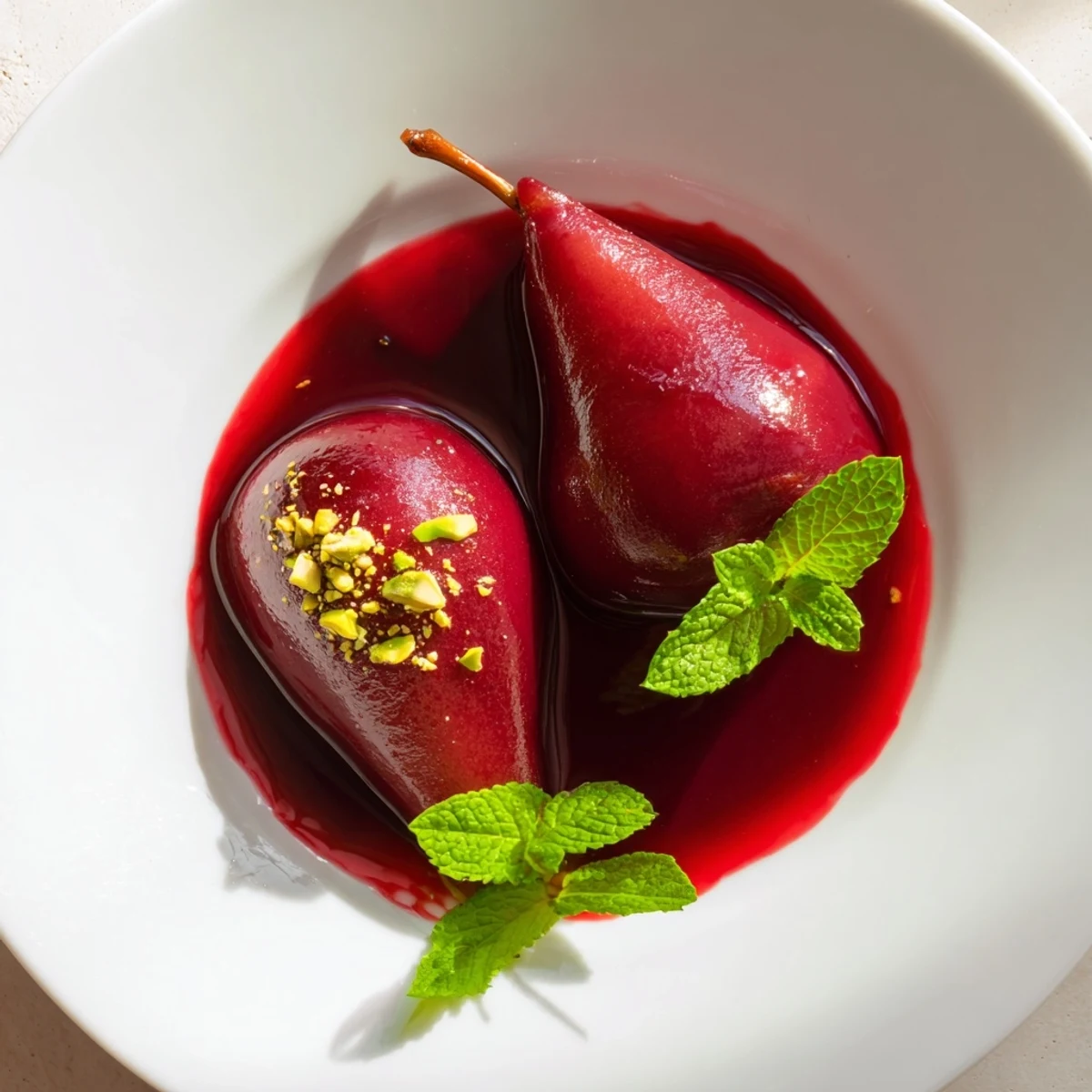
Save My mother called me while these were cooling on the counter and immediately asked what I was baking because it smelled like a fancy bakery. When I told her it was just grape juice and pears, she refused to believe me until she came over and tasted them herself. Now she makes them whenever she wants to impress dinner guests without actually working hard.
Choosing the Right Pears
I have learned through some mushy disasters that pear selection matters more than almost anything else. The fruit should be ripe enough to have developed sweetness but still firm enough to maintain its structure during the long simmer. Bosc pears are my go to because they have such a elegant shape and reliably dense flesh that holds up beautifully.
Serving Temperature Magic
These pears are remarkable because they taste completely different depending on how you serve them. Warm from the poaching liquid, they feel comforting and homey with this intense spiced fragrance that fills the room. Chilled overnight in the refrigerator, the flavors mellow and the texture becomes somehow more luxurious, almost like a fine European dessert you would order at the end of a long meal.
Make It Your Own
Once you have the basic technique down, the variations are endless and fun to experiment with for different occasions.
- Add a splash of vanilla extract or a few whole cloves for deeper warmth
- Substitute white grape juice if you prefer a lighter, more delicate appearance
- Try adding a cardamom pod for an exotic twist that surprises people
 Save
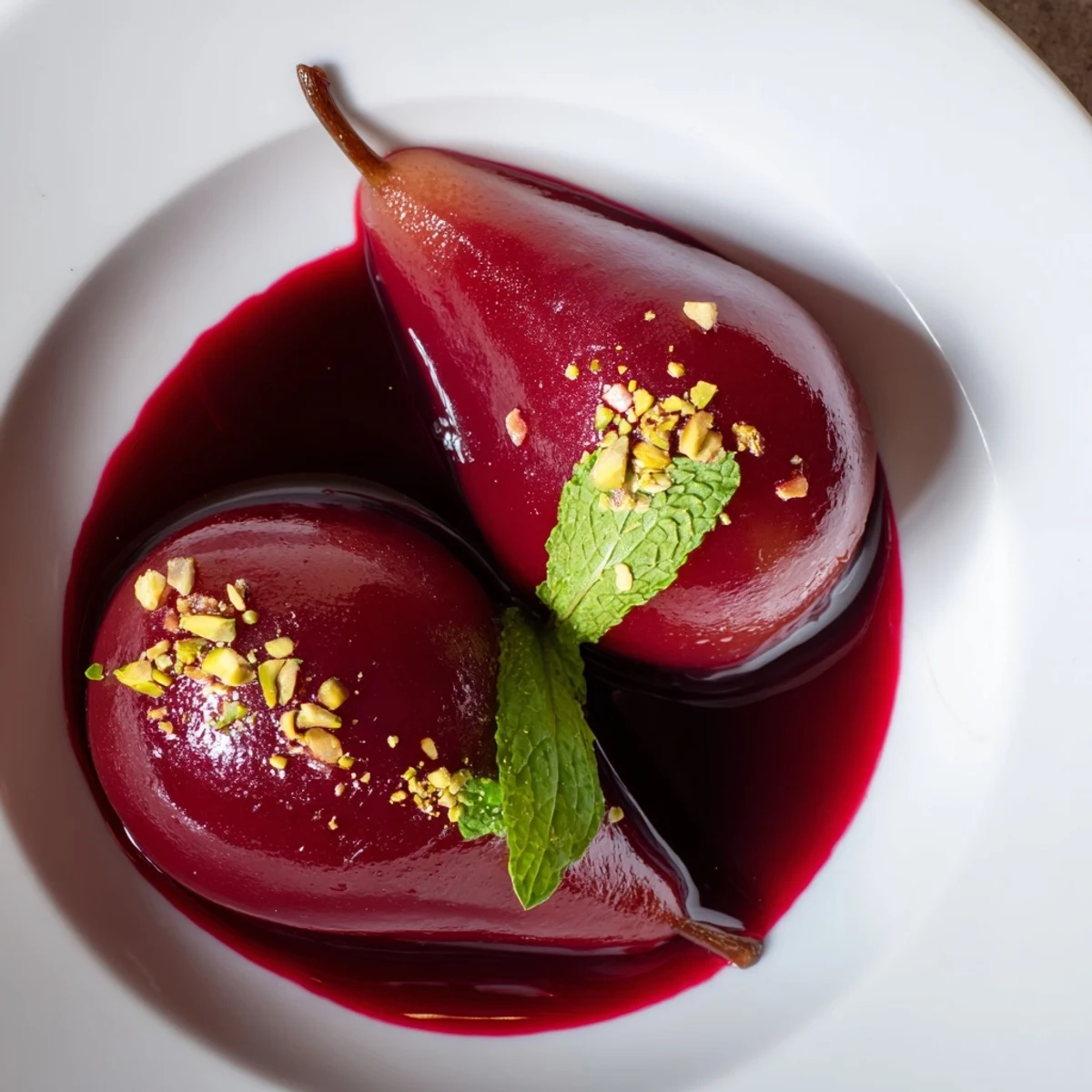
Save There is something deeply satisfying about turning simple ingredients into something that feels this special and elegant. Every time I make these, I am reminded that the best desserts often come from the simplest ideas executed with care.
Common Recipe Questions
- → What type of pears work best for poaching?
-
Firm, ripe pears such as Bosc or Anjou hold their shape well and absorb flavors without becoming mushy.
- → Can other juices be used instead of grape juice?
-
Yes, white grape juice or even apple juice can be substituted for a lighter or different flavor profile.
- → How do the spices affect the final flavor?
-
Cinnamon and star anise infuse the syrup with warm, aromatic notes that complement the natural sweetness of the pears.
- → Is it necessary to peel the pears before cooking?
-
Peeling helps the syrup penetrate and gives a smoother texture, but leaving skins on adds color and nutrients.
- → How should the dish be served?
-
It can be enjoyed warm, room temperature, or chilled, garnished with fresh mint and nuts for contrast.