
 Save
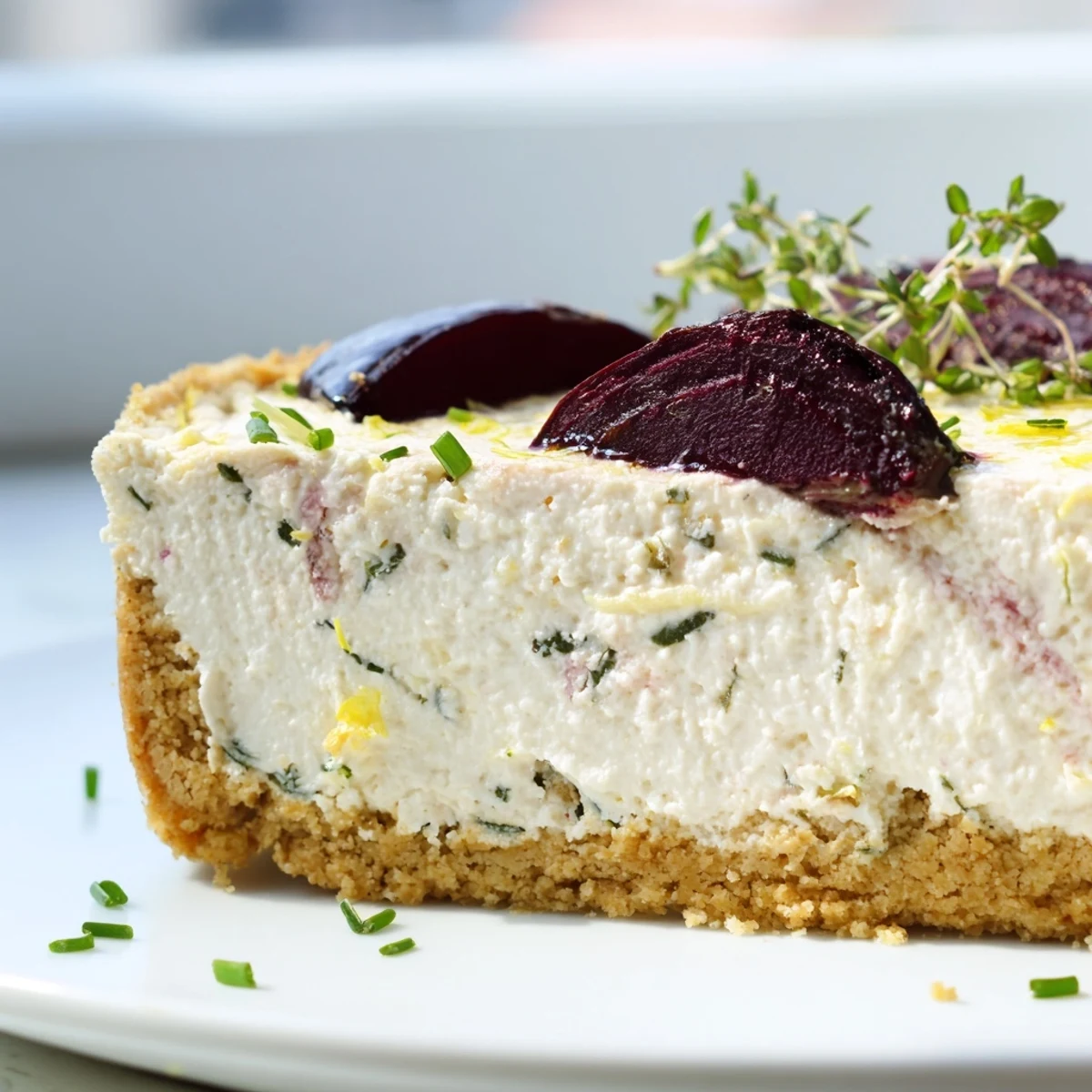
Save This savoury cheesecake combines the creamy richness of cream cheese, ricotta, and aged cheddar with a crisp wholemeal cracker crust. The filling is enhanced with fresh thyme and lemon zest for brightness. Sweet, caramelized roasted beetroot wedges provide a beautiful color contrast and balance the richness perfectly. Finished with fresh chives and a drizzle of olive oil, it makes an impressive starter or light main course that's sure to impress guests.
The first time I served this at a dinner party, my guests looked genuinely confused when I placed a cheesecake on the table as an appetizer. Then they took that first bite and the room went quiet and curious. The revelation that cheesecake could be savory changed everything I thought about first courses.
Last autumn I made this for my sister who claims to despise beetroots. She watched suspiciously as I arranged those jewel toned wedges on top. Later she texted me asking for the recipe because she had been dreaming about it.
Ingredients
- Wholemeal crackers: These create a nutty foundation that holds up beautifully against the rich filling and adds essential structure
- Unsalted butter: Melt this completely and let it cool slightly so it binds the crumbs without making them soggy
- Cream cheese: Absolutely must be room temperature or you will end up with lumps that no amount of mixing can fix
- Ricotta cheese: This lightens the texture and adds that Italian dairy sweetness that balances the sharper aged cheese
- Mature cheddar or Gruyère: The aged cheese brings the deep savory notes that make this unmistakably a main course and not dessert
- Fresh thyme leaves: Strip these backwards against the stem to get the tender leaves and avoid any woody stems
- Lemon zest: Use a microplane if you have one to get just the bright yellow oils and none of the bitter white pith
- Beetroots: Peel these carefully so you do not remove too much flesh and cut them into even wedges for uniform roasting
- Balsamic vinegar: This caramelizes in the oven and creates those sticky sweet notes that contrast the earthy beets
Instructions
- Prepare the crust foundation:
- Blitz the crackers until they resemble fine sand then stir in melted butter and sea salt until everything is evenly moistened. Press this mixture firmly into the bottom of your springform pan using the back of a spoon to create an even compacted layer.
- Bake the crust:
- Slide the pan into a 180°C oven for exactly 10 minutes until the crust is set and beginning to turn golden at the edges. Let it cool completely while you prepare the filling because a hot crust will make the cheese seize up.
- Blend the cheese filling:
- Beat the cream cheese ricotta and grated cheese together until completely smooth with no remaining lumps. Add the eggs one at a time letting each fully incorporate before adding the next to prevent overworking the mixture.
- Add the aromatics:
- Fold in the fresh thyme leaves lemon zest black pepper and salt until everything is evenly distributed. The mixture should be smooth glossy and thick enough to hold its shape when dolloped.
- Bake until gently set:
- Pour the filling over your cooled crust and smooth the top then bake for 40 to 45 minutes. The center should still have a slight wobble when you gently shake the pan because it will continue cooking as it cools.
- Chill completely:
- Let the cheesecake cool to room temperature on a wire rack then refrigerate for at least 2 hours though overnight is even better. The flavor develops and the texture becomes beautifully firm.
- Roast the beetroot:
- Toss the beet wedges with olive oil balsamic vinegar salt and pepper until every piece is coated. Spread them in a single layer on a baking tray and roast at 200°C for 30 to 35 minutes until tender and caramelized at the edges.
- Assemble and serve:
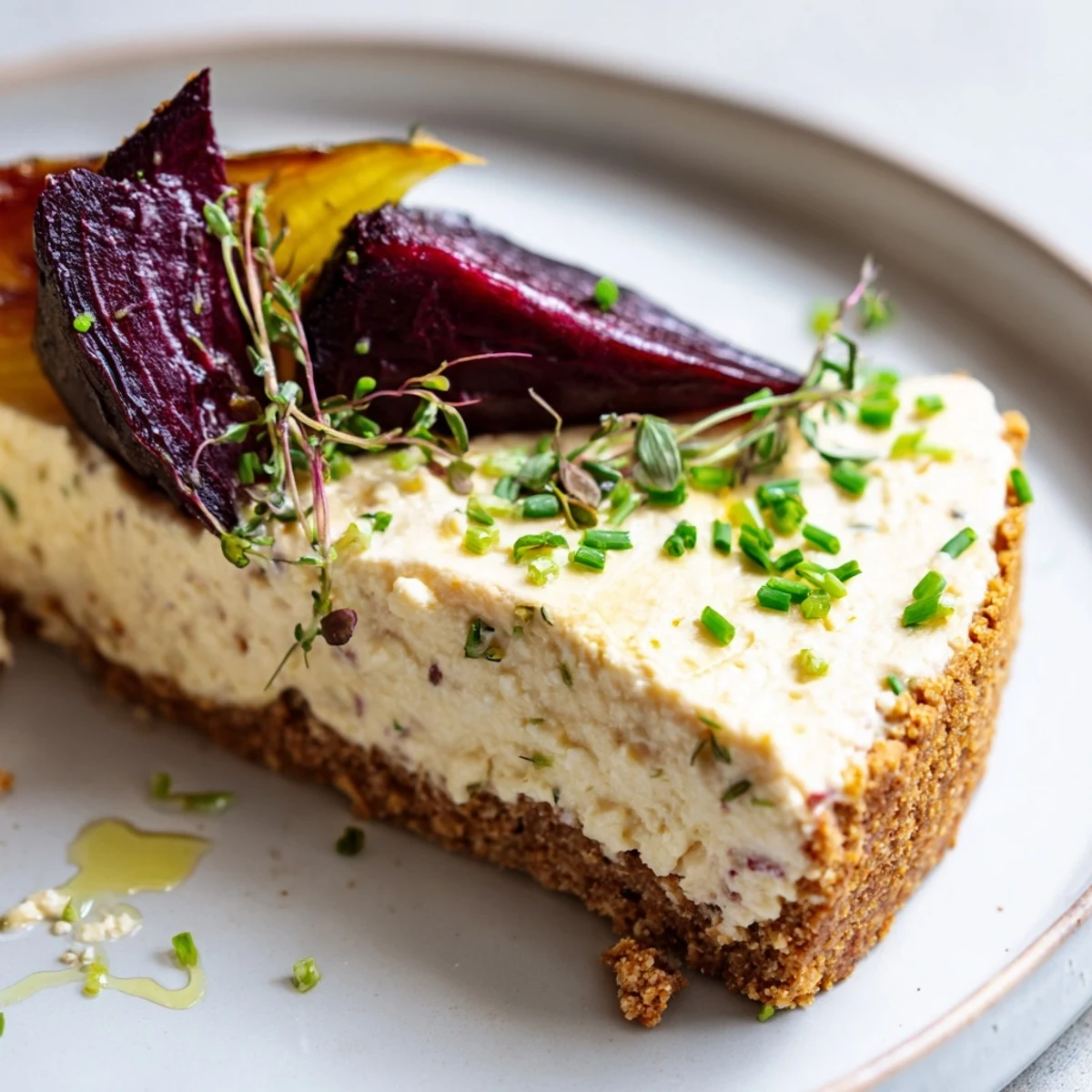
- Release the cheesecake from the springform pan and arrange the roasted beetroot wedges on top. Scatter fresh chives and microgreens over the surface then finish with a generous drizzle of extra virgin olive oil just before serving.
 Save
Save This became my go to contribution for potluck dinners because it travels beautifully and always sparks conversation. There is something magical about serving something so unexpected that looks this stunning on a platter.
Making It Ahead
The cheesecake base can be made two days in advance and kept tightly wrapped in the refrigerator. The beetroot is best roasted the same day you plan to serve but can be prepared up to 4 hours ahead and kept at room temperature.
Getting The Perfect Wobble
I have learned that when I check the cheesecake after 40 minutes the center should still jiggle like gelatin when I gently tap the side of the pan. If it is completely firm in the center I have overbaked it and the texture will be dense rather than creamy.
Serving Suggestions
This works beautifully as a light main course with a simple green salad dressed in vinaigrette or cut into smaller wedges as an impressive starter. The richness means a little goes a long way so plan on about six generous servings.
- Let the cheesecake sit at room temperature for 20 minutes before serving for the best texture
- Use the sharpest knife you have and wipe it clean between slices for neat portions
- The beetroot can be served warm or at room temperature depending on your preference
 Save
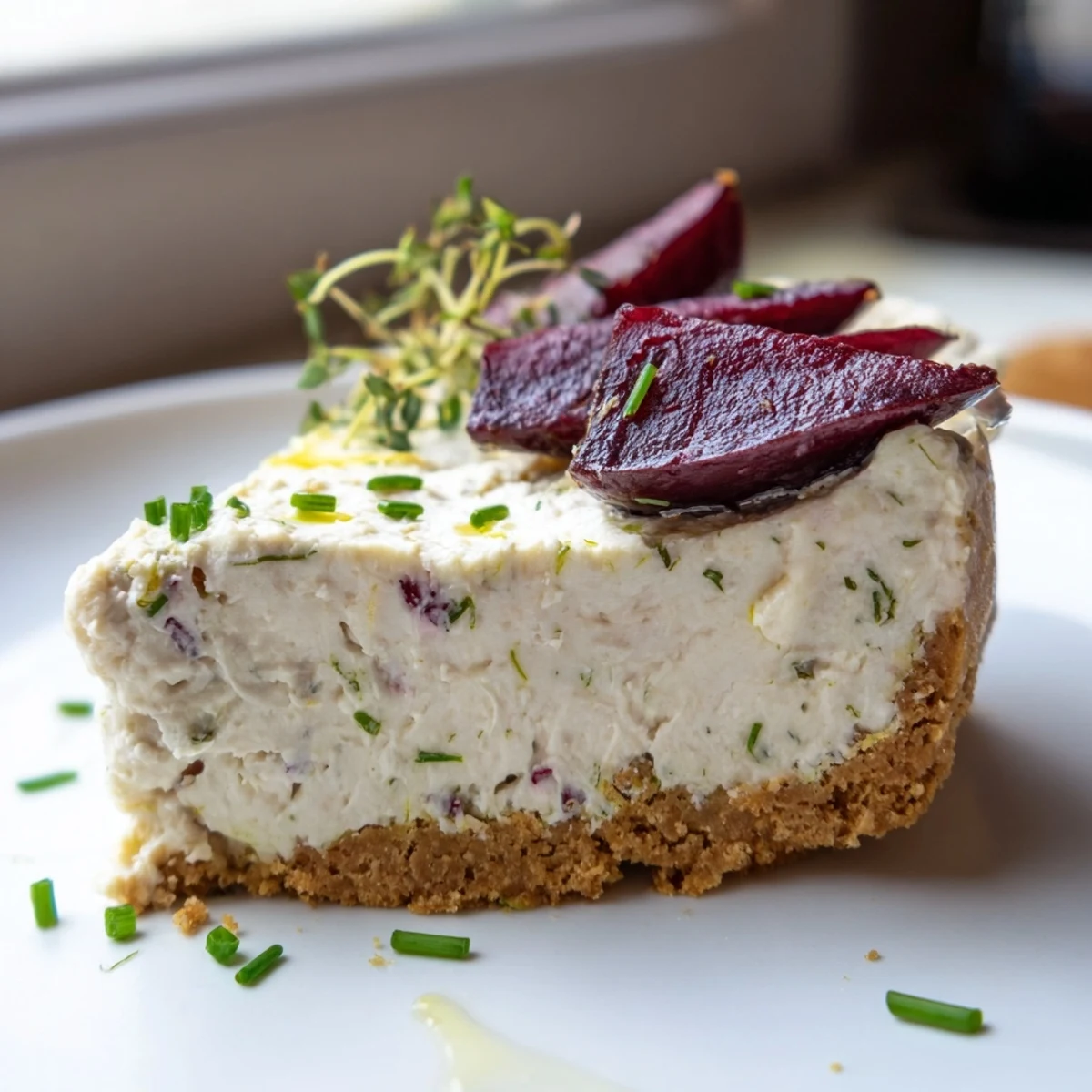
Save Watch people is faces when they realize cheesecake does not always have to be sweet. That moment of discovery is exactly why cooking feels like magic.
Common Recipe Questions
- → Can I make this cheesecake ahead of time?
-
Yes, this cheesecake actually benefits from being made ahead. It needs to chill for at least 2 hours, but preferably overnight. This allows the flavors to develop and the texture to set properly. You can roast the beetroot up to 2 days in advance and store them in the refrigerator.
- → What can I use instead of crackers for the crust?
-
You can use gluten-free crackers for a GF version, or substitute with almond flour mixed with melted butter for a low-carb alternative. Some chefs use toasted breadcrumbs mixed with herbs, or even crushed pretzels for extra saltiness and crunch.
- → Can I substitute the beetroot with other vegetables?
-
Absolutely. Roasted red peppers, caramelized onions, or roasted tomatoes work beautifully. For autumn, try roasted butternut squash or pumpkin. The key is choosing vegetables that roast well and provide a sweet contrast to the savory, creamy cheesecake.
- → Why did my cheesecake crack on top?
-
Cracking usually happens from overbaking or cooling too quickly. Make sure to remove it from the oven when the center still has a slight wobble. Let it cool gradually in the oven with the door slightly open, or at room temperature before refrigerating.
- → How should I store leftovers?
-
Store the cheesecake covered in the refrigerator for up to 4 days. Keep the roasted beetroot separate and add them just before serving, as they can make the crust soggy. The cheesecake also freezes well for up to 2 months—wrap tightly in plastic and foil.
- → Can I use different cheeses in the filling?
-
Yes, the cheese blend is flexible. Goat cheese adds tanginess, Parmesan brings umami depth, or try blue cheese for a bold version. Keep the cream cheese as the base for structure, but experiment with different combinations to find your preferred flavor profile.