
 Save
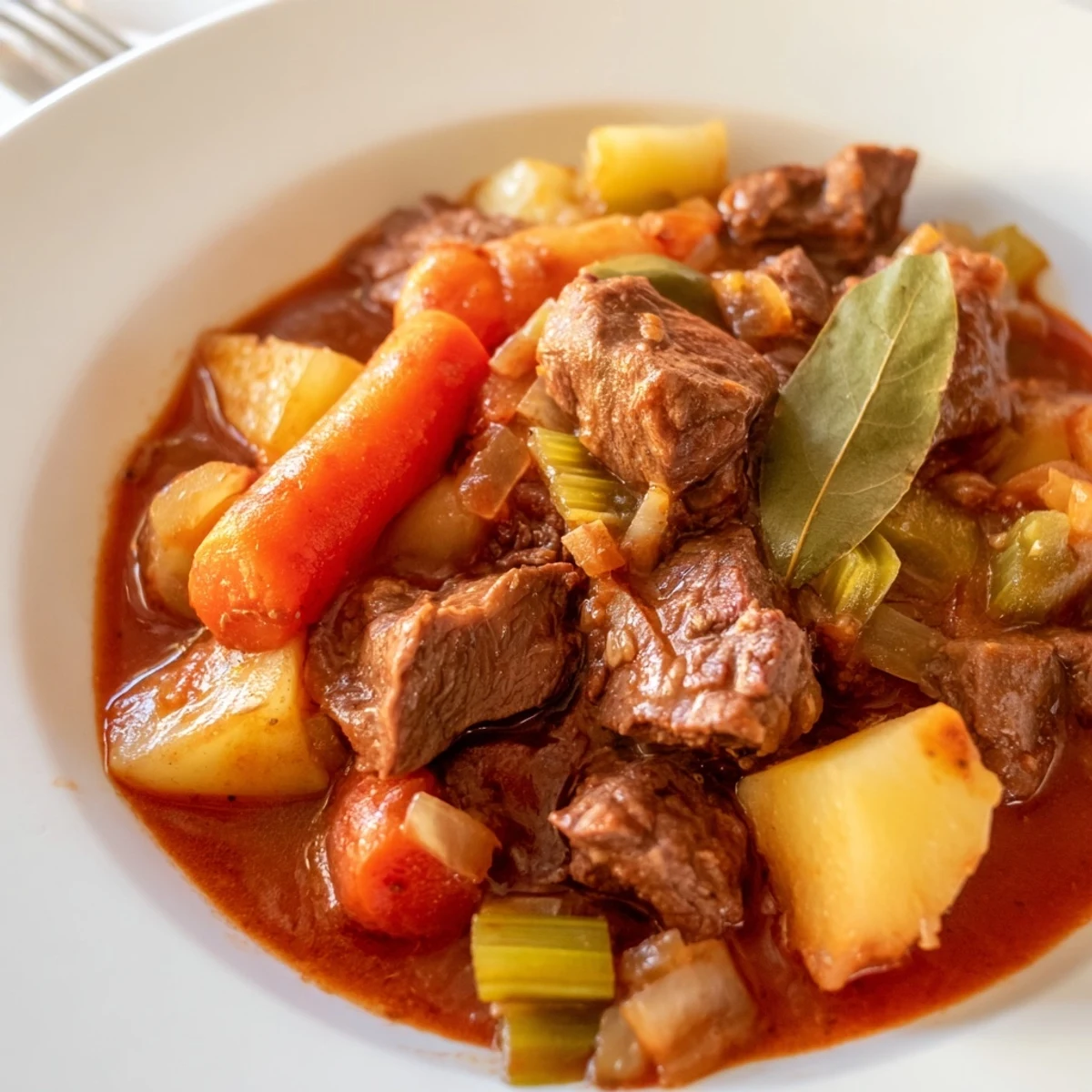
Save This classic Italian dish features beef chuck cubes slowly braised for over two hours with onions, carrots, celery, and potatoes in a rich red wine and beef stock sauce. Aromatic herbs like rosemary, thyme, and bay leaves infuse deep flavors, while tomato paste adds depth and color. The long, gentle cooking time transforms tough cuts into melt-in-your-mouth tender meat swimming in a thick, flavorful sauce perfect for soaking up with crusty bread.
The window was fogged up from a pot that had been simmering for hours, and my kitchen smelled like a trattoria I once visited in Florence on a rainy October afternoon. That was the spezzatino talking. It was the kind of dish that made me slow down and stop checking my phone, because something about browning meat in olive oil demands your full attention.
I made this for my neighbor Marco once when he was going through a rough patch and he stood in my doorway holding the bowl with both hands, not saying anything for a long time. He came back three days later asking if there was any left. There was.
Ingredients
- 800 g beef chuck cut into 3 cm cubes: Chuck has the right balance of fat and connective tissue that melts during the long braise and keeps everything tender.
- 2 medium onions finely chopped: Onions form the sweet base of the entire dish so do not rush them.
- 2 carrots sliced: They add a subtle sweetness that balances the acidity of the wine and tomato.
- 2 celery stalks sliced: Celery brings an earthy depth that you will miss if you skip it.
- 2 medium potatoes peeled and cubed: These thicken the broth naturally as they break down during cooking.
- 2 garlic cloves minced: Fresh garlic only and added late so it does not burn and turn bitter.
- 250 ml dry red wine: Use something you would actually drink because you will taste it in every bite.
- 500 ml beef stock: A good quality stock makes a huge difference here since the liquid reduces significantly.
- 2 tbsp tomato paste: This small amount adds deep umami richness without making it taste like a tomato sauce.
- 2 tbsp olive oil: A generous pour for browning the meat properly.
- 2 bay leaves: Do not forget to remove them before serving as they are not pleasant to bite into.
- 1 sprig fresh rosemary: Fresh rosemary is nonnegotiable here as dried cannot replicate its piney warmth.
- 1 tsp dried thyme: A quiet background herb that ties everything together without demanding attention.
- Salt and freshly ground black pepper to taste: Season in layers throughout cooking for the best result.
Instructions
- Give the meat some color:
- Heat the olive oil in a large heavy pot over medium high heat and brown the beef in batches so each cube gets a deep golden crust on all sides. Do not crowd the pot or the meat will steam instead of sear and you will lose that incredible flavor foundation.
- Build the vegetable base:
- Lower the heat and toss in the onions, carrots, and celery, stirring and scraping up every browned bit stuck to the bottom because that is where the flavor lives. Let them soften for about five minutes until the onions turn translucent and your kitchen starts to smell like something wonderful is happening.
- Wake up the garlic and tomato:
- Stir in the minced garlic and tomato paste and cook for two minutes until everything turns fragrant and slightly darker in color.
- Let the wine do its thing:
- Pour in the red wine and scrape the bottom of the pot with your wooden spoon while the wine reduces by half. This takes about five minutes and the alcohol smell will fade into something rich and almost sweet.
- Bring it all together:
- Return the browned beef to the pot and add the potatoes, beef stock, bay leaves, rosemary sprig, thyme, salt, and pepper. Give everything a gentle stir so the liquid covers most of the meat.
- Let time do the work:
- Bring the pot to a gentle simmer then cover it and reduce the heat to low. Let it cook for two hours, stirring once in a while, until the beef falls apart when you press it with a fork and the sauce coats the back of a spoon.
- Finish and taste:
- Fish out the bay leaves and the rosemary sprig, then taste the sauce and adjust the salt and pepper as needed before serving.
 Save
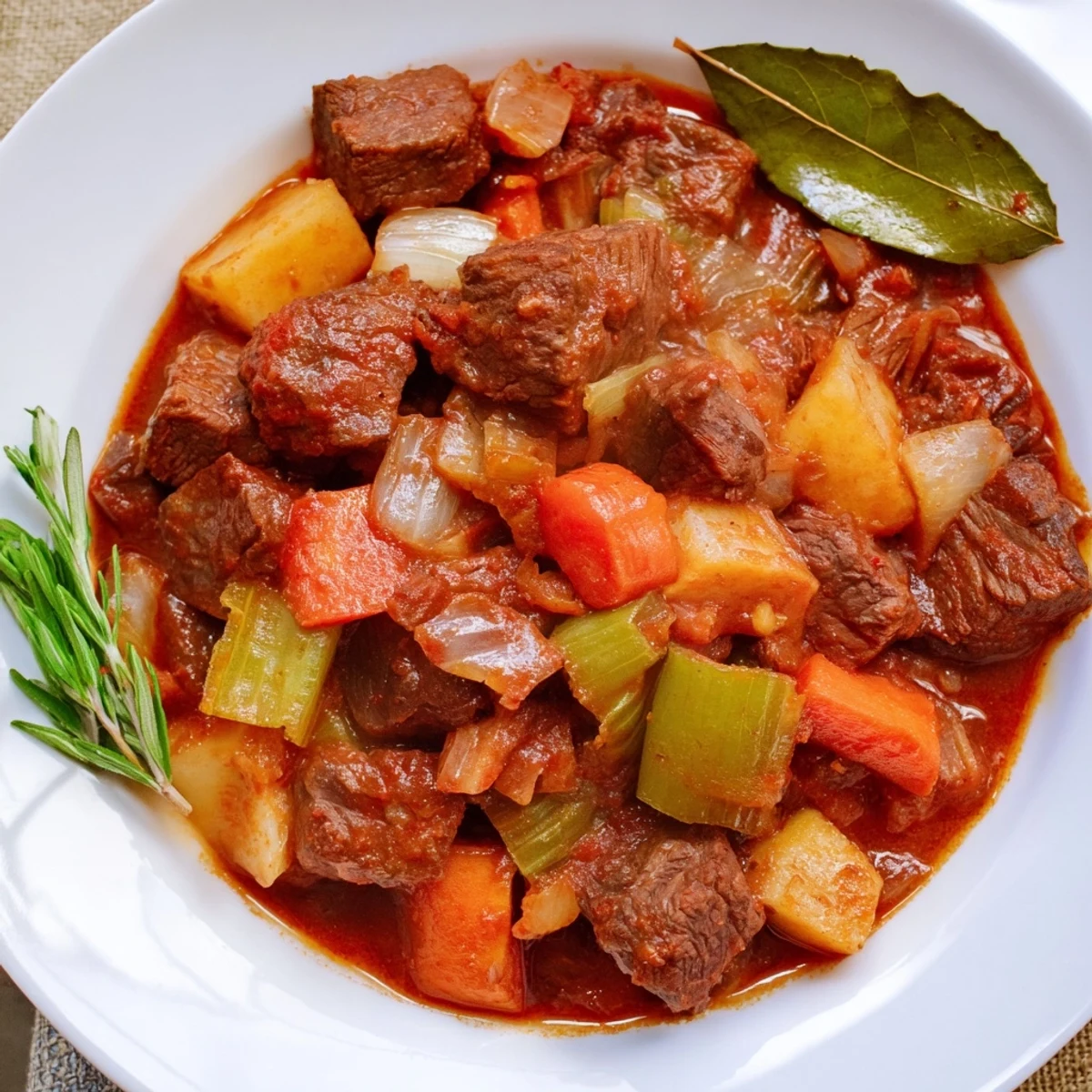
Save One winter evening I ladled this over soft polenta for friends gathered around my small kitchen table and nobody spoke for ten minutes. That is the highest compliment a stew can receive.
What to Serve Alongside
Rustic bread is the easiest companion and honestly my favorite because you need something to drag through that sauce. Polenta is the more traditional Italian choice and its creaminess pairs beautifully with the richness of the beef. Either way, make sure there is something to soak up every last bit.
Making It Your Own
A splash of balsamic vinegar added with the wine transforms the flavor in a way that surprised me the first time I tried it on a whim. You could also toss in a handful of peas during the last ten minutes for a pop of green sweetness. Peperonata or roasted peppers folded in at the end add a lovely smoky note.
A Few Final Thoughts
This stew rewards patience more than skill, which is what makes it such a reliable dish to have in your back pocket. It tastes better on day two, so consider making it the night before if you are serving guests.
- Let the stew cool completely before refrigerating so it reheats evenly.
- A Dutch oven is ideal but any heavy pot with a tight lid will work.
- Always taste and reseason after reheating because cold dulls the salt perception.
 Save
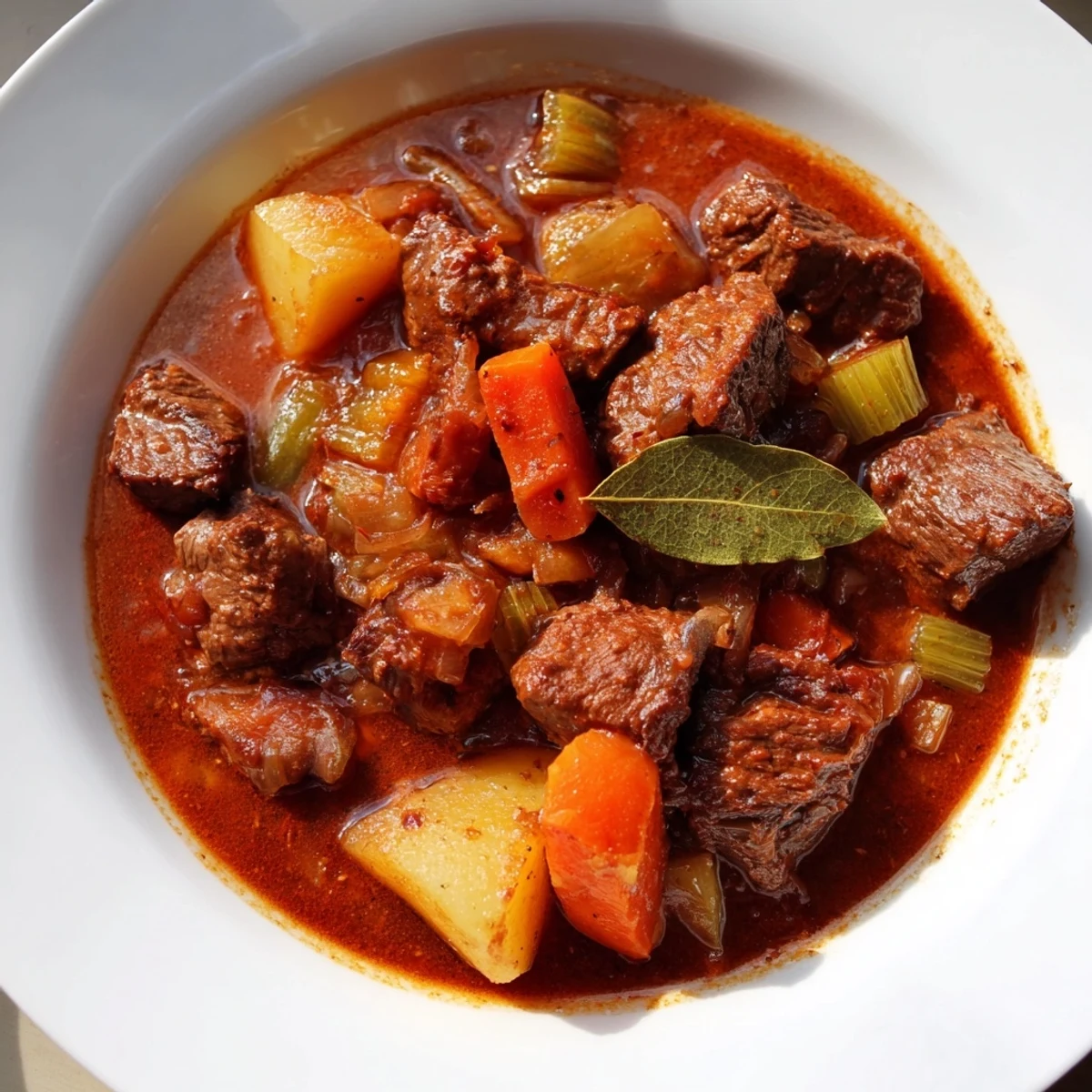
Save Some dishes feed you and some dishes remind you why you love cooking. This one does both.
Common Recipe Questions
- → What cut of beef works best?
-
Beef chuck is ideal for this dish as it becomes tender and flavorful during long braising. Look for well-marbled pieces with good fat content for the best results.
- → Can I make this ahead of time?
-
Yes, preparing it a day in advance actually improves the flavors. The beef absorbs more of the sauce and the tastes meld together beautifully overnight in the refrigerator.
- → What should I serve with this?
-
Rustic bread, polenta, or mashed potatoes are classic accompanients. The thick sauce is perfect for soaking up with crusty bread or drizzling over soft polenta.
- → How do I store leftovers?
-
Store in an airtight container in the refrigerator for up to 3-4 days. The flavors continue to develop. Reheat gently on the stovetop, adding a splash of stock if needed.
- → Can I freeze this dish?
-
Yes, it freezes beautifully for up to 3 months. Cool completely, portion into freezer-safe containers, and thaw overnight in the refrigerator before reheating slowly on the stove.