
 Save
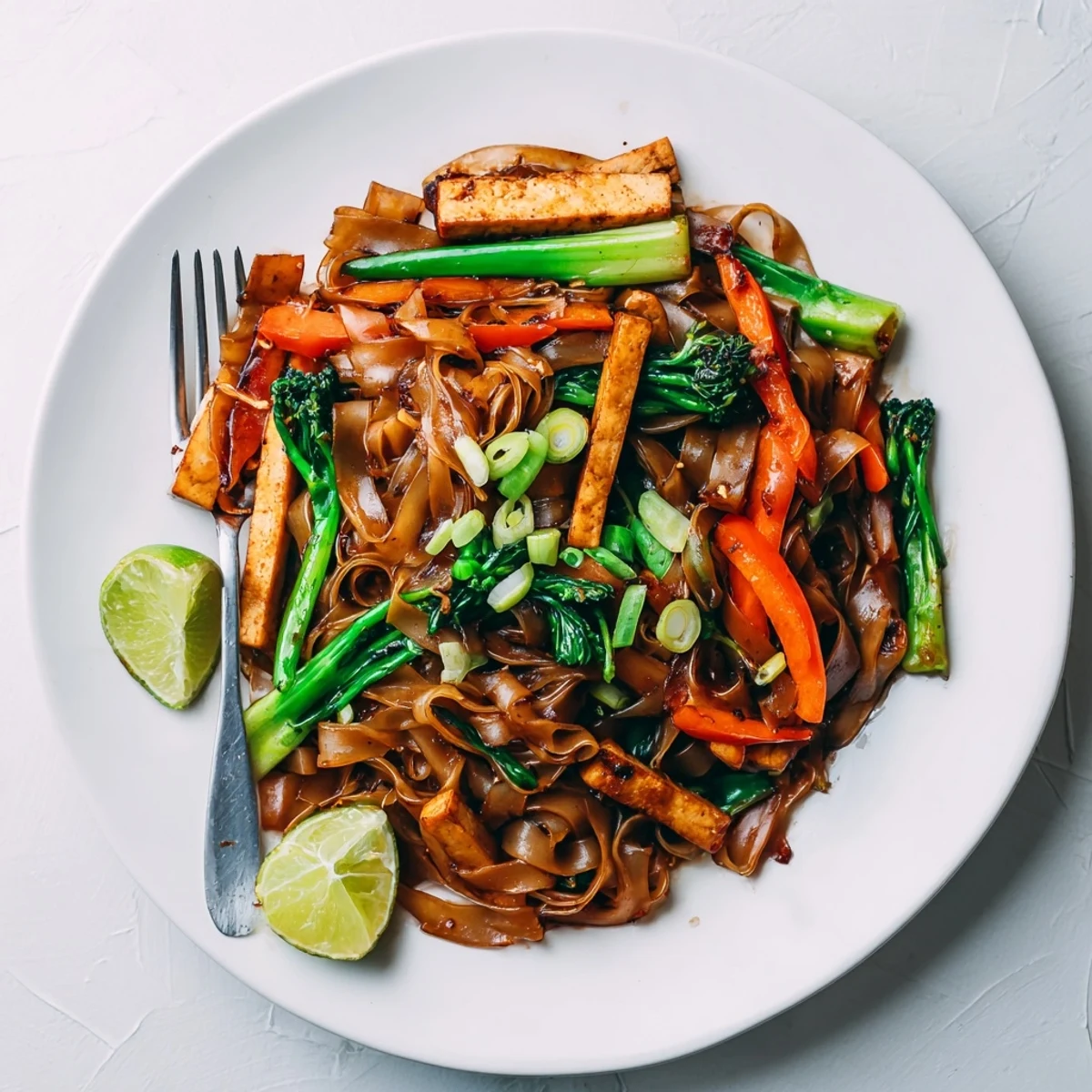
Save This plant-based twist on the classic Thai street food delivers wide rice noodles wok-seared with marinated tofu strips, Chinese broccoli, and colorful vegetables. The signature sauce combines light and dark soy sauces with vegan oyster sauce for that characteristic umami depth and subtle sweetness. Ready in just 30 minutes, these stir-fried noodles offer restaurant-quality flavor with tender-chewy texture perfect for weeknight dinners.
The first time I attempted Pad See Ew at home, I nearly set off my smoke detector. I had watched chefs in Bangkok street stalls toss wide rice noodles against scorching woks, creating that coveted smoky wok hei flavor, and I was determined to recreate it in my tiny apartment kitchen. After several attempts with limp noodles and sauce that never quite coated right, I finally discovered the secret wasn't heat intensity alone but timing and patience. Now this vegan version has become my go-to comfort food on busy weeknights.
Last month my skeptical omnivore friend took one bite and immediately asked for the recipe. She couldnt believe how much umami flavor packed into each noodle strand without any fish sauce or animal products. We stood over the stove picking at the pan long after we should have sat down to eat properly.
Ingredients
- Light soy sauce 2 tablespoons: This provides the foundational salty base that defines Pad See Ew so dont skip it
- Dark soy sauce 1 tablespoon: The molasses-like thickness gives the noodles that gorgeous caramel color and deeper flavor
- Vegan oyster sauce 1 tablespoon: Mushroom-based stir-fry sauce works perfectly to add that earthy umami richness
- Sugar 1 teaspoon: Just enough to balance the saltiness and help the sauce cling to every noodle
- Rice vinegar 2 teaspoons: A splash of acidity cuts through the rich soy flavors and brightens everything
- Water 1 tablespoon: Helps thin the sauce slightly so it coats evenly without becoming gummy
- Wide rice noodles 200g 7 oz: Fresh noodles work best but dried ones soaked until pliable work wonderfully too
- Vegetable oil 1 tablespoon: A neutral oil that can handle high-heat cooking without burning
- Garlic 2 cloves: Minced fresh garlic creates the aromatic foundation that makes your kitchen smell amazing
- Firm tofu 150g 5 oz: Sliced into strips it adds protein and a satisfying chew that mimics traditional versions
- Chinese broccoli 1 small head: The stems add crunch while leaves wilt beautifully into the noodles
- Carrot 1 medium: Julienned for sweetness and color that pops against the dark sauce
- Bell pepper 1 small: Sliced thin it contributes both texture and a mild sweetness
- Green onions 1-2: Fresh sliced on top they add a sharp bite and vibrant finish
Instructions
- Mix your sauce ahead:
- Whisk together all the sauce ingredients in a small bowl until the sugar dissolves completely. Having it ready means you wont be scrambling while the noodles sizzle in the hot pan.
- Prep those noodles:
- Cook them according to package directions then drain and toss with just a drop of oil to keep them from sticking together. Fresh noodles need barely any cooking while dried ones need a good soak.
- Heat your wok:
- Get your oil shimmering over medium-high heat then toss in the minced garlic. Let it sizzle for just 20 seconds until fragrant but not burned.
- Crisp the tofu:
- Add your tofu strips and let them cook undisturbed for 2-3 minutes until they develop golden edges. This step creates texture that makes each bite interesting.
- Add the hard vegetables:
- Toss in the Chinese broccoli stems carrot and bell pepper. Stir-fry for about 2 minutes until theyre tender but still retain their crunch.
- Combine everything:
- Add your noodles and pour that sauce you made all over them. Use a gentle tossing motion to coat every strand without breaking the noodles apart.
- Finish with the greens:
- Drop in the Chinese broccoli leaves and stir for just 1-2 minutes until they wilt down. The residual heat will finish them perfectly.
- Serve it up:
- Plate immediately while everything is steaming hot and top with those fresh green onions lime wedges and chili slices if you like some heat.
 Save
Save This recipe has become my Friday night ritual after long weeks. Theres something deeply satisfying about standing at the stove listening to the vegetables hiss and smelling garlic fill the air.
Getting That Smoky Flavor
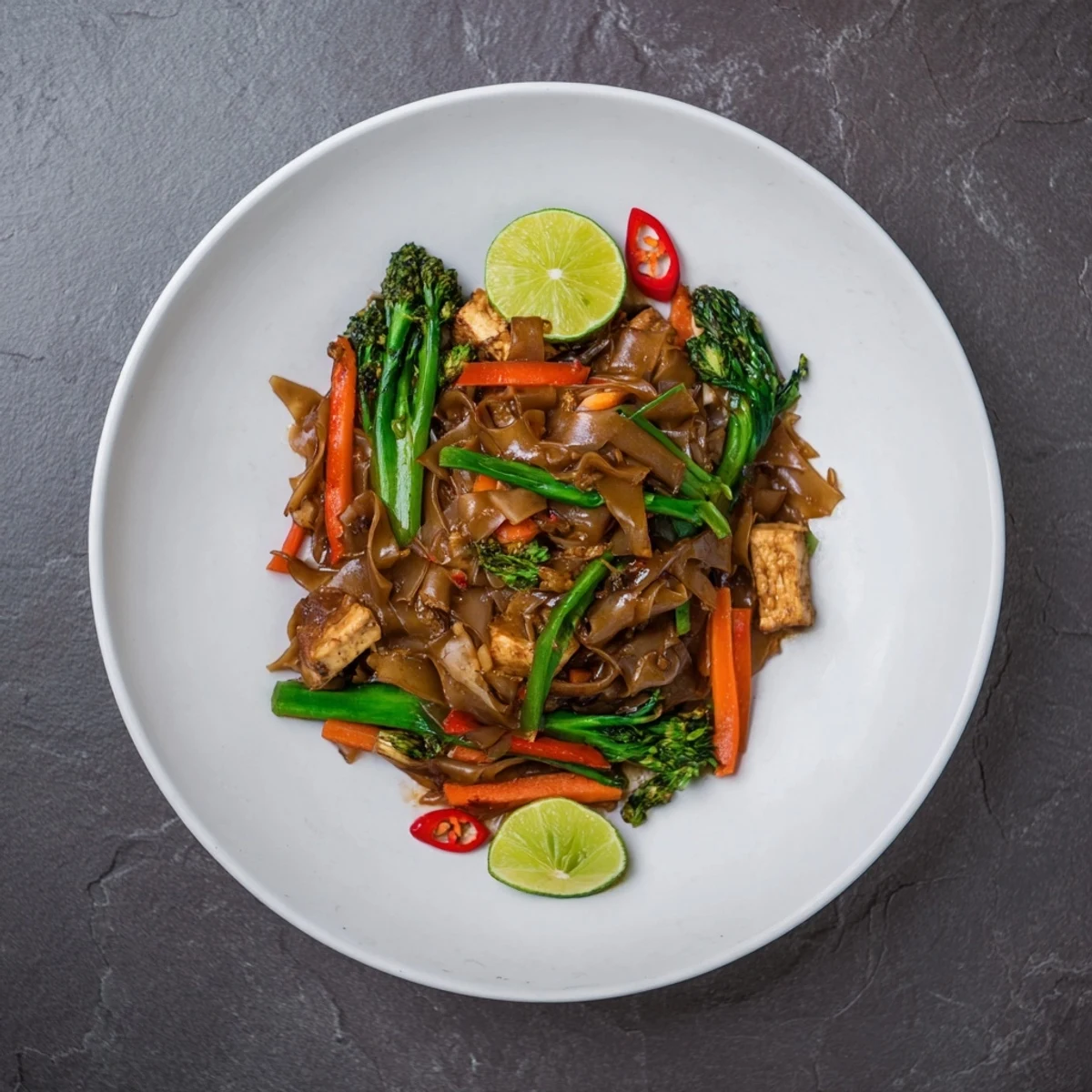
Professional street cooks have flames leaping high above their woks creating that distinctive charred flavor known as wok hei. At home let your noodles sit against the hot pan undisturbed for 20-30 seconds before tossing. The slight scorching adds depth that mimics street food quality.
Making It Your Own
Ive learned that Pad See Ew is incredibly forgiving once you understand the basic technique. Sometimes I add snap peas for extra crunch or mushrooms during colder months when I crave something more hearty.
Serving Suggestions
This dish shines as a standalone meal but I love pairing it with simple sides to round out the experience. A crisp cucumber salad with rice vinegar dressing cuts through the richness perfectly.
- Store any leftovers in the refrigerator for up to three days though the noodles will soften
- Reheat gently in a pan with a splash of water instead of microwaving to revive the texture
- Extra lime juice squeezed over leftovers brightens flavors that might have mellowed overnight
 Save
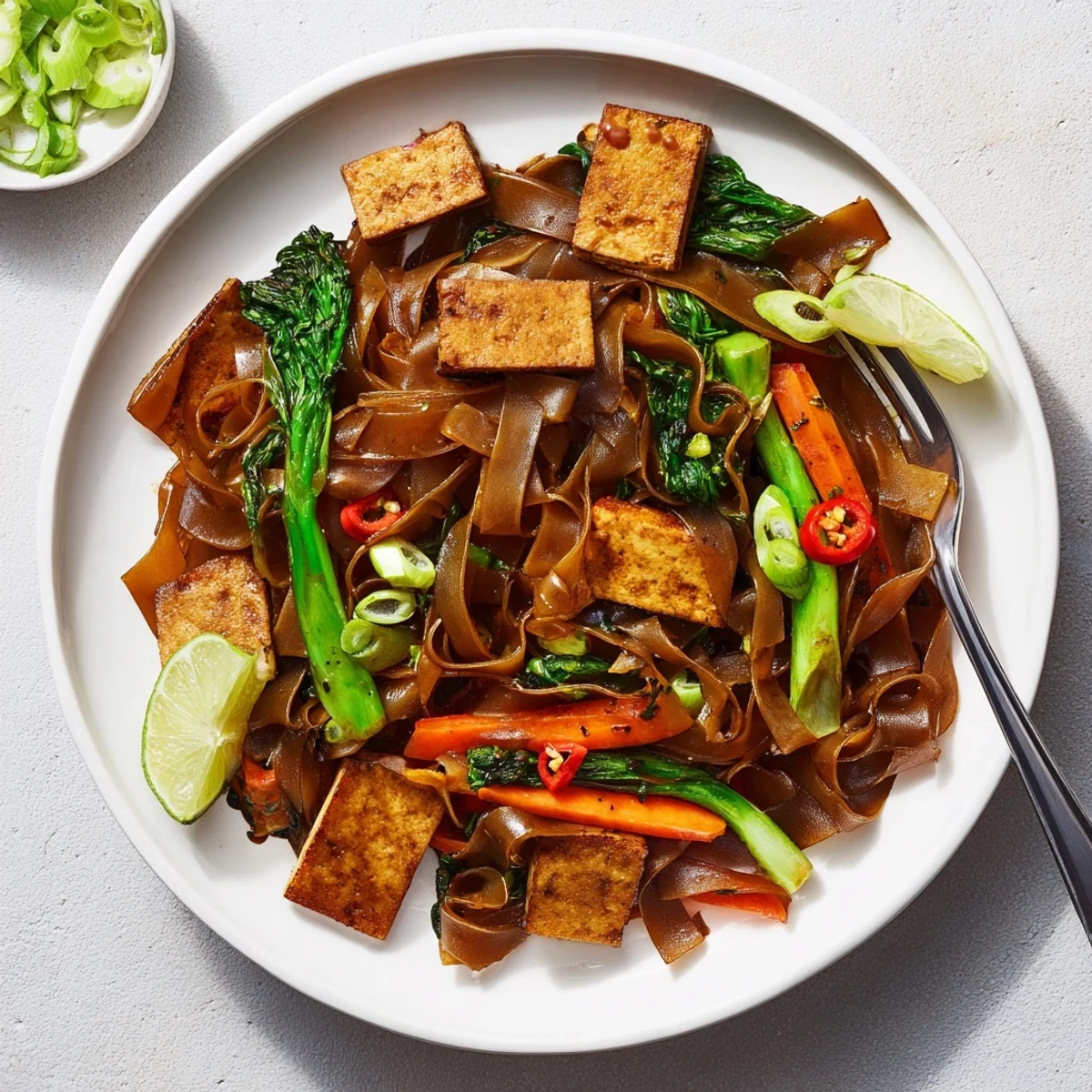
Save I hope this recipe brings the same warmth and comfort to your kitchen as it has to mine. Sometimes the simplest ingredients cooked with a bit of care become the most memorable meals.
Common Recipe Questions
- → What makes Pad See Ew different from other Thai noodles?
-
Pad See Ew features wide rice noodles stir-fried until slightly charred, creating a distinct smoky flavor and chewy texture. The sauce combines light and dark soy sauces for a balance of salty and sweet notes that coat every strand.
- → Can I use dried rice noodles instead of fresh?
-
Absolutely. Soak dried wide rice noodles in warm water for 30-45 minutes until pliable, then drain well before stir-frying. They may need slightly less cooking time than fresh noodles.
- → What vegetables work best in this dish?
-
Chinese broccoli (gai lan) is traditional, but broccolini, regular broccoli, bok choy, or snap peas make excellent substitutions. The key is using vegetables that retain some crunch when quickly stir-fried.
- → How do I prevent noodles from sticking to the wok?
-
Ensure your wok or skillet is properly heated before adding oil. Toss cooked noodles with a small amount of oil before adding to the pan, and avoid overcrowding the cooking surface.
- → Can I make this dish gluten-free?
-
Yes, use certified gluten-free soy sauce or tamari in place of regular soy sauce. Check that your vegan oyster sauce is also labeled gluten-free, as some brands contain wheat-based thickeners.
- → What protein alternatives work besides tofu?
-
Tempeh, seitan strips, or shiitake mushrooms provide excellent texture and absorb the savory sauce beautifully. For a heartier version, add edamame or cooked chickpeas.