
 Save
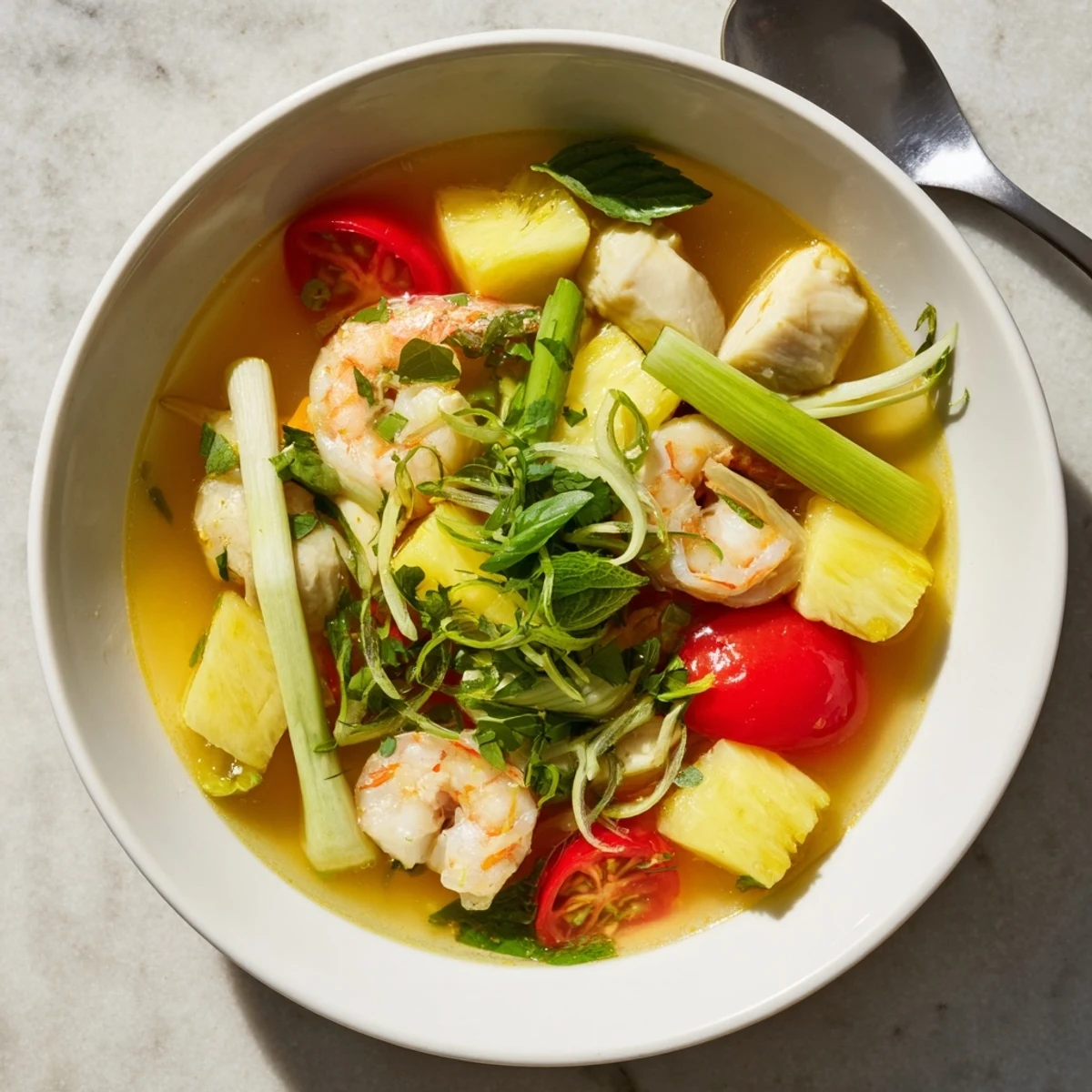
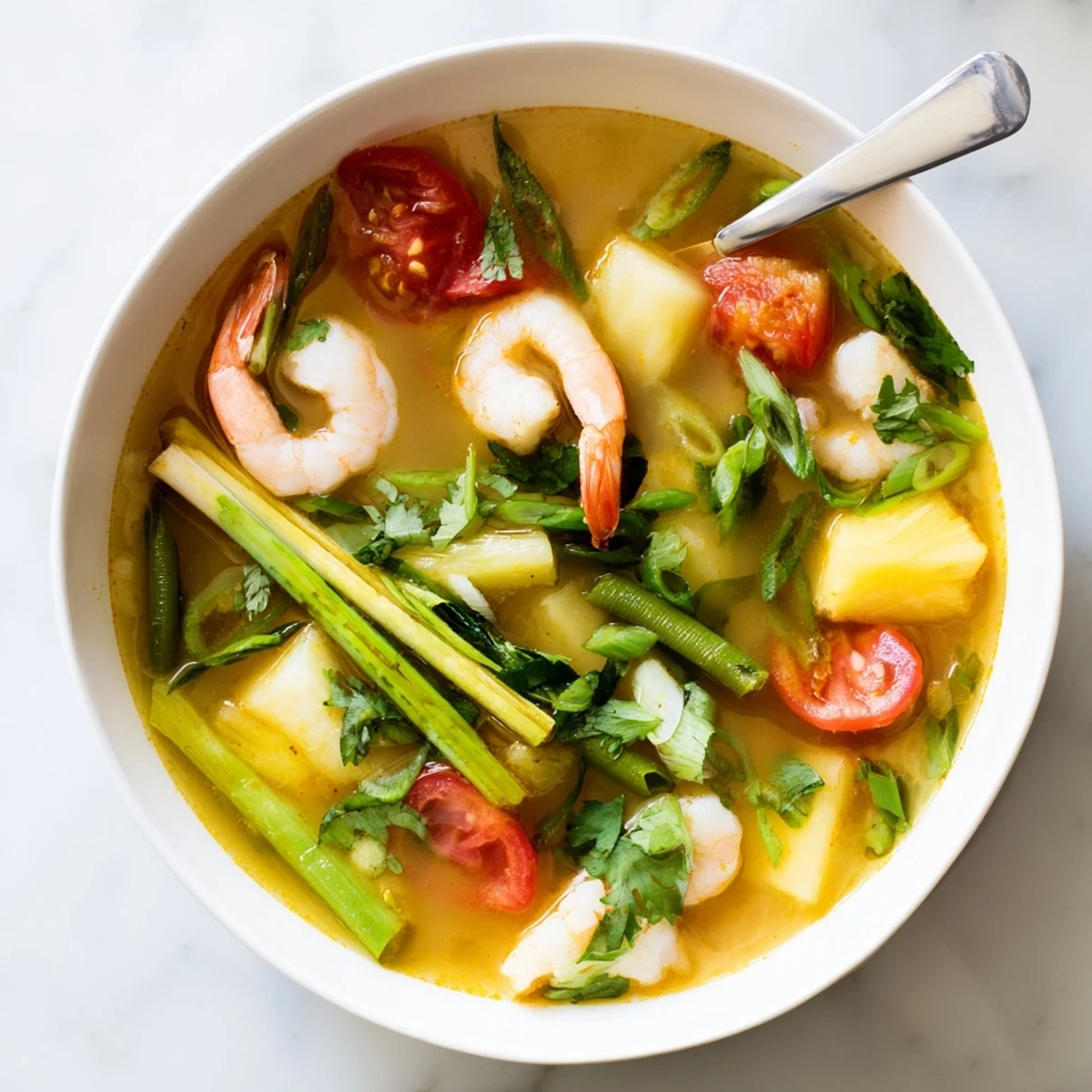
Save Canh Chua brings together the quintessential flavors of Vietnamese cuisine in one warming bowl. This sweet and sour soup combines tender white fish and shrimp with juicy pineapple, tomatoes, and crisp vegetables. The broth achieves its signature tang from tamarind paste, perfectly balanced with sugar and fish sauce.
Fresh herbs like cilantro, Thai basil, and rice paddy herb add aromatic complexity, while lemongrass infuses the broth with citrusy notes. Ready in just 40 minutes, this soup embodies the harmonic balance of flavors central to Vietnamese cooking. Serve over steamed jasmine rice for a complete meal.
My grandmother's kitchen always smelled like lemongrass and tamarind when rainy season hit Saigon. She'd hum while chopping pineapple, teaching me that the secret to Canh Chua was balancing sour and sweet like life itself. I've carried that wisdom through years of making this soup, perfecting my own rhythm with the broth. Last winter, I served it to friends recovering from the flu, watching their faces light up with that first tangy spoonful.
During a dinner party last spring, I accidentally added too much tamarind. Instead of panicking, I let my friend Linh taste it. She laughed and showed me how a pinch more sugar creates this perfect harmony that everyone at the table couldn't stop talking about. That night taught me that mistakes often lead to the best discoveries in cooking.
Ingredients
- White fish fillets: Catfish holds up beautifully in hot broth, but snapper adds sweetness
- Shrimp: They add ocean depth and turn perfectly pink when cooked just right
- Pineapple: Fresh, not canned, gives natural sweetness and tartness
- Tamarind paste: This is the soul of the soup, creating that signature sour note
- Lemongrass: Bruise stalks well to release their citrusy essence into the broth
- Tomatoes: They melt down slightly, thickening the soup with their juices
- Bean sprouts: Add them last for satisfying crunch in every bite
- Fish sauce: Quality matters here, it provides essential umami depth
Instructions
- Build the aromatic foundation:
- Heat oil in your largest pot and sauté garlic and onions until they turn translucent and your kitchen fills with their fragrance
- Add the soul of the soup:
- Toss in bruised lemongrass and tomato wedges, cooking until tomatoes start breaking down and release their juices
- Create the broth:
- Pour in water or stock, stir in tamarind paste and sugar, then simmer gently to let flavors marry
- Add vegetables in stages:
- Start with pineapple, celery, and okra since they need more time to soften
- Carefully add seafood:
- Gently place fish chunks and shrimp into the simmering broth, being careful not to break up the fish
- Balance the flavors:
- Taste and adjust with fish sauce, salt, pepper, and more tamarind or sugar until it hits that perfect sweet and sour harmony
- Finish with fresh elements:
- Stir in bean sprouts and herbs in the last two minutes so they stay vibrant and crisp
 Save
Save This recipe became my go-to comfort food during graduate school, when money was tight but I wanted something that tasted like home. Now it's the dish I make for friends who need healing, whether from sickness or heartbreak.
Perfecting Your Broth Balance
Canh Chua should sing with multiple notes hitting your palate simultaneously. The magic happens when sour, sweet, salty, and savory work together without any single element dominating. I keep a small bowl of sugar and fish sauce beside the pot, tweaking until everything harmonizes perfectly.
Choosing Your Fish
Firm white fish holds its shape better in hot broth than delicate varieties. I've learned that cutting fish into generous chunks rather than small pieces prevents it from overcooking and becoming dry. Let the broth's residual heat finish cooking the seafood after you turn off the stove.
Serving It Right
Ladle steaming hot soup over jasmine rice in individual bowls, letting the grains soak up that precious tamarind broth. Place extra herbs on the table so everyone can add their preferred amount of freshness.
- Have extra fish sauce available for guests who prefer more saltiness
- Serve with small dishes of chili paste for heat lovers
- Cool the broth slightly before adding delicate herbs to prevent them from wilting
 Save
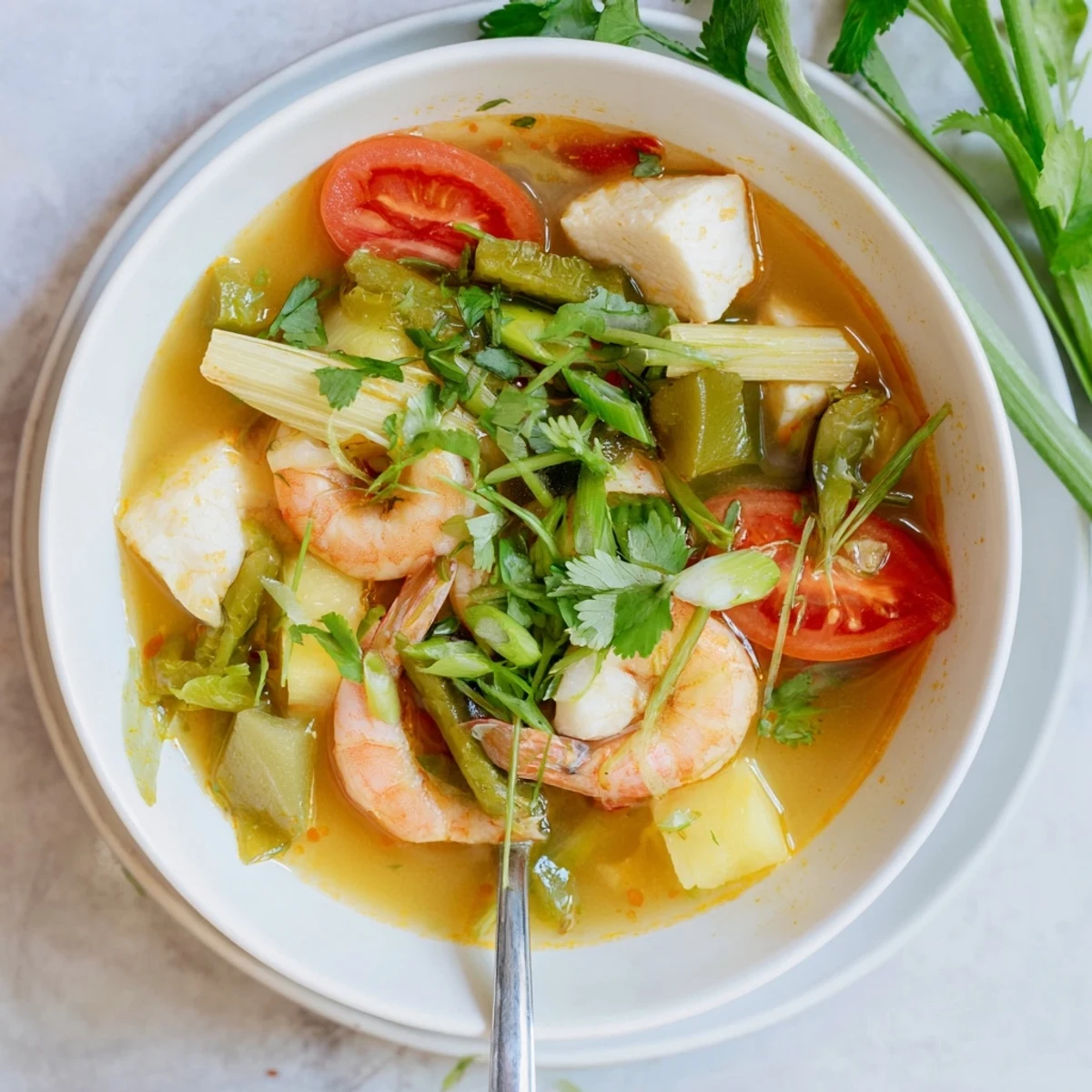
Save There's something profoundly healing about a bowl of Canh Chua, the way sour tamarind cuts through richness and herbs lift the spirit. I hope this recipe finds its way into your regular rotation, bringing warmth and balance to your table.
Common Recipe Questions
- → What makes Canh Chua traditionally sweet and sour?
-
The signature flavor comes from tamarind paste providing the sour element, balanced with sugar for sweetness. Fish sauce adds depth and saltiness, while fresh pineapple contributes natural tartness and sweetness to create that perfect sweet-sour harmony.
- → Can I make Canh Chua vegetarian?
-
Absolutely. Substitute the fish and shrimp with firm tofu cubes and use vegetable stock instead of fish stock. Replace fish sauce with soy sauce or a vegetarian fish sauce alternative to maintain the savory depth while keeping the dish plant-based.
- → What fish works best in Canh Chua?
-
White fish fillets like catfish, tilapia, snapper, or sea bass are ideal because they hold their shape during simmering. Avoid delicate fish that might flake apart. The fish should be added in the final minutes to prevent overcooking and maintain a tender texture.
- → How do I adjust the sourness level?
-
Start with one tablespoon of tamarind paste and taste the broth. If you prefer more sourness, add additional tamarind paste gradually. For a brighter acidity, supplement with fresh lime juice. Remember that the flavor will concentrate slightly as the soup simmers.
- → What herbs are essential for authentic flavor?
-
Fresh cilantro, Thai basil, and rice paddy herb (ngò om) are the traditional trio. If unavailable, substitute with sweet basil and extra cilantro. Sawtooth herb adds authentic flavor but is optional. Add herbs at the end to preserve their delicate aroma.
- → Can I prepare Canh Chua in advance?
-
The broth base can be made a day ahead and refrigerated. However, add the seafood, bean sprouts, and fresh herbs just before serving. Seafood overcooks easily and vegetables lose their crispness. Reheat the broth gently and finish with fresh ingredients for the best texture.