
 Save
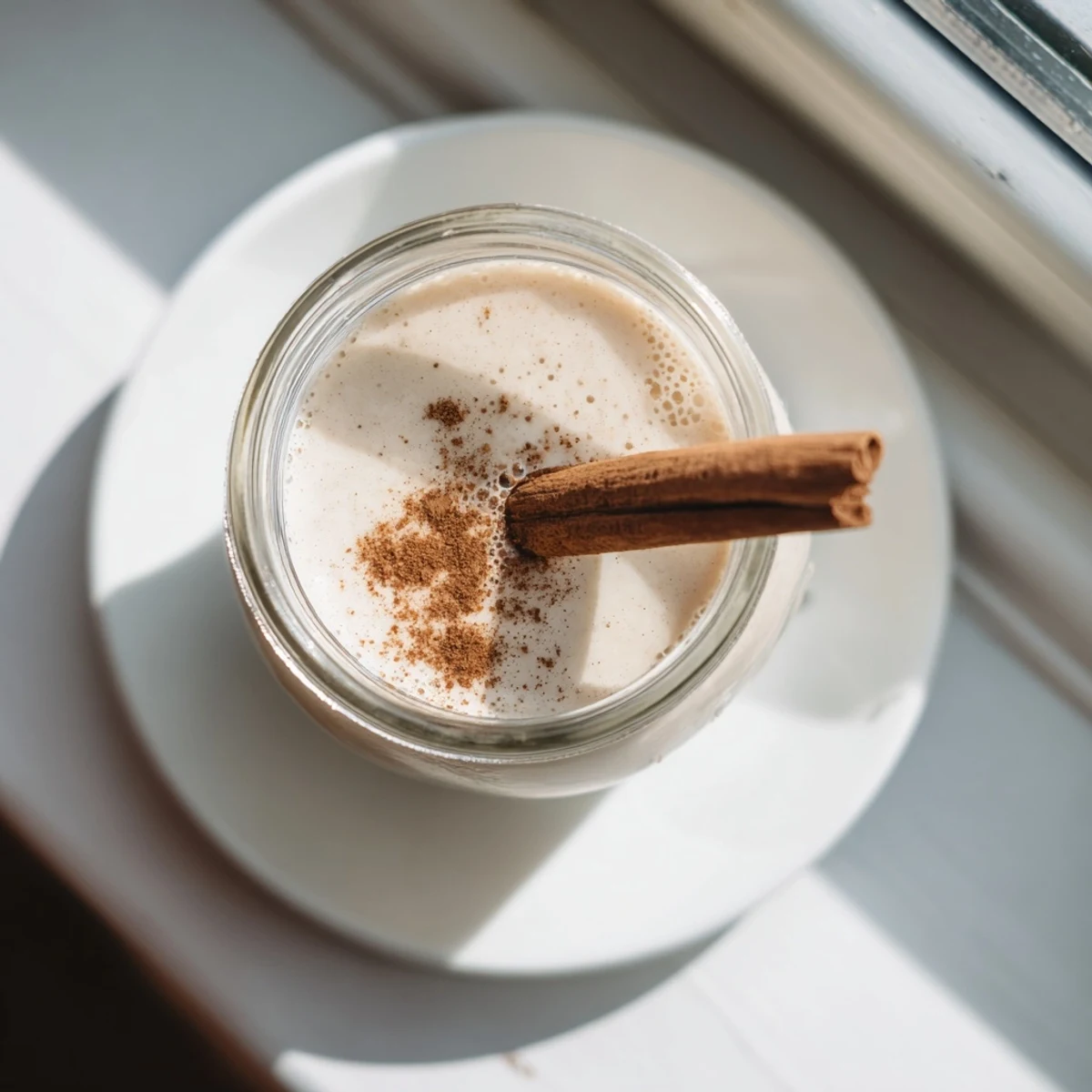
Save Transform simple raw almonds into silky, plant-based milk in just 10 minutes of active preparation. This naturally sweetened alternative delivers exceptional creaminess without additives or preservatives found in commercial varieties. The process involves soaking raw nuts overnight, blending until completely smooth, and straining through a fine mesh for the perfect texture.
Customize your beverage with maple syrup, vanilla extract, or sea salt to match your taste preferences. The leftover almond pulp adds value to smoothies, baked goods, or energy bites, making this preparation entirely zero-waste.
The blender screamed at six in the morning because I had refused to soak the almonds overnight and tossed them in rock hard, convinced that high speed would solve everything. It did not. That humbling noise woke my roommate, who stood in the kitchen doorway with pillow creased cheeks and asked what on earth I was doing. That disaster taught me patience and turned homemade almond milk into a quiet morning ritual I actually look forward to.
I started making this every Sunday when I realized the store bought version I loved had a paragraph of ingredients I could not pronounce. My sister visited one weekend and watched me squeezing the nut milk bag with both hands like I was wringing out a soggy towel, and she laughed so hard she cried before admitting the result was the best almond milk she had ever tasted.
Ingredients
- 1 cup raw almonds: Raw and unsalted are non negotiable here because roasted almonds will give you a gritty, oily milk that separates fast.
- 4 cups filtered water: The quality of your water directly affects the taste, so use filtered if your tap has a chlorine edge.
- 1 to 2 tablespoons maple syrup or honey: Totally optional, but a touch of sweetness rounds out the nuttiness, especially if you are used to store bought varieties.
- 1 teaspoon vanilla extract: Adds warmth and a bakery like softness that makes this feel like a treat rather than a health project.
- Pinch of sea salt: Just a tiny pinch lifts all the flavors and keeps the milk from tasting flat.
Instructions
- Soak those almonds:
- Drop the almonds into a bowl, cover them with plenty of water, and walk away for at least eight hours or overnight until they look plump and slightly bloated.
- Blend until frothy:
- Drain and rinse the soaked almonds, toss them into your blender with four cups of fresh filtered water, and run it on high for one to two minutes until the liquid looks creamy white and clouds the pitcher.
- Add your flavors:
- If you want sweetness, pour in the maple syrup, vanilla, and that pinch of salt, then give it a quick ten second blend to bring everything together.
- Strain with conviction:
- Drape your nut milk bag or a cheesecloth lined strainer over a large bowl, pour the blended mixture in, and squeeze with confident pressure to extract every last drop of milky liquid.
- Bottle and chill:
- Pour the strained milk into a clean glass bottle or jar, seal it tight, and tuck it into the refrigerator where it will keep beautifully for four to five days.
 Save
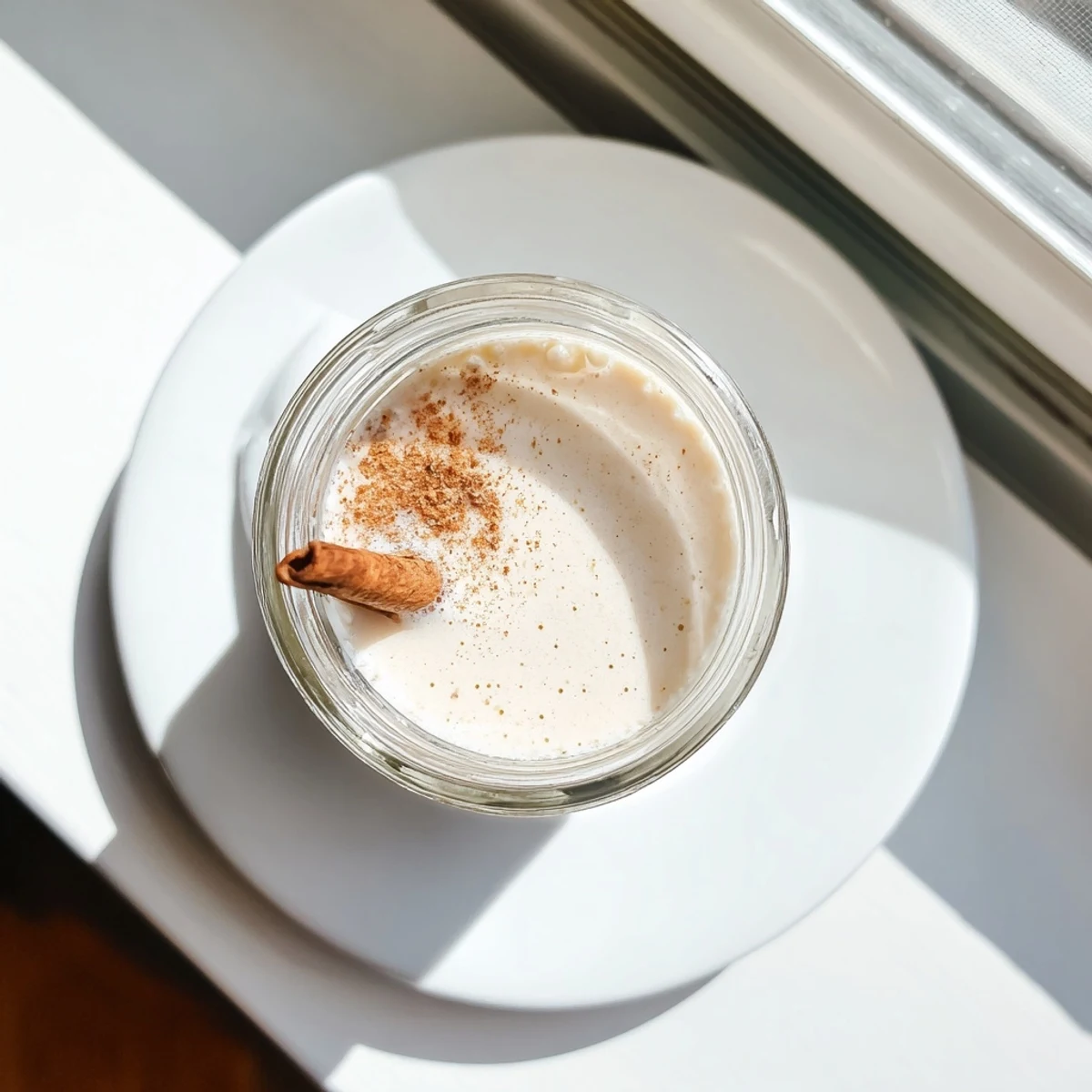
Save Pouring a cold glass of this over ice on a hot afternoon feels like a small act of self care that no store bought carton can replicate. It became the base of my morning coffee routine and suddenly those fancy cafe drinks felt unnecessary.
Getting the Consistency Just Right
If you like your milk on the richer side, drop the water down to three cups instead of four and watch how luxuriously thick it becomes. I discovered this by accident when I misread my own scribbled notes and ended up with something closer to half and half than milk, which was honestly a wonderful mistake for my coffee.
Do Not Toss the Pulp
That leftover almond pulp sitting in your strainer is full of fiber and flavor, so scrape it into a container and keep it in the fridge for smoothies, muffins, or little no bake energy bites. I spread some into a baking sheet, dried it on low heat, and ended up with homemade almond flour that worked beautifully in cookies.
Fun Flavor Variations to Try
Once you have the basic method down, the flavor possibilities are genuinely exciting and hard to stop playing with.
- Stir in a tablespoon of cocoa powder with the sweetener for a rich chocolate version that tastes like a dessert in a glass.
- Drop a whole cinnamon stick into the finished milk and let it steep overnight for a gently spiced drink perfect for autumn mornings.
- A handful of pitted dates blended in place of maple syrup adds caramel like depth while keeping everything naturally sweetened.
 Save
Save Once you make almond milk from scratch and taste the difference, going back to the carton feels like settling. Your morning coffee deserves this.
Common Recipe Questions
- → How long does homemade almond milk stay fresh?
-
Store your almond milk in an airtight container in the refrigerator for 4-5 days maximum. Always shake well before pouring, as natural separation occurs. The absence of preservatives means shorter shelf life than store-bought versions, but the fresh taste makes it worthwhile.
- → Can I skip the soaking step?
-
Soaking almonds for at least 8 hours softens them, making blending easier and producing smoother milk. Skipping this step results in gritty texture and less flavor extraction. Overnight soaking works best, though 4-6 hours suffices in a pinch.
- → What can I do with the leftover pulp?
-
Dry the pulp in a low oven or dehydrator, then grind into almond flour for baking. Add fresh pulp directly to smoothies for extra fiber and protein. Mix with dates and nuts for energy bites, or incorporate into cookie and muffin batters for moisture.
- → How can I make the milk creamier?
-
Reduce the water ratio to 3 cups instead of 4 for thicker, richer results. Adding a handful of soaked cashews during blending creates luxurious texture. Blend longer to extract maximum creaminess before straining.
- → Is this more cost-effective than store-bought versions?
-
Yes, making almond milk at home costs significantly less than premium brands. One cup of raw almonds yields roughly one liter of milk. Bulk almond purchases further reduce expenses. The ability to customize sweetness and flavor adds value beyond cost savings.