
 Save
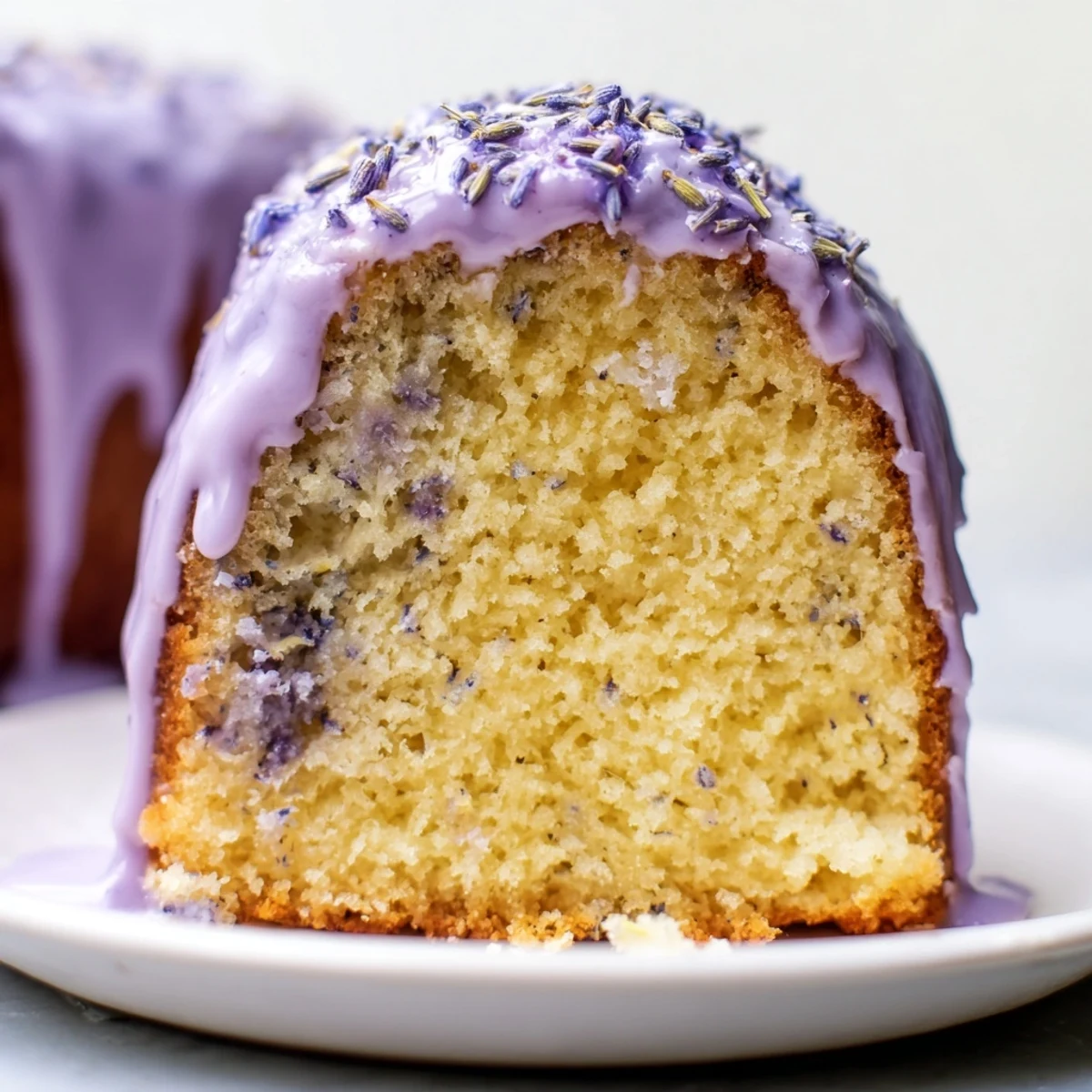
Save This delicate lavender cake brings the essence of blooming gardens to your table. The fragrant purple buds infuse every bite with subtle floral notes, while the bright lemon glaze adds perfect contrast. Ready in under an hour, this elegant European dessert shines at spring brunches, afternoon tea services, or summer garden parties.
The cake features a tender crumb achieved through careful creaming of butter and sugar, with culinary lavender folded into the batter for even distribution. An optional lavender syrup soaking step enhances moisture and intensifies the aromatic experience. The finishing touch—a simple glaze of powdered sugar, fresh lemon juice, and chopped lavender buds—creates a beautiful presentation and balances the floral sweetness with citrus brightness.
My grandmother's garden always had that corner devoted to lavender bushes, and I'd stand there running my fingers through the blooms while she explained that not all lavender belongs in cakes. The first time I tried baking with it myself, I dumped in way too much and ended up with something that tasted like soap. Now I know that lavender is like perfume—a little goes a long way, and the right amount makes everything feel magical.
I made this cake last spring for my friend's birthday, and we sat on her back porch eating it while the weather turned warm. She took one bite and closed her eyes, saying it tasted like a garden in cake form. The lemon glaze cuts through the floral notes just enough to keep everything bright and fresh.
Ingredients
- All-purpose flour: The foundation that lets those delicate lavender flavors shine without competing textures
- Baking powder: Gives you that tender crumb that makes this cake feel light and airy
- Salt: Just enough to balance the sweetness and bring out the floral notes
- Unsalted butter: Room temperature is non-negotiable here for proper creaming and that melt-in-your-mouth texture
- Granulated sugar: Creates the structure and helps those tiny lavender buds distribute evenly throughout
- Large eggs: Bring everything together while adding richness
- Culinary lavender buds: Food-grade only, and chop them finely to avoid biting into whole flowers
- Vanilla extract: Rounds out the floral notes with something warm and familiar
- Whole milk: Makes the batter smooth and contributes to that velvety texture
- Water and sugar for syrup: This optional step keeps the cake incredibly moist for days
- Powdered sugar: Creates that gorgeous drip glaze that makes the cake look bakery-worthy
- Fresh lemon juice: The acid cuts through the floral sweetness and adds brightness
Instructions
- Preheat your oven and prepare the pan:
- Set your oven to 350°F and generously butter and flour an 8-inch round pan, tapping out any excess flour so nothing sticks
- Whisk the dry ingredients:
- Combine flour, baking powder, and salt in a medium bowl, then set it aside while you work on the wet ingredients
- Cream the butter and sugar:
- Beat butter and sugar until the mixture turns pale and fluffy, about 3-5 minutes, then add eggs one at a time
- Add the flavor:
- Mix in your chopped lavender buds and vanilla extract until everything is evenly distributed
- Combine everything:
- Alternate adding the flour mixture and milk, starting and ending with the flour, mixing just until combined
- Bake until golden:
- Pour batter into your prepared pan, smooth the top, and bake for 25-30 minutes until a toothpick comes out clean
- Make the lavender syrup:
- Simmer water, sugar, and lavender buds for 3 minutes while the cake bakes, then strain and set aside
- Add the syrup:
- Let the cake cool for 10 minutes, poke small holes all over with a skewer, and brush with warm lavender syrup
- Prepare the glaze:
- Whisk powdered sugar with lemon juice and finely chopped lavender until smooth and pourable
- Glaze and serve:
- Let the cake cool completely, drizzle with the lavender lemon glaze, and wait for it to set before slicing
 Save
Save This cake became my go-to for spring gatherings after I served it at a book club meeting and everyone kept asking for the recipe instead of discussing the book. There's something about lavender that makes people slow down and savor each bite.
Getting The Lavender Balance Right
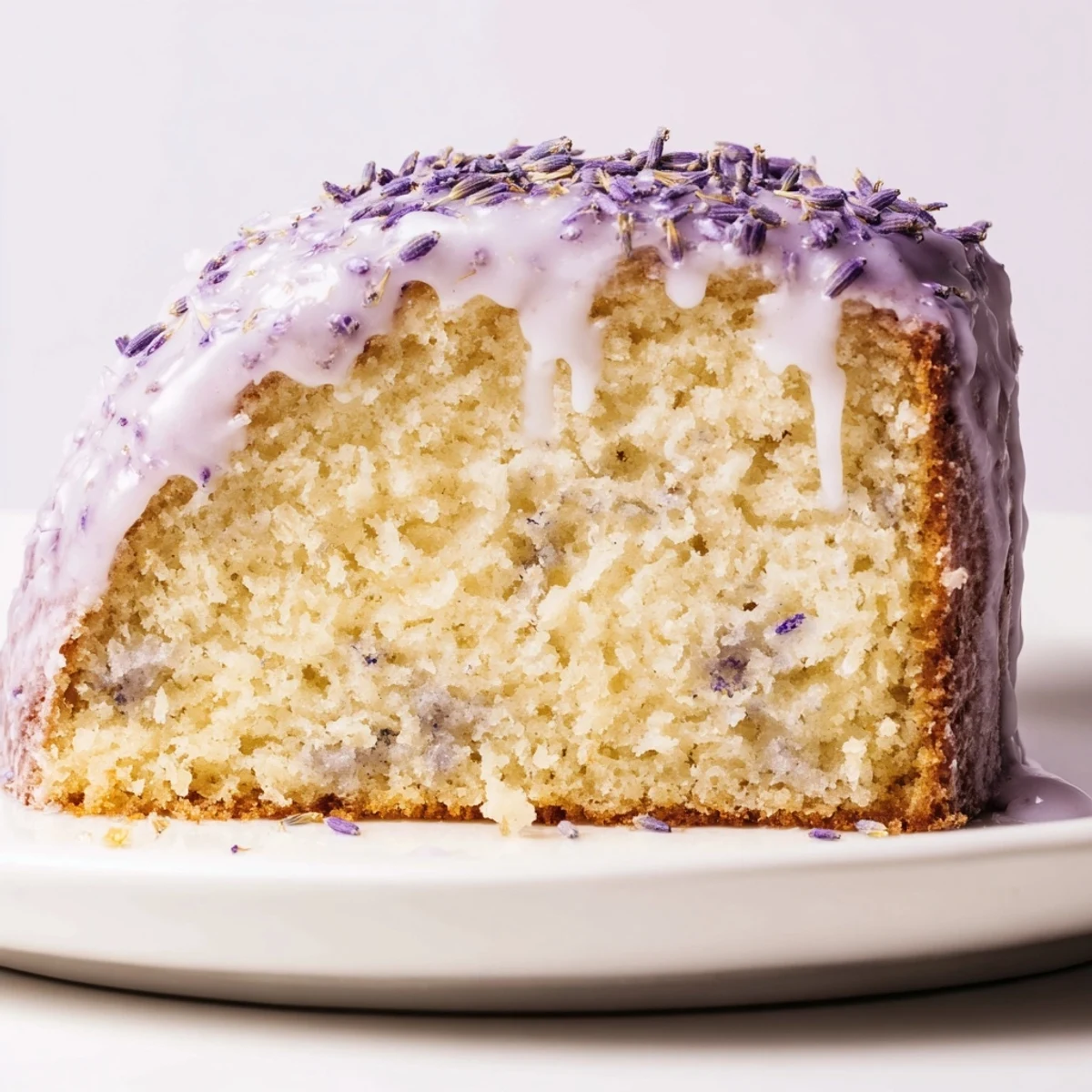
I've learned that different brands of culinary lavender vary in intensity, so start with less if you're unsure. The flavor develops as the cake sits, so what seems subtle on day one might be perfect on day two.
Making It Ahead
This cake actually tastes better the next day once the lavender has had time to infuse throughout. Wrap it tightly after glazing and it will stay moist for up to three days.
Serving Suggestions
Slice thin pieces because this cake is rich and meant to be savored slowly with something hot to drink. It's the kind of dessert that turns a regular afternoon into something special.
- A cup of Earl Grey tea brings out the best in both flavors
- Serve with fresh berries if you want something tart alongside the sweet
- Bring it to room temperature before serving for the softest texture
 Save
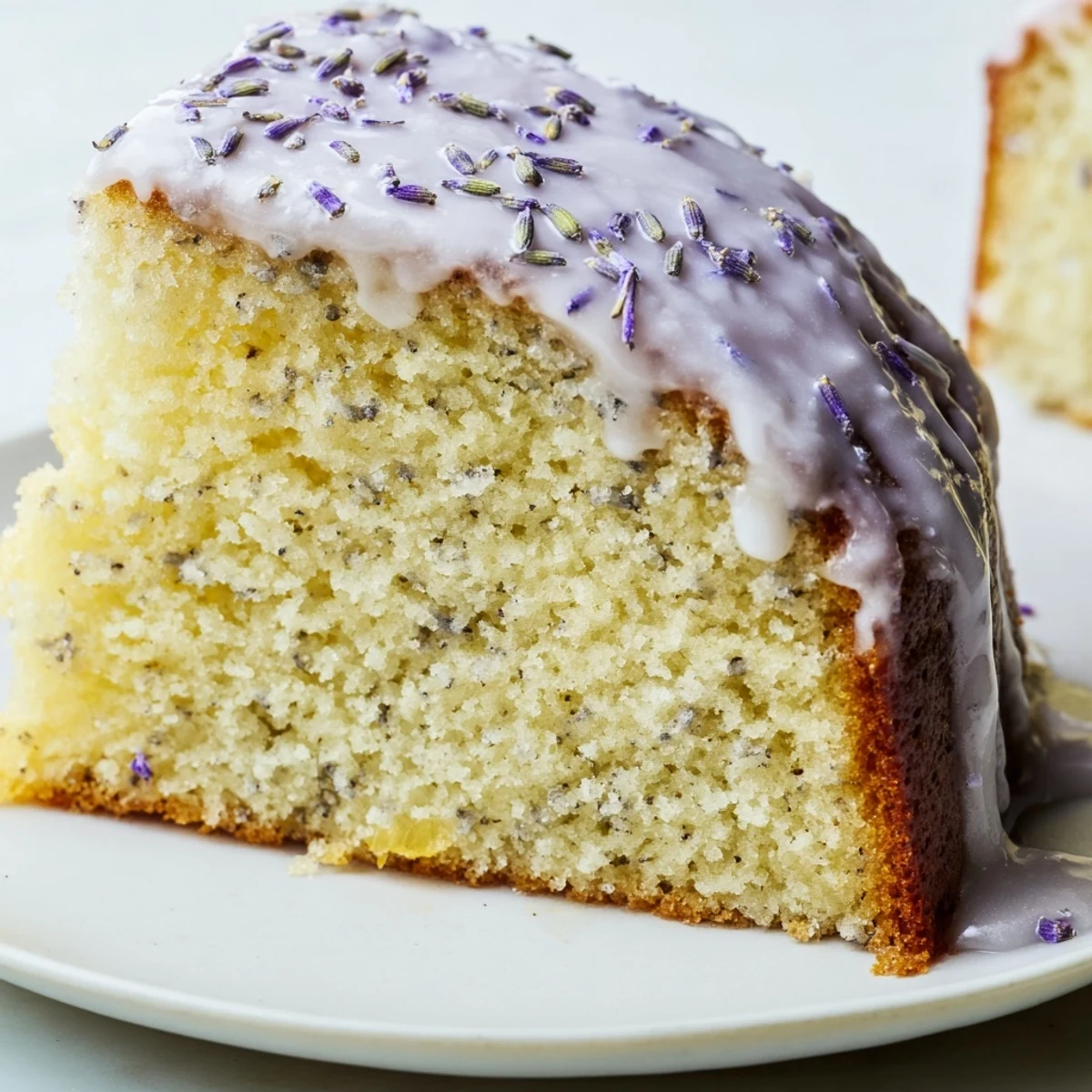
Save Every time I pull this cake from the oven, that floral fragrance fills the whole kitchen and I'm transported back to my grandmother's garden, where everything felt possible.
Common Recipe Questions
- → What type of lavender should I use for baking?
-
Always use culinary-grade lavender buds specifically labeled for food use. Regular garden lavender or potpourri may contain pesticides or have an overly strong, camphor-like flavor. Culinary lavender, typically English lavender varieties like 'Munstead' or 'Hidcote', provides a sweeter, more delicate flavor perfect for desserts.
- → Can I make this cake ahead of time?
-
Yes, the cake layers can be baked up to two days in advance. Wrap cooled cake tightly in plastic wrap and store at room temperature. Add the glaze shortly before serving for the freshest appearance and texture. The optional lavender syrup actually helps maintain moisture if making ahead.
- → How do I prevent the lavender flavor from being too strong?
-
Start with the recommended amount, as lavender's flavor intensifies during baking. If you're sensitive to floral flavors, reduce the lavender buds to 1 tablespoon. You can also steep the buds in warm milk for 10 minutes, then strain before incorporating, which provides a more subtle, evenly distributed flavor.
- → What can I serve with lavender cake?
-
This cake pairs beautifully with Earl Grey tea, which complements the floral notes. Fresh berries like strawberries or raspberries provide tart contrast. A dollop of lightly sweetened whipped cream or clotted cream adds richness. For afternoon tea, serve alongside cucumber sandwiches and scones.
- → Can I substitute ingredients for dietary restrictions?
-
For lactose-free versions, substitute whole milk with almond milk and use lactose-free butter. To make gluten-free, replace all-purpose flour with a 1:1 gluten-free flour blend containing xanthan gum. The cake's texture remains remarkably similar with these substitutions, though bake times may vary slightly.
- → Why is my cake dense or dry?
-
Overmixing the batter develops too much gluten, creating a dense texture. Mix only until flour just disappears. Dryness usually results from overbaking—start checking at 25 minutes with a toothpick. The optional lavender syrup soak also helps restore moisture to slightly overbaked cakes.