
 Save
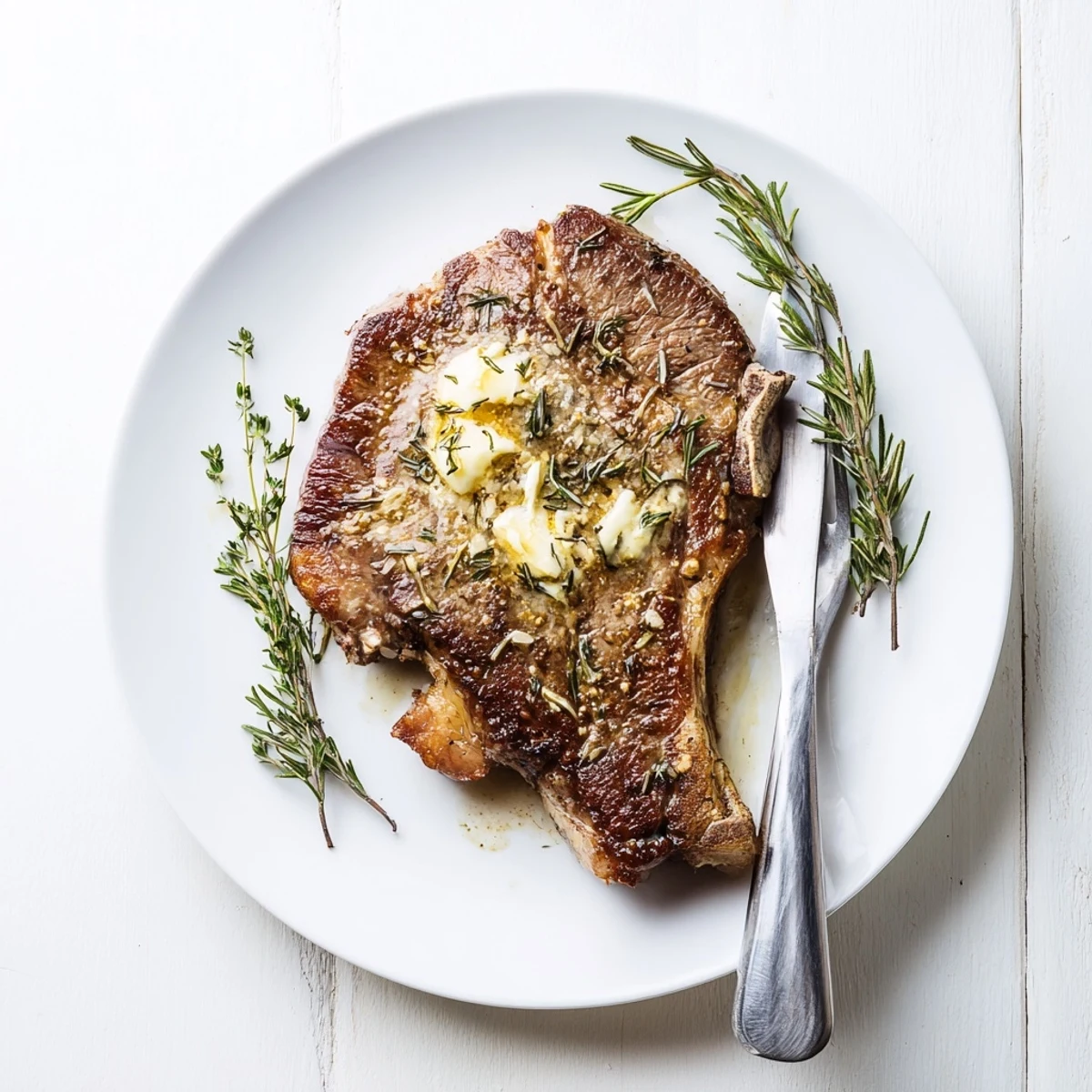
Save This classic ribeye steak delivers restaurant-quality results with minimal effort. The high-heat searing creates a beautiful caramelized crust while keeping the interior perfectly juicy and tender. Finishing with garlic butter and fresh herbs adds layers of aromatic flavor that elevates the entire dish.
The technique involves a simple basting method that infuses the meat with buttery, herbaceous notes. Perfect for date nights or special occasions, this steak cooks in just 10 minutes and pairs beautifully with roasted vegetables or a crisp salad.
Last Tuesday, my kitchen smelled like a steakhouse. I had splurged on two gorgeous ribeyes from the butcher counter and finally decided to stop being intimidated by them. The cast iron skillet was already humming on the burner when I realized I hadn't even prepped the garlic yet. Some nights in the kitchen feel like chaos, but this one ended with that first perfect bite of seared, buttery beef.
My dad taught me that sound matters when cooking steak. That sizzle when the meat hits the hot skillet tells you everything you need to know. Now I stand there like a hawk, listening for that perfect hiss, and it has never steered me wrong. Cooking becomes something almost musical when you pay attention to these little cues.
Ingredients
- 2 ribeye steaks: Room temperature is non negotiable here, cold meat won't develop that gorgeous crust we are after
- Kosher salt and black pepper: Be generous, this creates the savory foundation and helps with that caramelized exterior
- 2 tablespoons unsalted butter: The magic ingredient for basting, it infuses the meat with rich flavor as it melts
- 3 garlic cloves, smashed: Smashing releases more oils into the butter than mincing would
- Fresh thyme and rosemary: These woody herbs stand up to high heat and perfume the butter as it bubbles
- 1 tablespoon high heat oil: Butter alone would burn, so we start with oil that can take the temperature
Instructions
- Prep your steaks properly:
- Pat both ribeyes completely dry with paper towels, then season generously on all sides with salt and pepper, pressing the seasoning into the meat
- Get your skillet ripping hot:
- Heat a large cast iron skillet over high heat for about 2 minutes until it is screaming hot, then add the oil and swirl to coat the bottom
- Sear without peeking:
- Lay the steaks in the skillet and resist the urge to move them for 3 to 4 minutes until a deep golden brown crust forms on the first side
- Flip and add your aromatics:
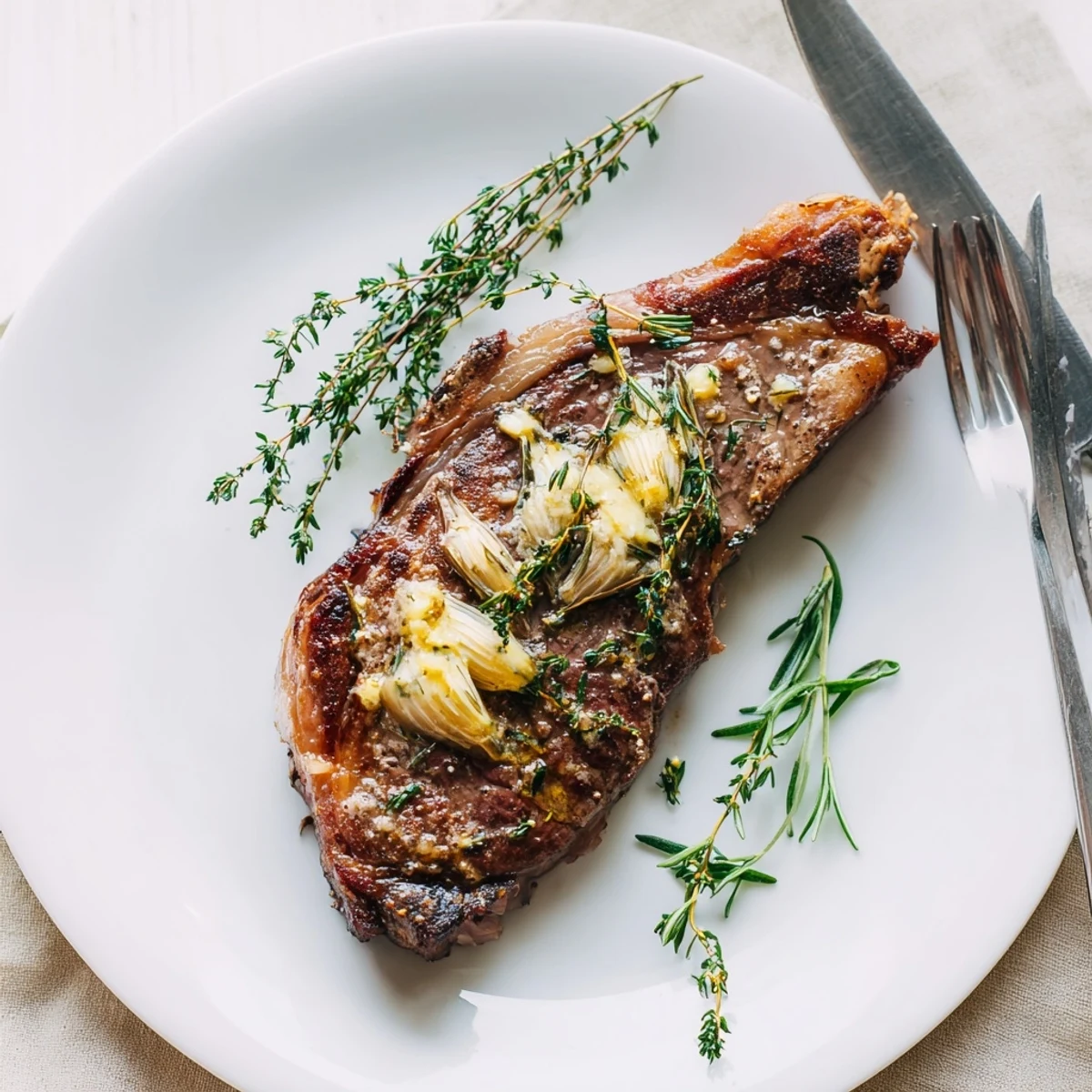
- Turn the steaks over and immediately toss in the butter, smashed garlic cloves, thyme, and rosemary
- Baste like a chef:
- Tilt the pan slightly and continuously spoon the melting, herb infused butter over the steaks for 2 to 3 minutes until they reach your desired doneness
- Rest before serving:
- Transfer the steaks to a cutting board and let them rest for 5 full minutes so the juices redistribute throughout the meat
 Save
Save My sister came over unexpectedly the first time I made these. She stood in the doorway watching me baste, then grabbed a fork and ate standing right at the counter. Some meals just demand that kind of immediate, messy joy.
Getting That Perfect Crust
Dry meat equals better browning, so do not skip the paper towel step. I have learned that moisture is the enemy of that steakhouse crunch we all want. Pat them thoroughly and season right before they hit the pan.
The Basting Technique
Tilting the pan feels a bit precarious at first, but it is worth it for the flavor infusion. Watch the butter carefully so it does not burn, and keep that spoon moving constantly over the meat.
Serving Suggestions
These steaks deserve to be the star of the plate. Keep sides simple but thoughtful. I like something bright and fresh to cut through all that richness.
- A peppery arugula salad with lemon vinaigrette
- Roasted broccoli with garlic
- Creamy mashed potatoes or cauliflower
 Save
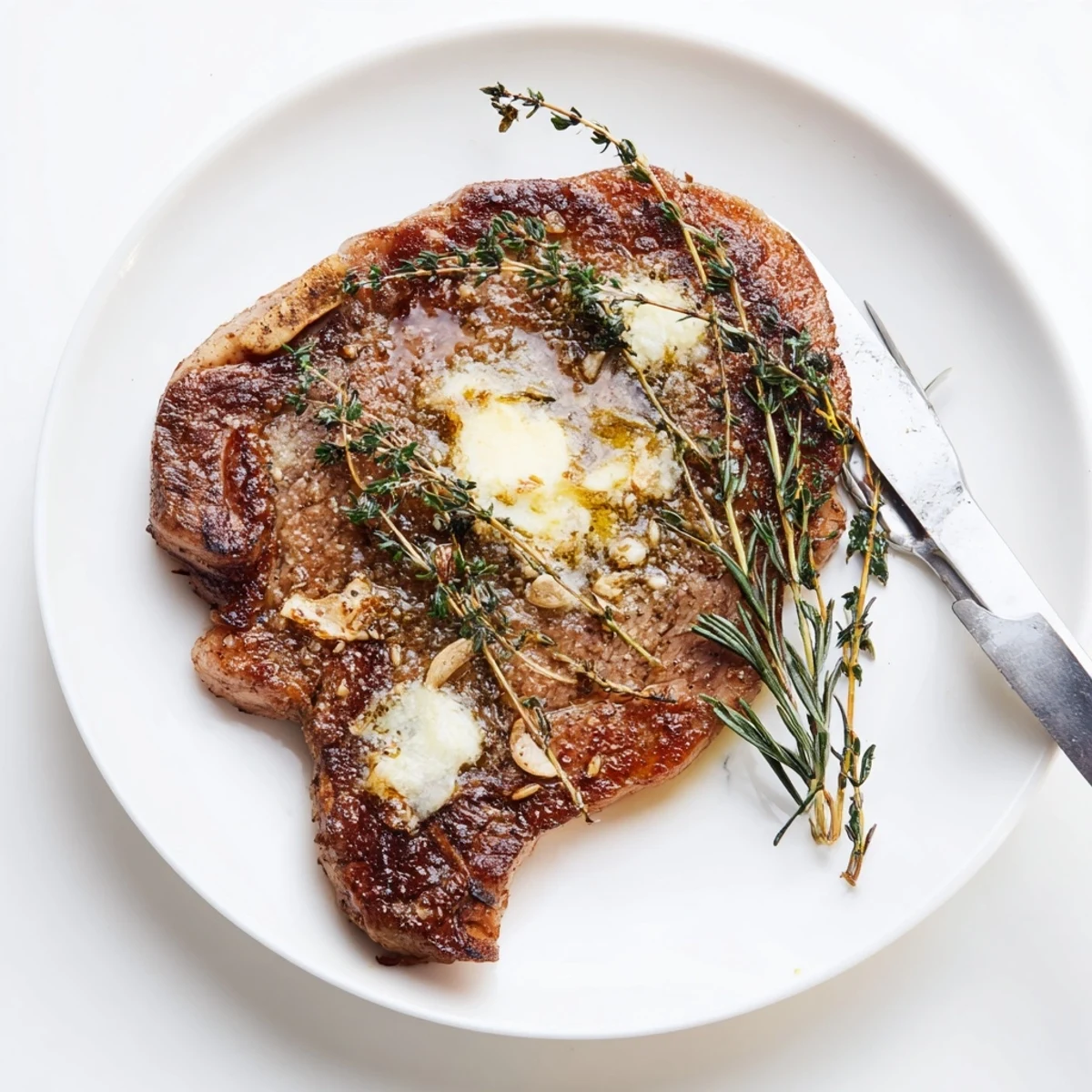
Save Good steak nights become the memories that stick. Hope this recipe brings some of those moments to your table too.
Common Recipe Questions
- → How do I get a good crust on my ribeye?
-
Pat the steak completely dry before seasoning, use a cast-iron skillet heated until very hot, and avoid moving the steak during the initial sear. This allows proper Maillard reaction for that golden-brown caramelized crust.
- → What's the ideal doneness temperature for ribeye?
-
For medium-rare, aim for 130-135°F internal temperature. The steak will continue cooking slightly while resting. Rare is 125-130°F, medium is 135-145°F. Use an instant-read thermometer for accuracy.
- → Why is resting the steak important?
-
Resting allows juices to redistribute throughout the meat. Cutting immediately causes juices to escape, leaving the steak dry. A 5-minute rest ensures maximum tenderness and moisture retention.
- → Can I use other cuts of beef?
-
This technique works beautifully with other premium cuts like New York strip, filet mignon, or porterhouse. Adjust cooking times based on thickness—about 3-4 minutes per side for 1-inch steaks.
- → What if I don't have fresh herbs?
-
Dried herbs can substitute in a pinch, though fresh thyme and rosemary provide superior flavor. Use about 1 teaspoon dried herbs per sprig of fresh. Alternatively, skip herbs and focus on the garlic butter.
- → How do I know when the butter is ready for basting?
-
Once the butter melts and begins to foam slightly, start basting. Tilt the pan and spoon the melted butter continuously over the steaks. The butter should be fragrant and bubbling but not browned or burned.