
 Save
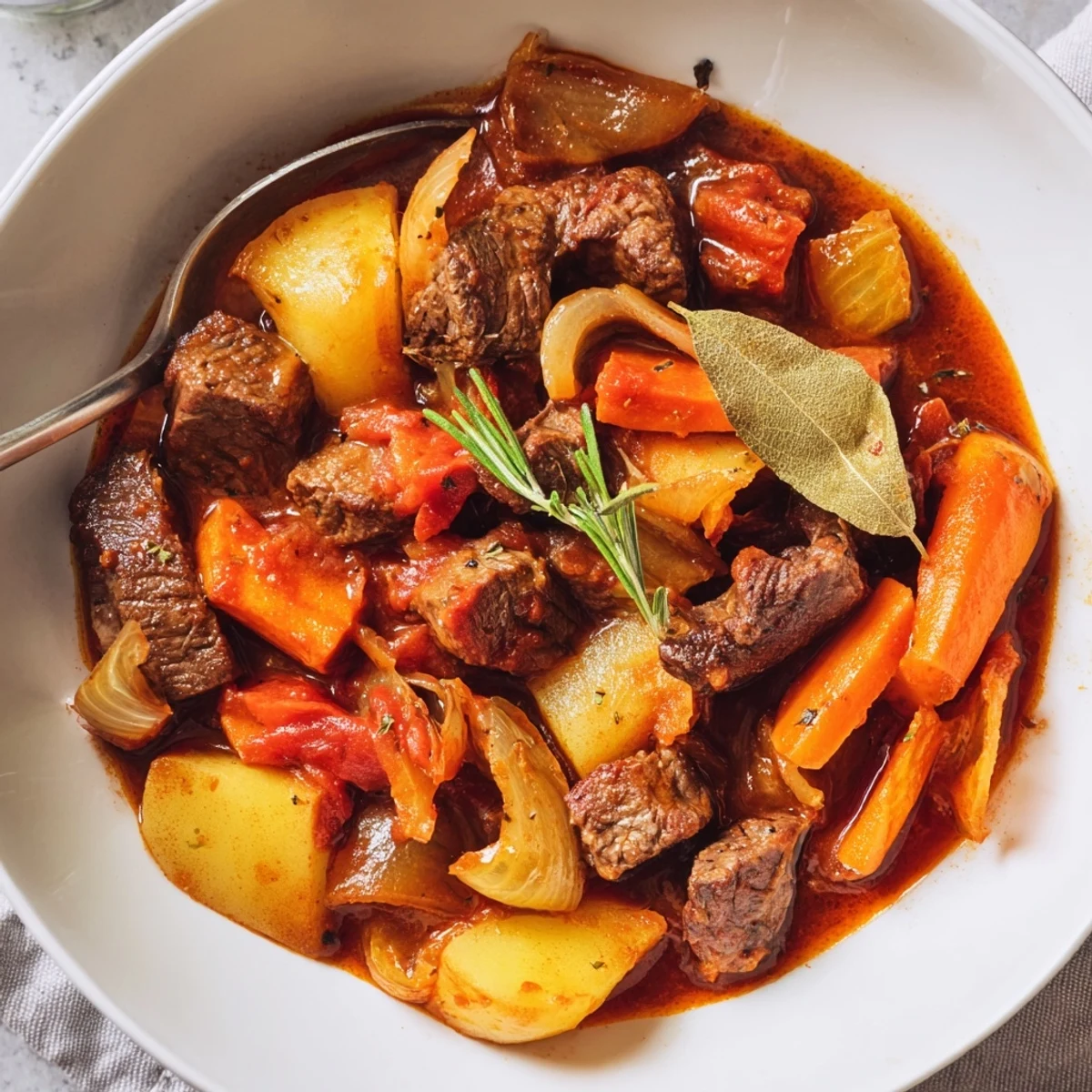
Save Brown seasoned beef in a heavy-bottomed pot, then sauté onion, carrots and celery until softened. Stir in garlic and tomato paste, deglaze with dry red wine and reduce. Return beef, add diced tomatoes, beef broth and herbs, then simmer covered for 1.5 hours. Add potatoes and cook uncovered 30 minutes until tender. Remove herb stems and serve with polenta or crusty bread; flavors deepen if rested overnight.
The rain was hammering against the kitchen window and my grandmother stood at the stove, stirring a pot that smelled like every good thing Italy ever invented. She never measured anything, just tossed and tasted, and somehow every spoonful was perfect. Spezzatino di manzo was her cold weather answer to everything, from a bad grade at school to a stubborn cough. I still make it when the world feels a little too loud.
One November evening my cousin Luca walked in freezing from the train station and the first words out of his mouth were not hello but is that spezzatino. We sat around the table for two hours, tearing bread into the sauce, arguing about football, and laughing until our sides hurt. That is the real magic of this stew. It pulls people to the table and keeps them there.
Ingredients
- 800 g beef chuck, cut into 3 cm cubes: Chuck is the only cut that matters here because the marbling melts into the sauce and makes everything silky.
- 2 medium carrots, peeled and sliced: Cut them on the thicker side so they hold their shape through the long simmer.
- 2 celery stalks, chopped: These disappear into the broth and create a subtle sweetness you cannot get any other way.
- 1 large yellow onion, finely chopped: The foundation of every good Italian soffritto, so do not skimp on size.
- 2 medium potatoes, peeled and cubed: Add them later in the cooking process so they do not turn to mush.
- 2 cloves garlic, minced: Fresh garlic only, and add it after the onions so it never burns.
- 400 g canned diced tomatoes: San Marzano if you can find them because the sweetness makes a real difference.
- 500 ml beef broth: Low sodium is best so you can control the salt level yourself.
- 120 ml dry red wine: Something you would drink, never cooking wine, because the flavor concentrates.
- 2 tbsp tomato paste: This is the secret weapon that deepens color and adds umami without anyone knowing why.
- 2 tbsp extra virgin olive oil: A good fruity oil makes the browning richer.
- 2 bay leaves: Remember to fish them out before serving because nobody wants to bite into one.
- 3 to 4 sprigs fresh thyme: Fresh herbs transform the broth into something aromatic and complex.
- 1 sprig fresh rosemary: Strip the needles off before serving or tie the sprig with kitchen twine for easy removal.
- Salt and freshly ground black pepper: Season in layers throughout cooking, not all at once.
Instructions
- Prep the beef:
- Pat the cubes completely dry with paper towels and season generously with salt and pepper. Wet meat steams instead of browning, and that golden crust is where all the deep flavor begins.
- Build the crust:
- Heat olive oil in a heavy Dutch oven over medium high heat and brown the beef in batches without crowding the pot. Each piece should have a dark caramelized edge, and do not rush this step because it takes patience but changes everything.
- Start the soffritto:
- In the same pot with all those beautiful beef drippings, add onions, carrots, and celery with a pinch of salt. Let them soften for about five minutes until fragrant, then stir in the garlic for one more minute.
- Add depth with paste and wine:
- Stir in the tomato paste and let it cook for two minutes until it darkens slightly. Pour in the wine and scrape up every brown bit from the bottom because that concentrated flavor is liquid gold.
- Bring it all together:
- Return the beef and any juices to the pot, add the diced tomatoes, broth, bay leaves, thyme, and rosemary. Stir gently, bring to a simmer, then cover and cook on low heat for one and a half hours.
- Finish with potatoes:
- Add the cubed potatoes, adjust salt and pepper, and cook uncovered for thirty more minutes. The sauce will thicken beautifully as the potatoes release their starches and everything melds together.
- Rest and serve:
- Remove the bay leaves and herb stems, then let the stew rest for five minutes before serving. Ladle into warm bowls over polenta or alongside crusty bread for soaking up every drop.
 Save
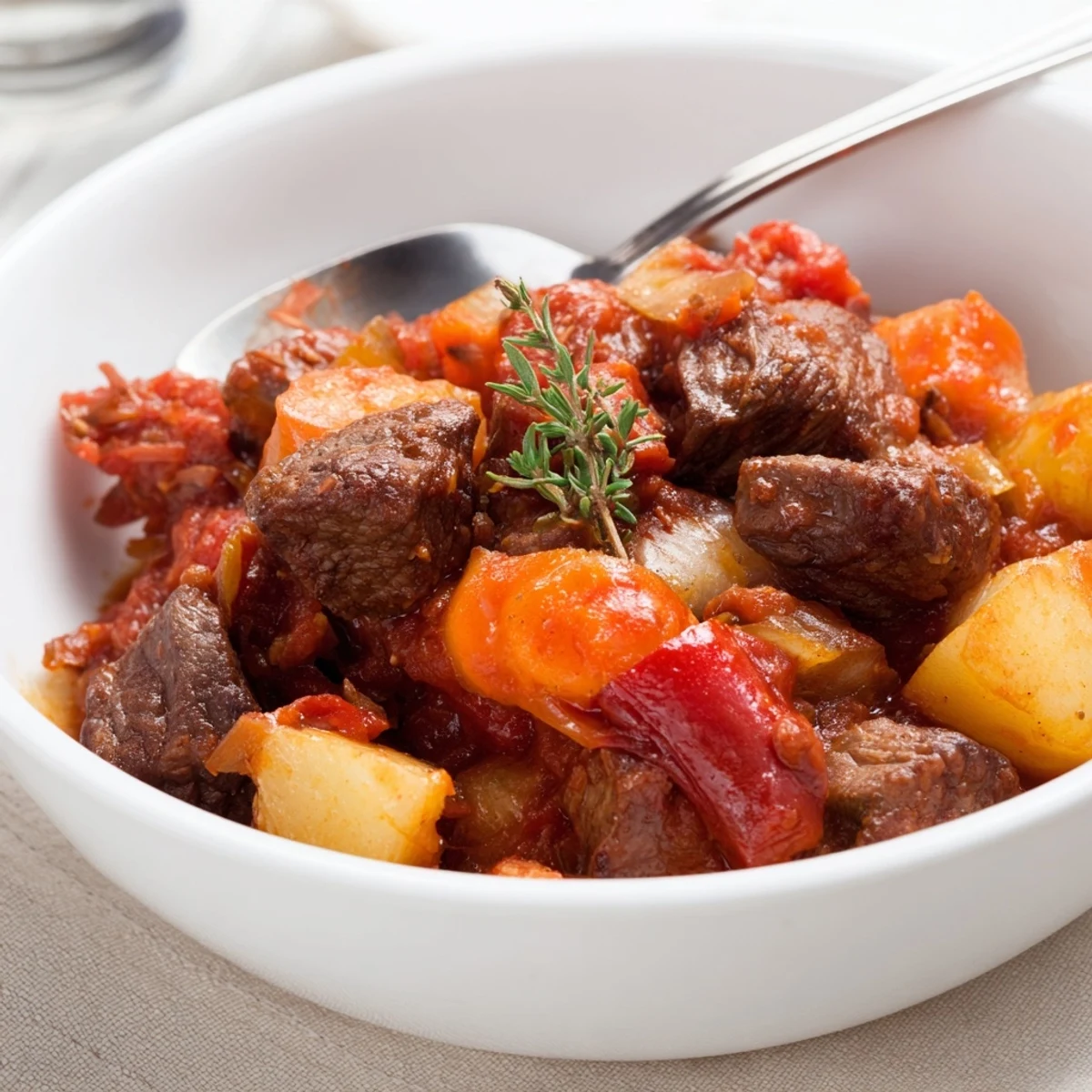
Save The first time I made this alone in my own tiny apartment I called my grandmother to ask if the wine was supposed to smell that strong while reducing. She laughed and said if it does not smell strong you used the wrong wine. I have never forgotten that.
What to Serve Alongside
Soft polenta is the classic match in northern Italy, and the creamy texture against the rich stew is something you will crave forever once you try it. Mashed potatoes work beautifully too, or a thick slice of toasted rustic bread rubbed with garlic. Pick one and commit to it because the soaking vehicle is almost as important as the stew itself.
Choosing the Right Wine
Use a dry Italian red like Chianti, Barbera, or Sangiovese for the pot and pour yourself a glass while it simmers. The wine should have enough acidity to cut through the richness of the beef but not so much tannin that it turns bitter during the long cook. Whatever you cook with should be something you enjoy drinking because the flavor only concentrates.
Making It Your Own
This recipe is deeply forgiving and loves improvisation, which is exactly how Italian home cooking works. Throw in a handful of peas or sliced mushrooms during the last fifteen minutes for extra color and earthiness. Omit the potatoes entirely if you want a lighter version and serve it over something starchy instead.
- A pinch of nutmeg in the broth sounds strange but adds a warmth that surprises everyone.
- If the sauce is too thin at the end, mash a few potato pieces against the side of the pot to thicken it naturally.
- Always taste and adjust salt at the very end because the broth reduces and concentrates as it cooks.
 Save
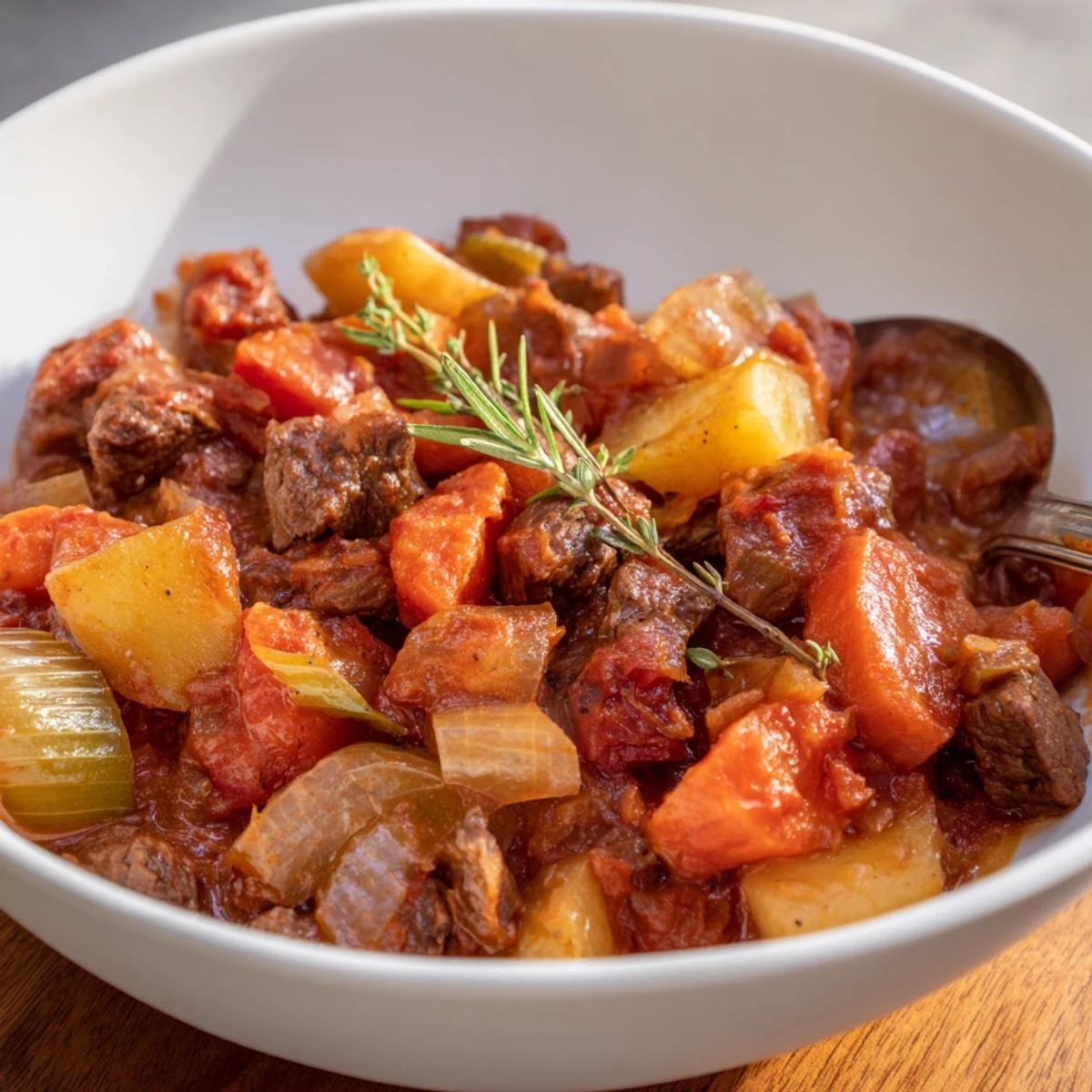
Save Some dishes feed the body and some feed the people around your table, and this one does both without asking for anything complicated in return. Make it once and it will belong to your kitchen forever.
Common Recipe Questions
- → Which cut of beef works best?
-
Use well-marbled, tougher cuts like chuck or braising beef. They break down during long, slow cooking and yield tender, flavorful meat.
- → How can I thicken the sauce?
-
Reduce uncovered until it concentrates, mash a few cooked potatoes into the sauce, or whisk a small cornflour slurry and stir in near the end to avoid cloudiness.
- → Can I skip the wine?
-
Yes. Use extra beef broth and a splash of balsamic or a teaspoon of red wine vinegar to add acidity and depth if you prefer no alcohol.
- → How to reheat and store leftovers?
-
Cool quickly, refrigerate up to 3 days or freeze portions. Reheat gently on the stove over low heat, adding a splash of broth if needed to loosen the sauce.
- → What side dishes pair well?
-
Polenta, mashed potatoes or crusty rustic bread are classic pairings. A simple sautéed green or braised greens balance the rich flavors.
- → How do I know when the meat is done?
-
Check for fork-tender meat that easily pulls apart. The sauce should be glossy and reduced, and potatoes fully cooked through after the final simmer.